


Every chauffeur company publishes a fleet page organised by marque, which is a perfectly reasonable way to display cars and a poor way to choose one. The badge on the bonnet is the last consideration, not the first. What actually determines whether a journey is comfortable is far more mundane: how many people, how many cases, how many hours, what kind of roads, and whether the car is meant to be noticed or not.
What follows is the order we work through when a client asks which vehicle to take. It is deliberately unromantic, because the romance only works if the practicalities are right. A Rolls-Royce with somebody's suitcase on their knees is not a luxury experience; a well-chosen MPV with room to spare very much is.
Start with luggage, not with the badge
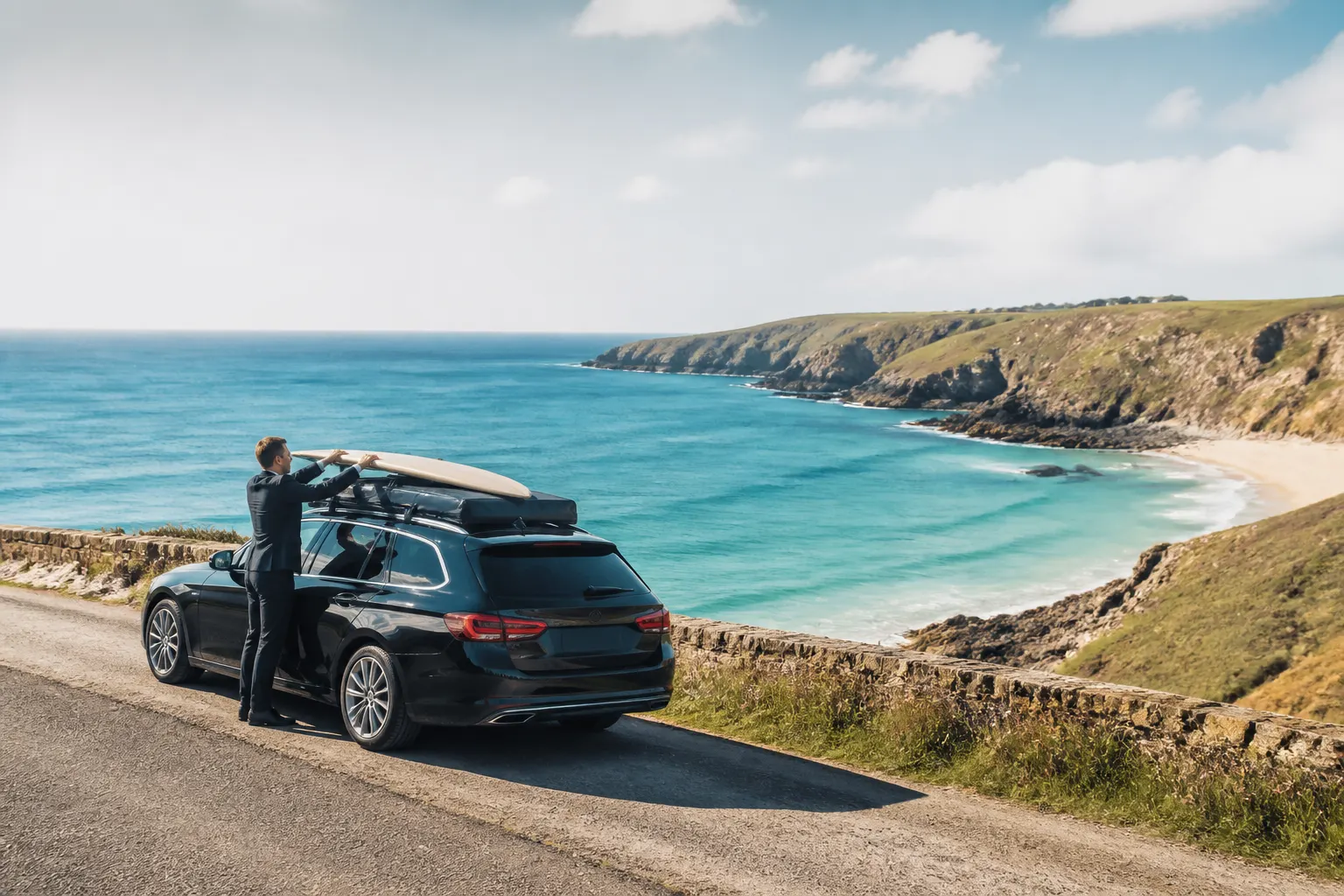
Luggage is the single most common cause of a difficult start to a journey, and it is entirely avoidable. As a working guide, a full-size luxury saloon takes two large suitcases and two or three cabin bags. A luxury MPV takes five or six large cases with room for cabin bags on top. A luxury SUV sits between the two and offers a higher, easier loading height.
Count honestly, and count the awkward items. Golf clubs, ski bags, a cello, a folded pushchair, a boxed painting, a wheelchair — none of these are problems when they are declared and all of them are problems when they appear at the kerb. Tell us the number of large cases, the number of cabin bags and anything unusual, and the vehicle recommendation follows without discussion.
One further point worth making plainly: four passengers travelling for a fortnight almost never fit in a saloon, and the right answer is a single MPV rather than two saloons. It keeps the party together, it is more comfortable for everybody, it is easier to manage at both ends of the journey, and in almost every respect it is the more sensible arrangement.
Passengers: three in a saloon is not three in comfort
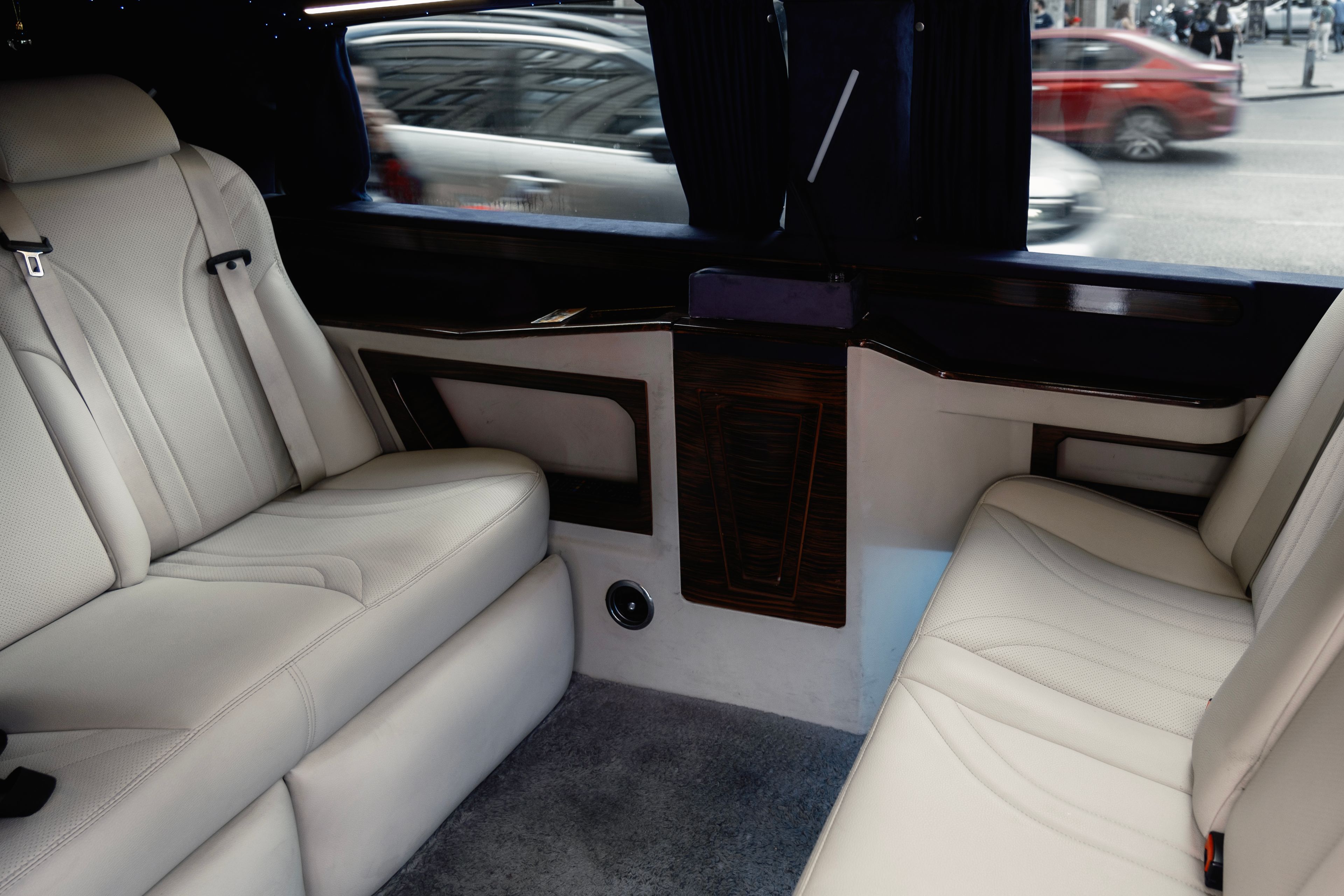
Most luxury saloons are homologated for three rear passengers and designed around two. The centre seat has a transmission tunnel beneath it, less shoulder room and none of the reclining or massaging functions that make the outer seats worth having. For a ten-minute hop it is fine. For an hour on a motorway it is a compromise the middle passenger will remember.
Three adults travelling any distance are better served by an MPV, where every seat is a proper individual armchair with its own armrests and enough space to open a laptop. The difference in the experience is far larger than the difference in the specification suggests, which is why we recommend the V-Class considerably more often than clients expect us to when they first enquire.
Above six passengers you are into multiple vehicles, and the sensible approach is usually two matched cars travelling together rather than one very large one. For weddings and events in particular, two saloons place far more gracefully at a venue entrance than a single minibus does, and the party arrives looking like a group of guests rather than like a visiting delegation.
Distance changes everything
For journeys under about forty minutes, almost any well-specified car will do the job, and an executive saloon is a genuinely good answer — quiet, easy to place in city streets, and entirely comfortable for one or two passengers. It is the sensible default for airport runs, for moving around a city, and for anybody who would rather not arrive in something conspicuous.
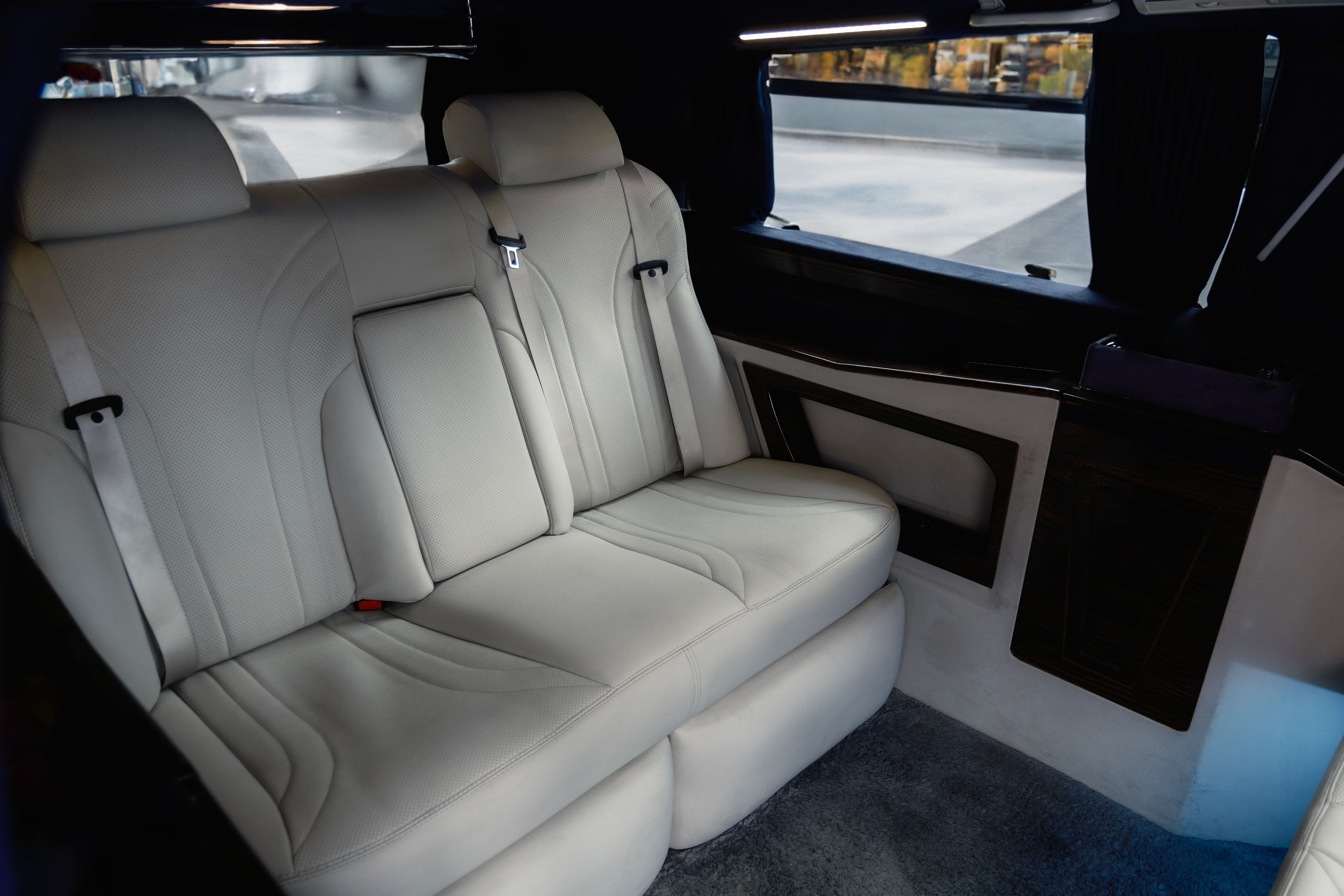
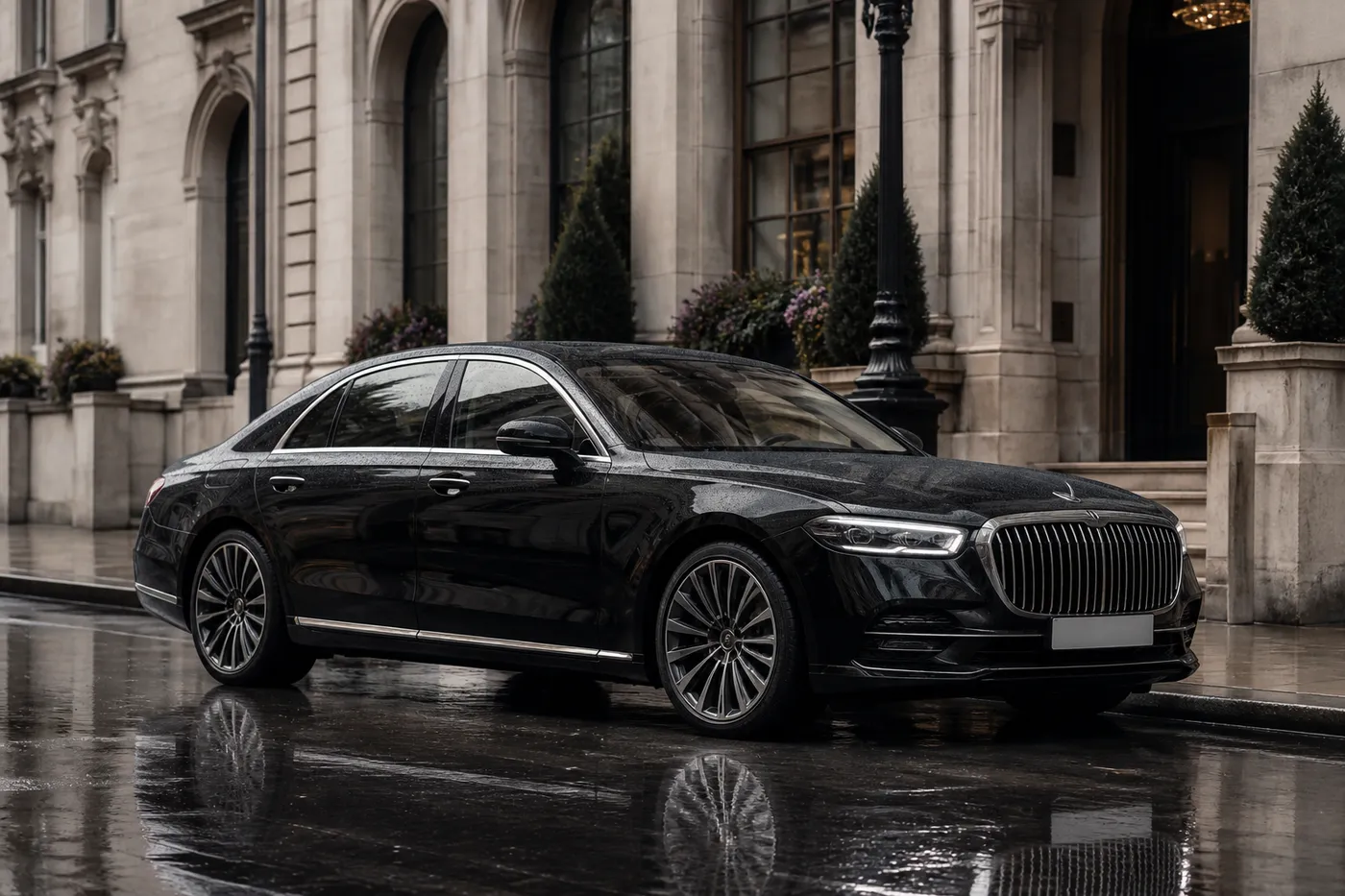
Once you pass an hour, the flagship saloons start to justify themselves. Reclining rear seats, ventilated and massaging cushions, four-zone climate control and a second layer of acoustic glazing change what four hours on a motorway feels like. This is not marketing: you get out of a long-wheelbase flagship after two hundred miles noticeably fresher than you get out of anything smaller.
For journeys of three hours and upwards, or for a full day with several hours seated, it is worth going a step further again. The extended-wheelbase prestige cars exist for exactly this, and the rear compartment stops being a seat and starts being a small room. If you intend to work, or to sleep, the difference is the whole point.
Roads, weather and the case for an SUV
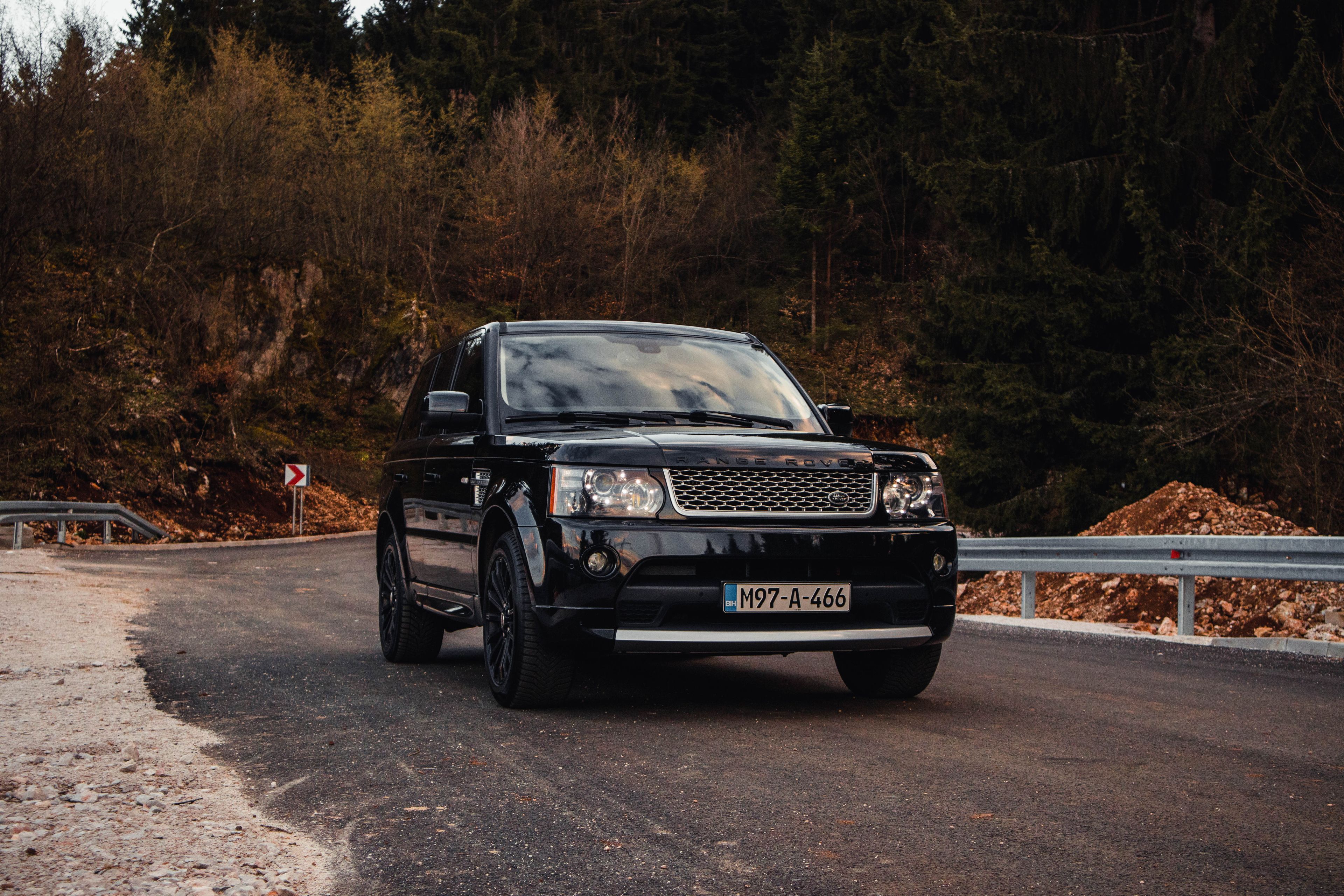
Where you are going matters as much as how far. Country house hotels, rural weddings, Cotswold lanes, Highland passes and Welsh single-track roads all favour a higher, all-wheel-drive vehicle. Ride height copes with unmade drives and speed humps. Traction copes with wet gravel and winter roads. Seating height lets rear passengers see over walls and hedges, which on a touring day is not a small thing.
Between November and March this stops being a preference and becomes a recommendation. A Range Rover will reach a country house at the end of a long, rutted, waterlogged drive without anybody having to think about it. A low-slung saloon may well manage too, but it will be a more anxious arrival and the underside of the car will not thank anyone.
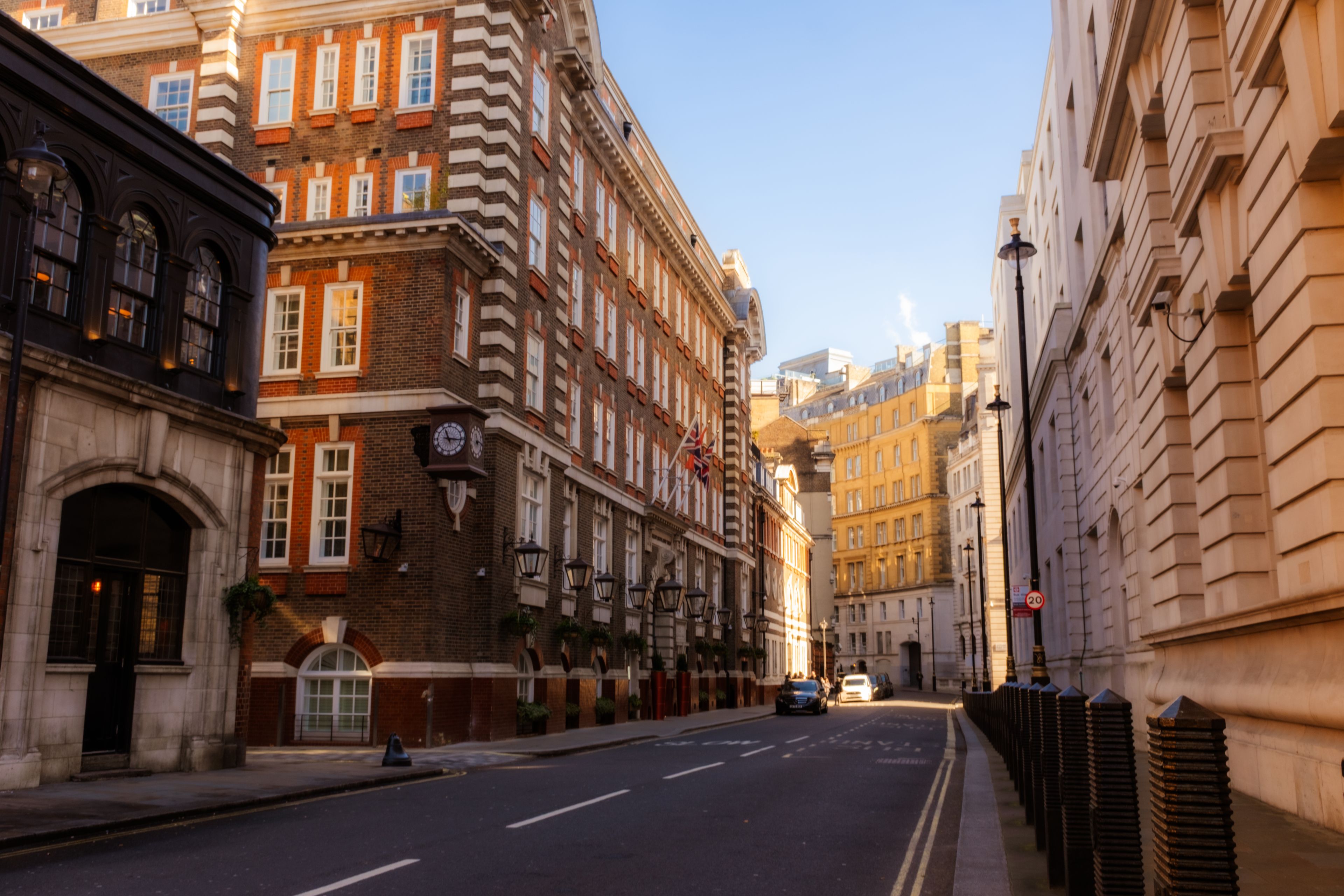
In the city the calculation reverses. SUVs are wider and taller, which matters in Mayfair mews, on hotel forecourts and in the multi-storey car parks beneath a great many London buildings, where clearance heights are unforgiving. For urban work a saloon is almost always the more elegant tool, and it will place at a kerb where a larger vehicle simply cannot.
When the car is part of the occasion
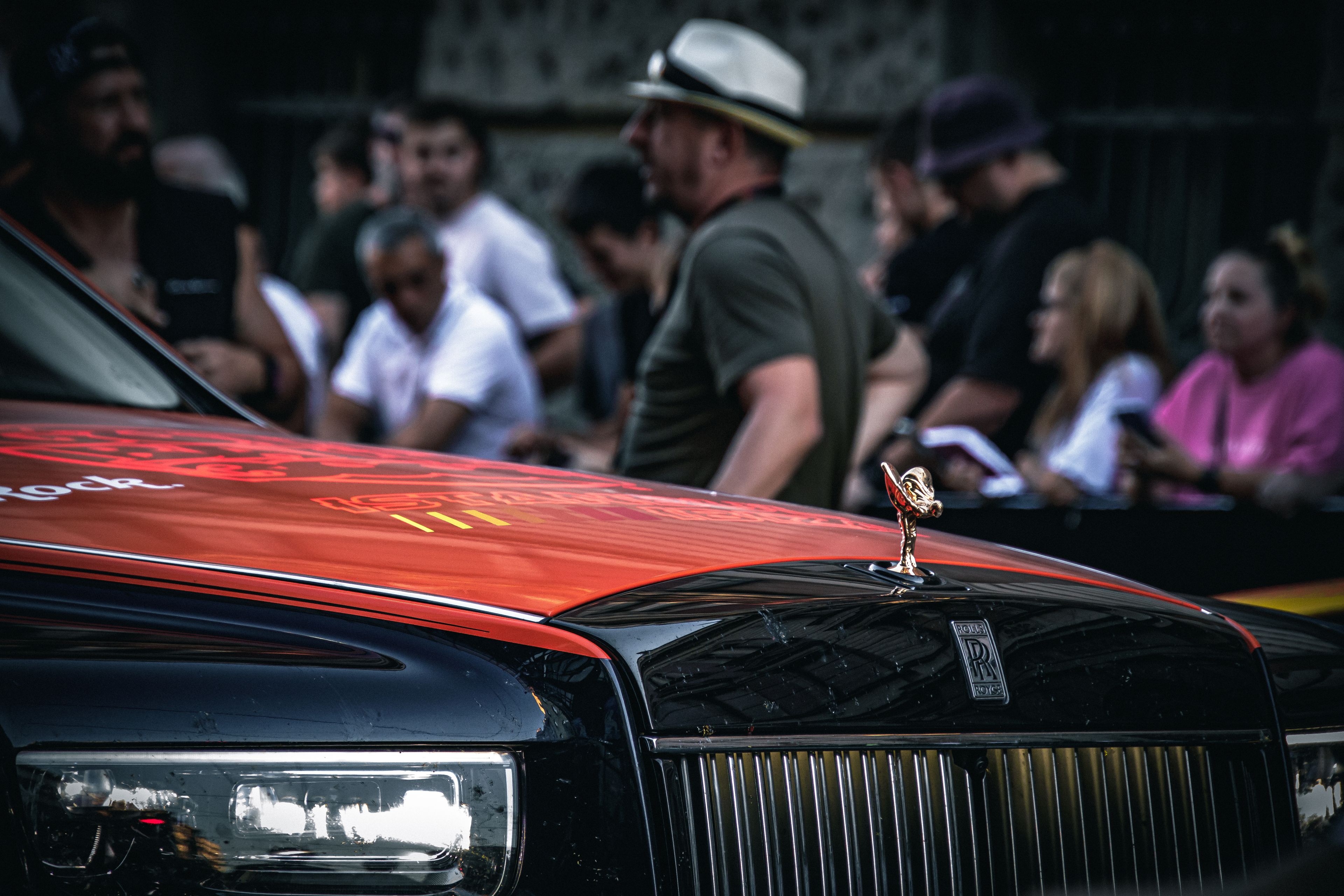
Some journeys are not about transport at all. A wedding, a landmark birthday, an anniversary, a red carpet arrival — here the car is in the photographs, and choosing it is a different exercise entirely. Rolls-Royce motor cars are what most people have in mind, and for good reason: the coach doors, the starlight headliner and the sheer presence do something that no amount of specification elsewhere replicates.
The practical considerations still apply, and on these days they matter more rather than less. A bride with a full gown needs the widest rear compartment and rear-hinged doors so that she steps out forwards rather than climbing out sideways. A group of six for a birthday dinner needs more than one car. A photographer needs somewhere the car can stand that is not a junction.
Availability is the real constraint. Ultra-luxury cars are a small part of the supply nationally and demand concentrates on summer Saturdays and the event season, so several months is not an unreasonable lead time for a specific vehicle on a specific date. If a particular car matters to you, talk to us early. Model, colour and specification are always subject to availability and booking confirmation.