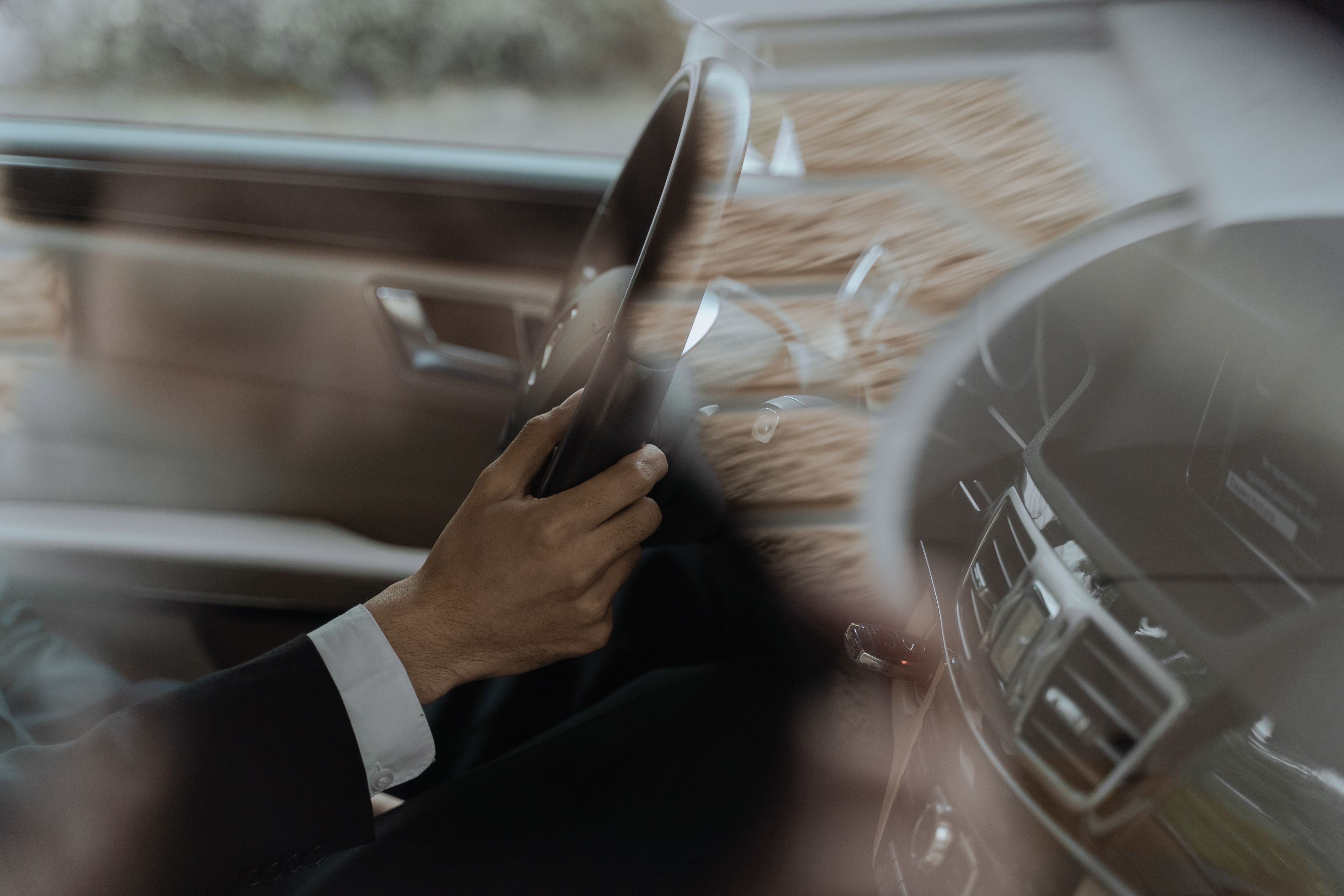




The two words are used interchangeably in ordinary speech and describe genuinely different jobs. Almost anybody can drive a large saloon competently. Far fewer will have checked the venue's set-down arrangements the night before, noticed that you are on a call and adjusted the climate rather than asking, and be holding the door before you have finished the sentence.
It is worth being precise about this, because the price difference between transport options is real and it deserves a real explanation. What follows sets out what a chauffeur actually does that a driver does not, why it is a trained discipline rather than a personality, and when the distinction genuinely matters to your day.
Anticipation is the whole distinction
A driver responds to instructions. A chauffeur has already dealt with the things you would otherwise have had to instruct. The route has been checked for closures. The building's entrance has been identified, including which of the four doors is actually in use. The car is facing the direction of departure rather than needing to turn in front of you. None of this is visible, which is exactly the point.
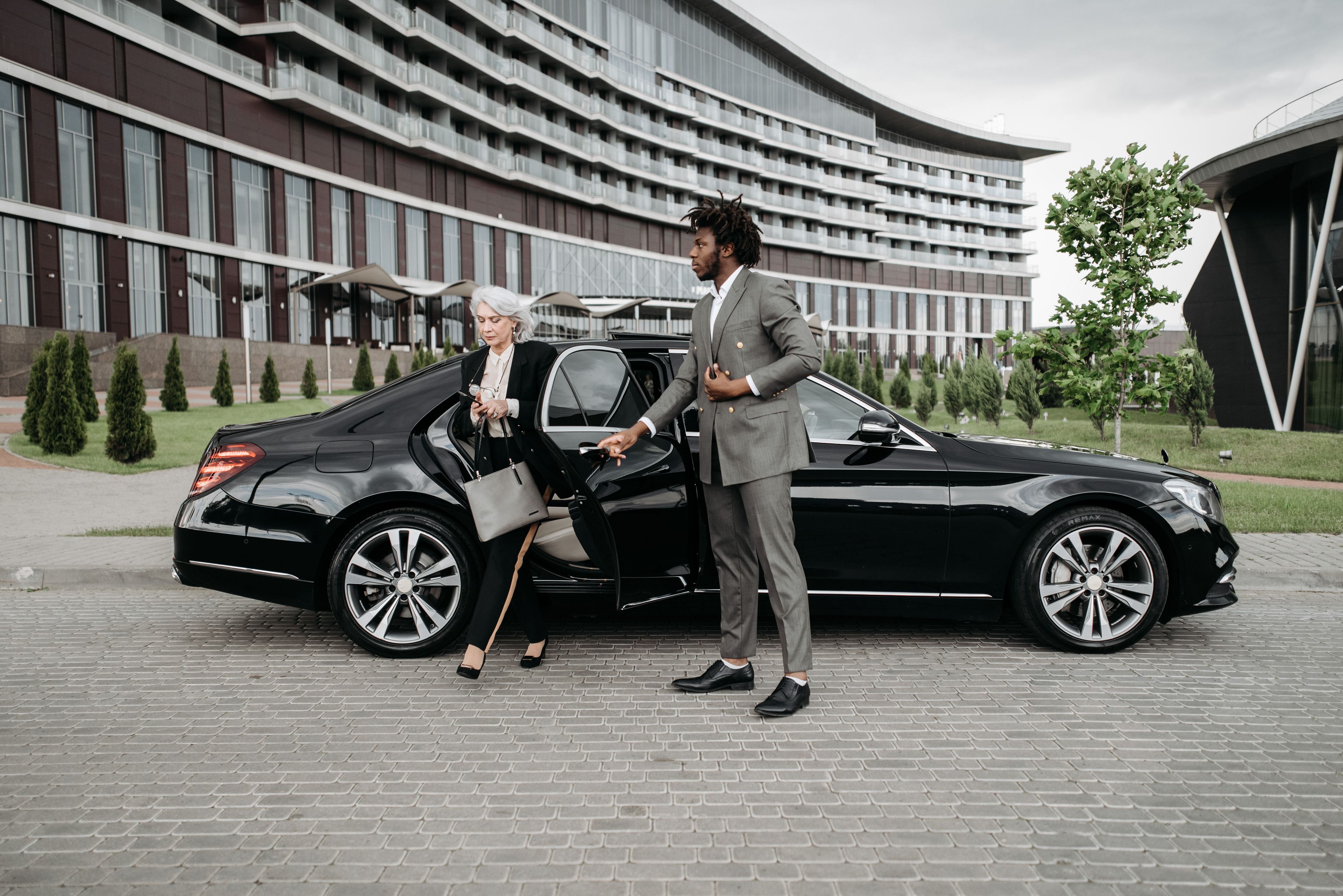
The same habit runs through the small moments. Luggage is taken rather than watched. The rear door opened is the one on the pavement side. A conversation is offered once and then dropped if you do not take it up. Individually these are trivial. Collectively they remove the friction that makes an ordinary day feel harder than it needed to be.
Discretion and manner
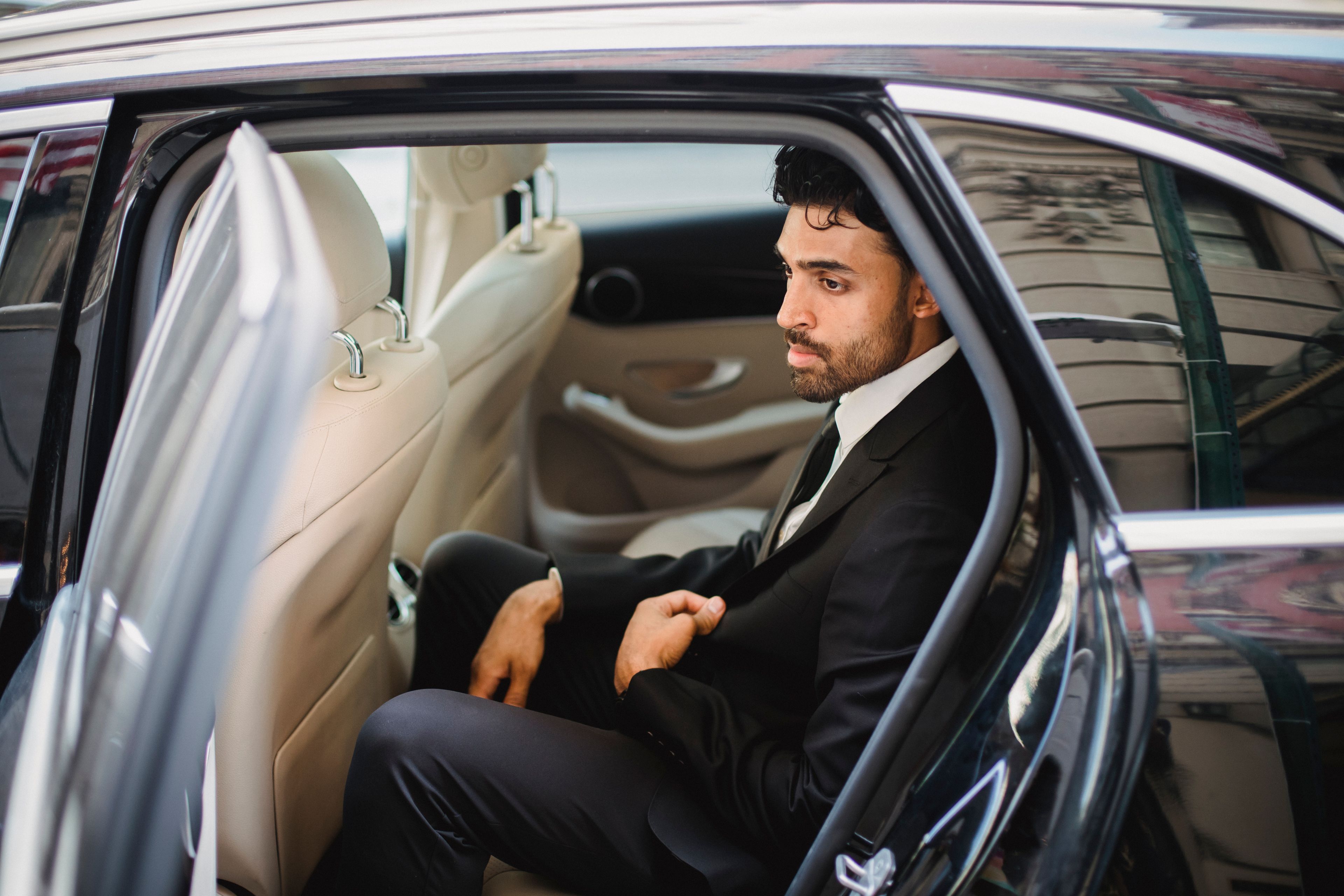
Professional chauffeurs are trained to be unobtrusive, which is harder than it sounds and quite different from being silent. It means reading within the first half-minute whether you want conversation, and behaving accordingly for the next three hours. It means stepping back after opening a door rather than hovering at your shoulder. It means the cabin being at your temperature, not theirs.
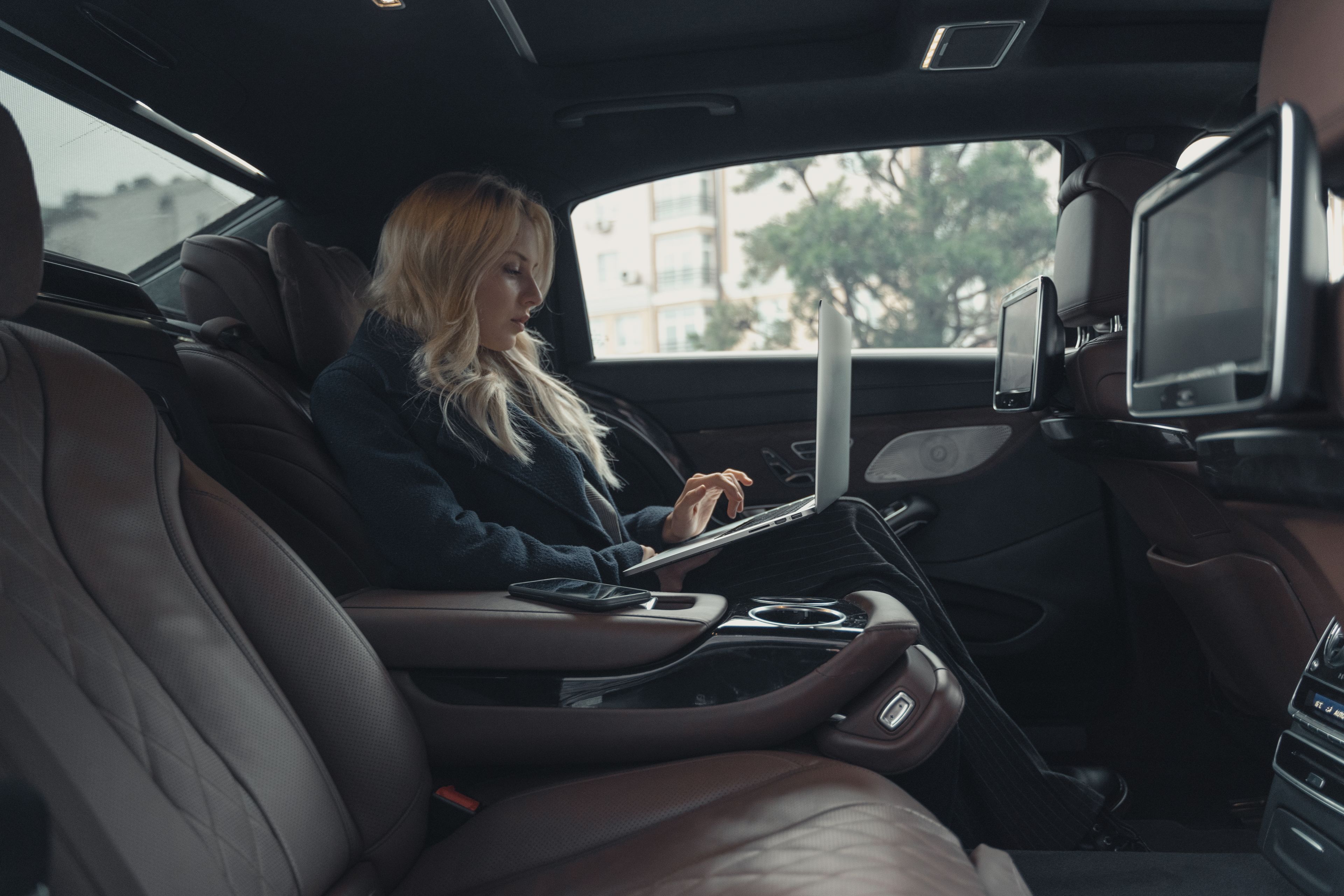
It also means that what happens in the car stays there. Calls taken in the back are not overheard in any sense that matters afterwards. Destinations are not repeated. Previous passengers are never mentioned, which is the clearest signal you will get about how your own booking will be discussed. For anybody working in the car, that discipline is the service.
- Route and access checked before the collection, not during it
- The car positioned and facing correctly before you appear
- Doors opened, luggage handled, umbrella brought round in rain
- Conversation offered once and then led entirely by you
- Nothing about the journey or the passenger discussed afterwards
Where the vehicle fits in
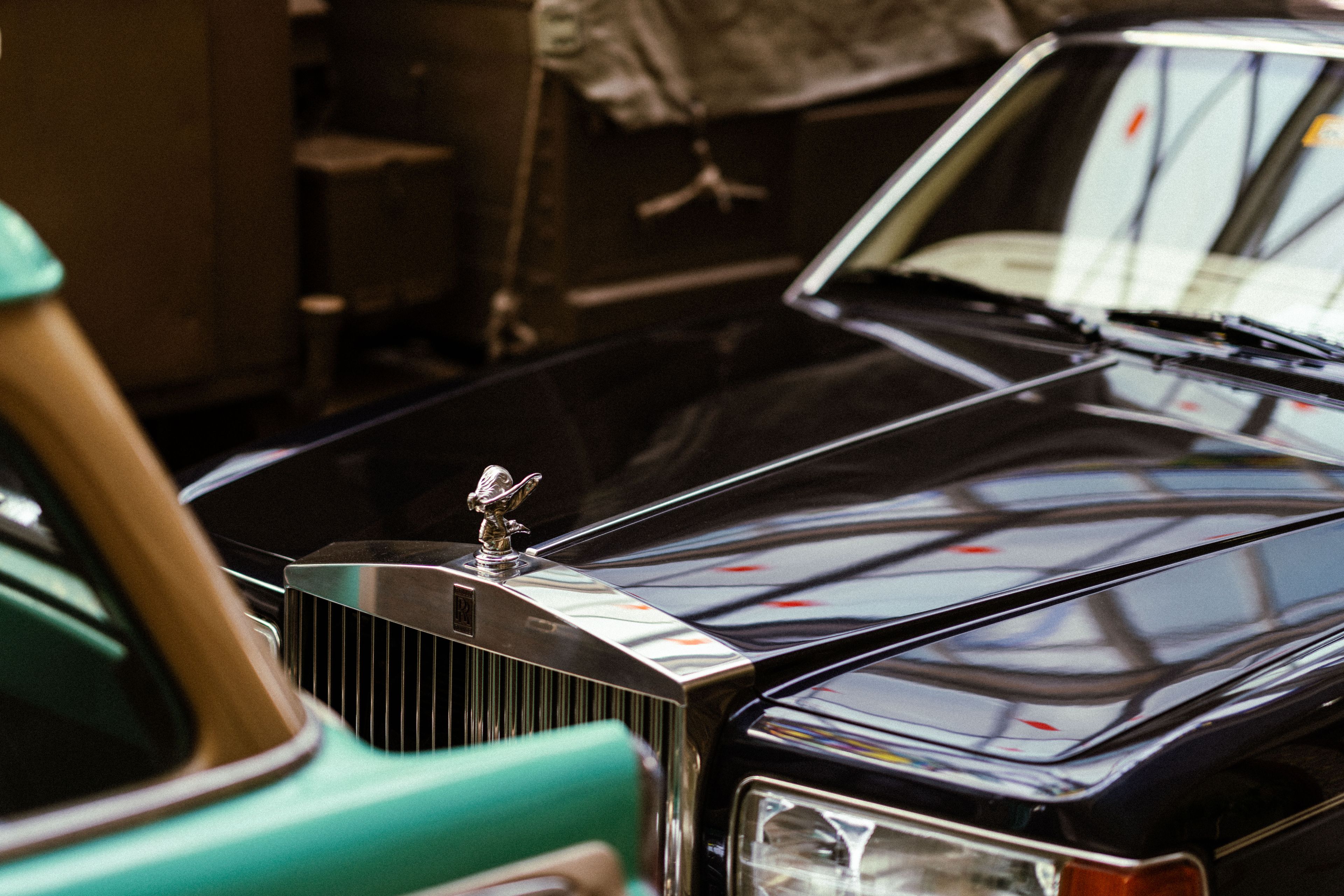
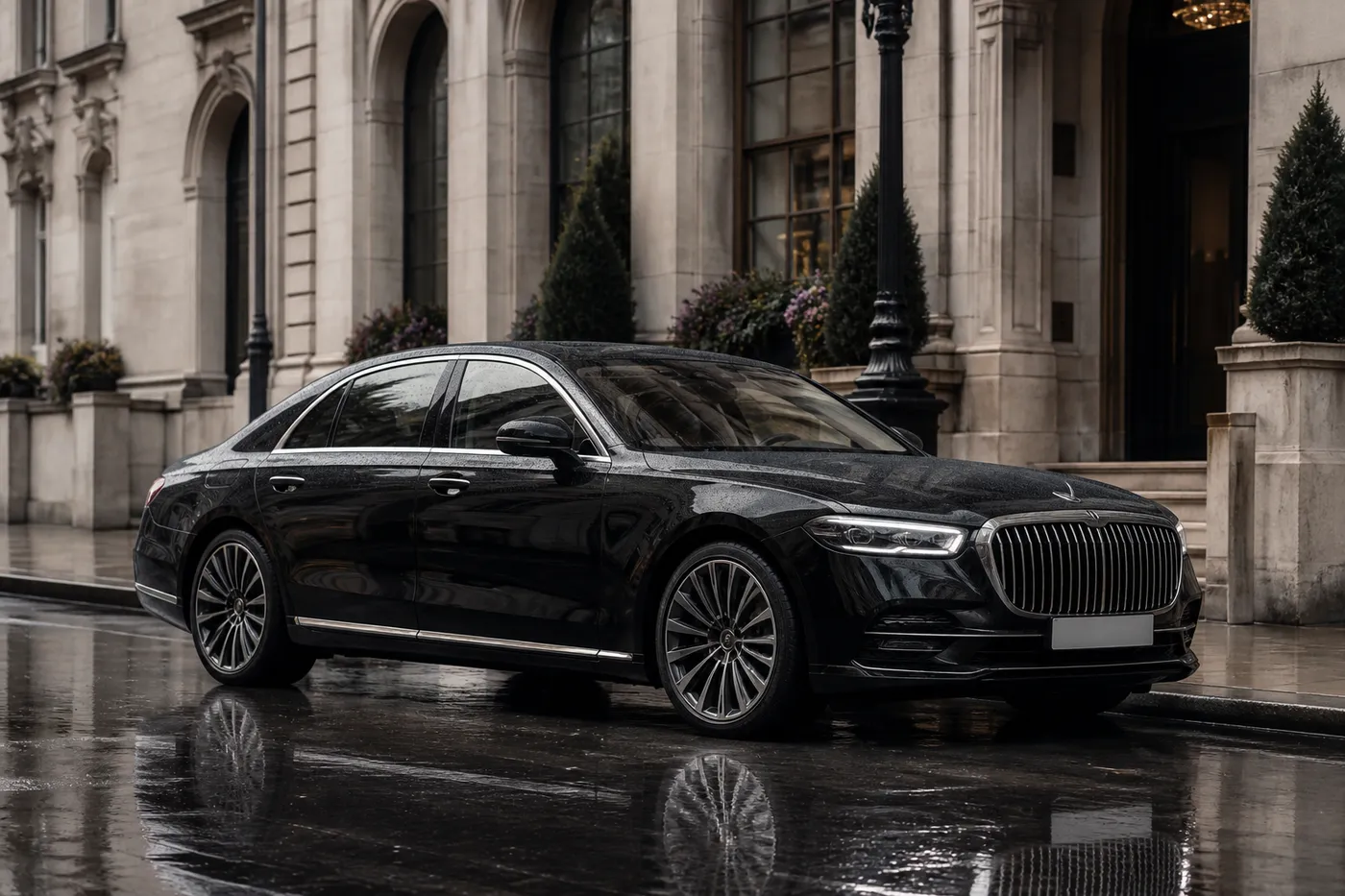
The car matters less than people assume, but it is not irrelevant, because it is presented as part of the same discipline. Cleaned before each journey rather than at the end of a shift. No branding on the outside. Water in the door, a cabin that smells of nothing in particular, and a boot that is empty rather than full of somebody else's equipment.
Where the distinction really shows is on the days that go wrong. A driver in unexpected traffic waits in it. A chauffeur has already been thinking about the alternative and knows what the diversion costs against what the delay costs. That judgement, applied quietly and without commentary, is what you are actually paying for rather than the badge on the bonnet.