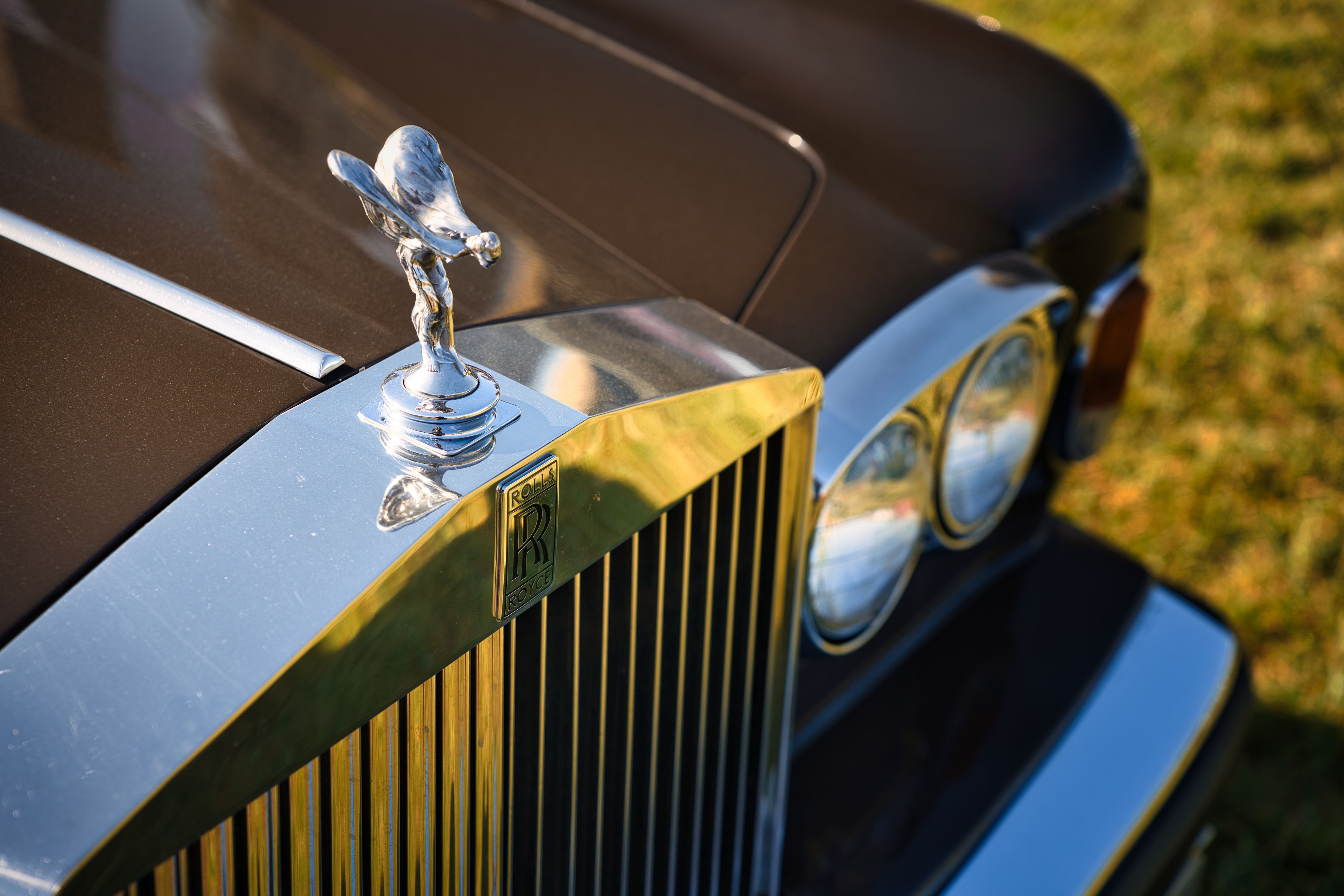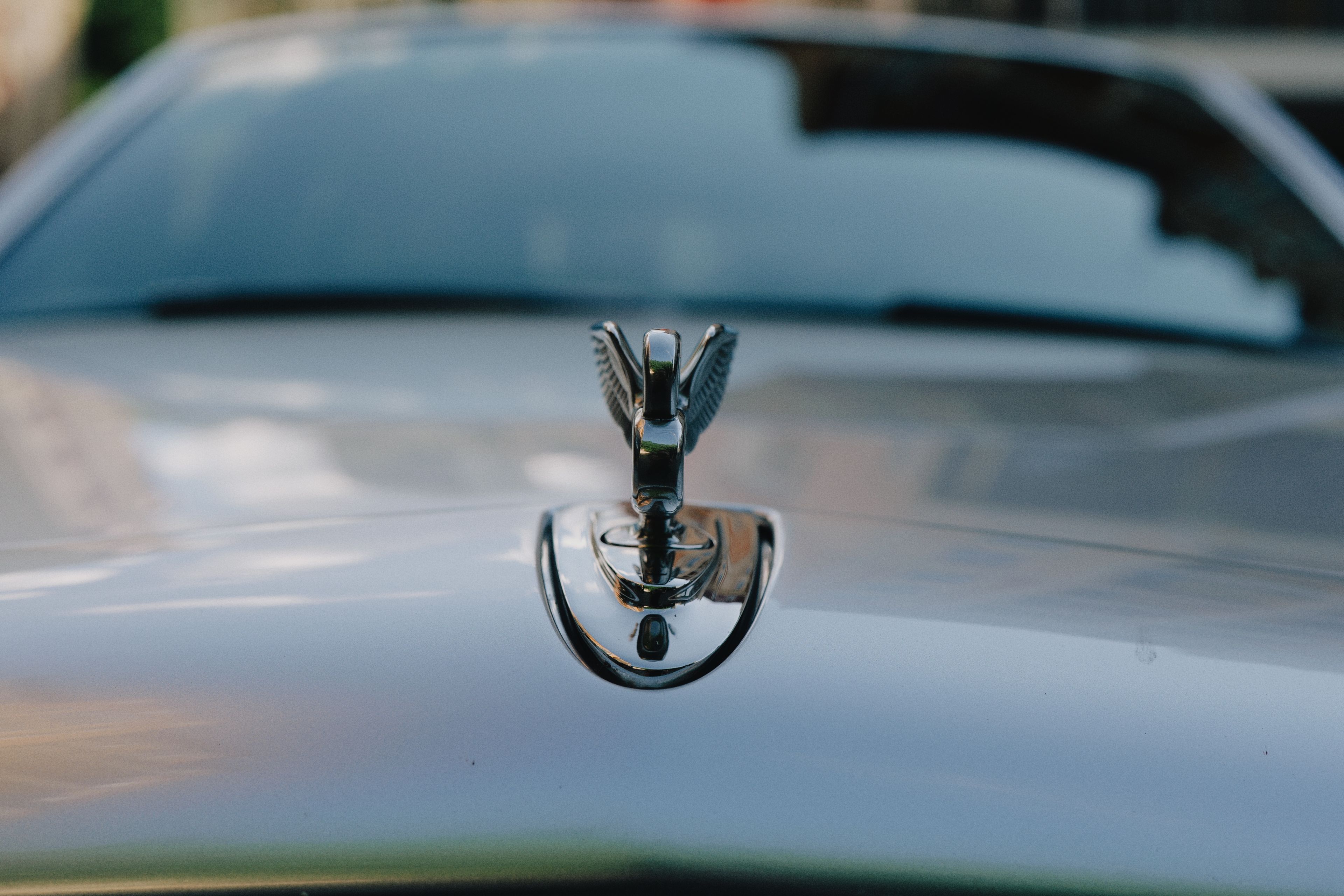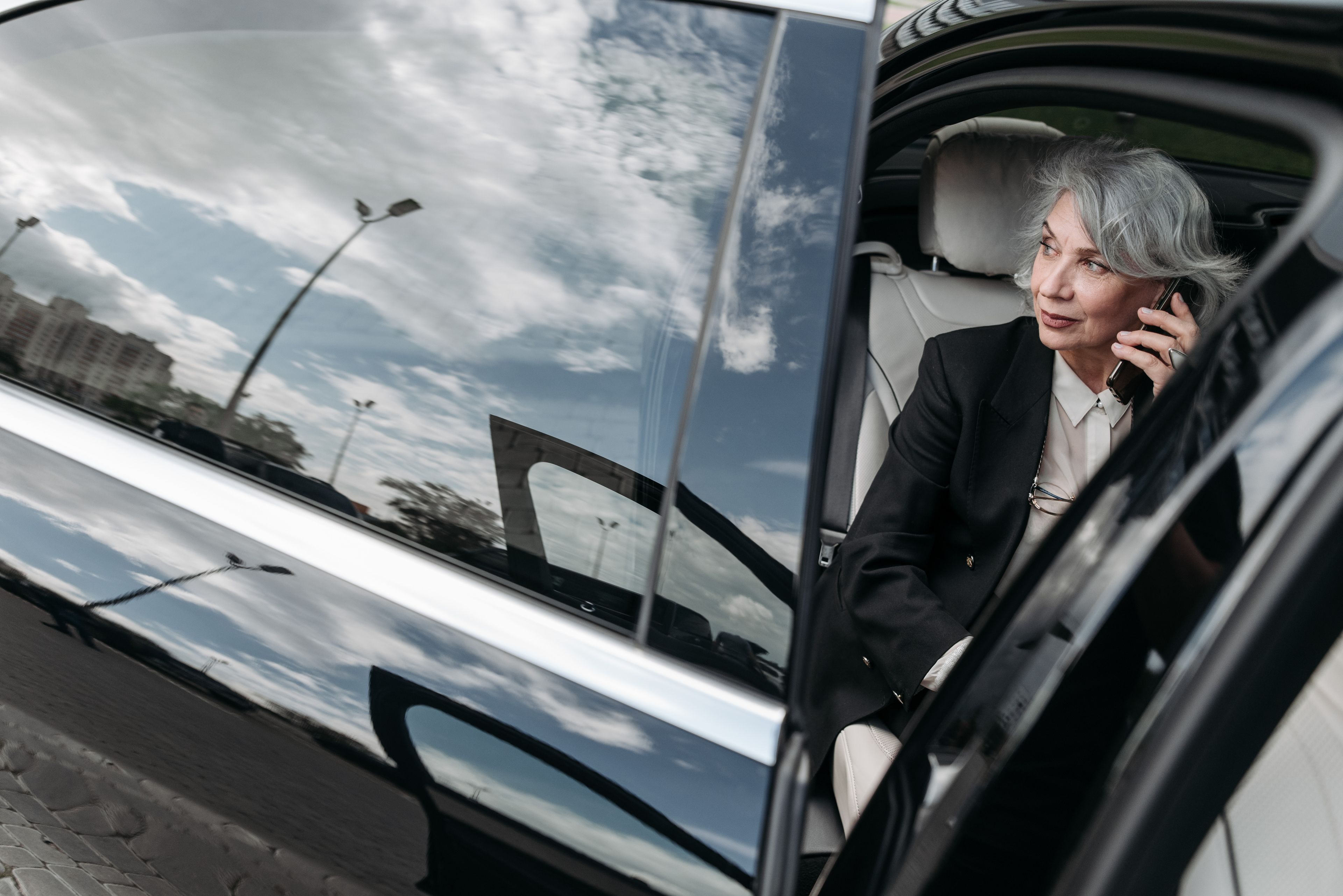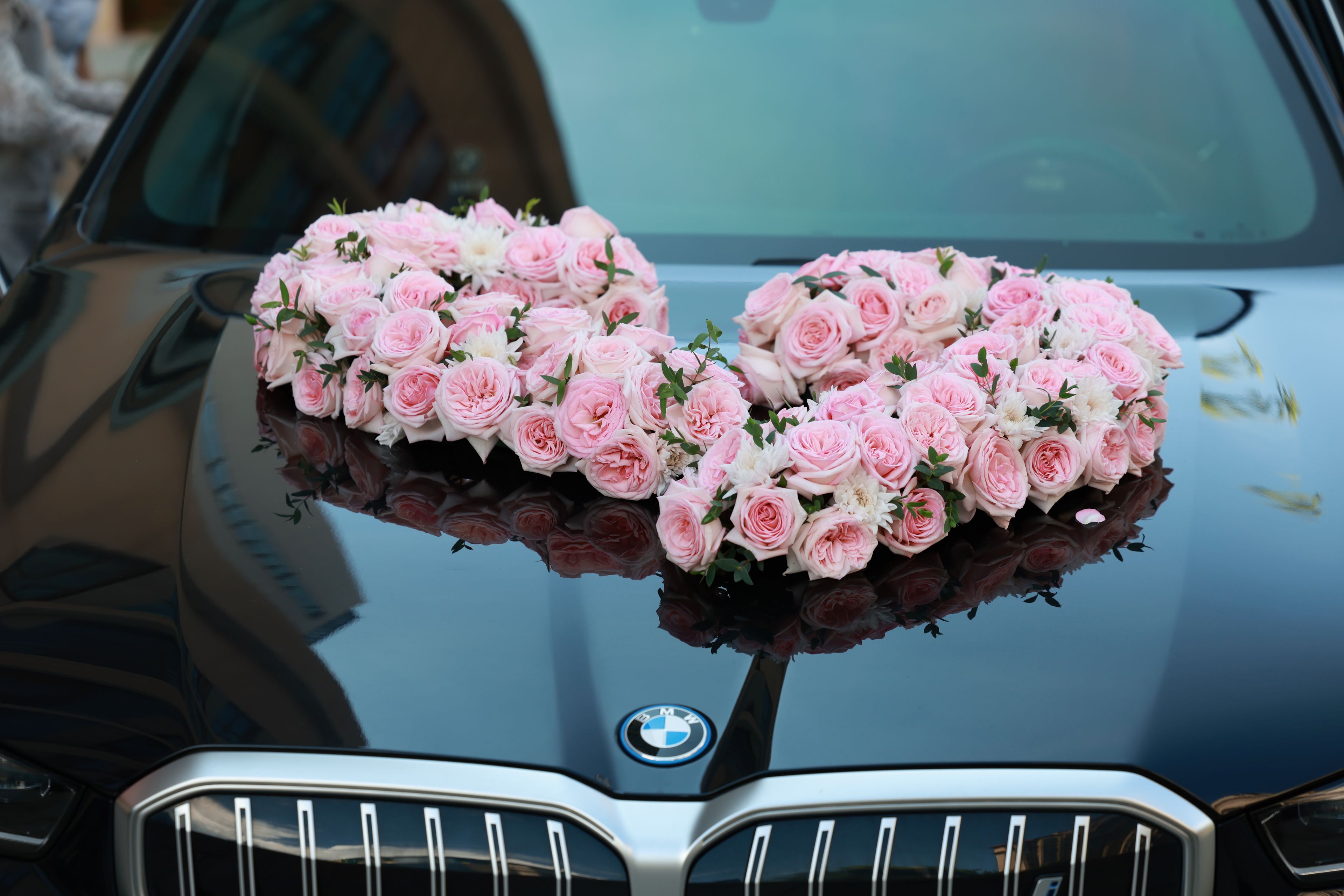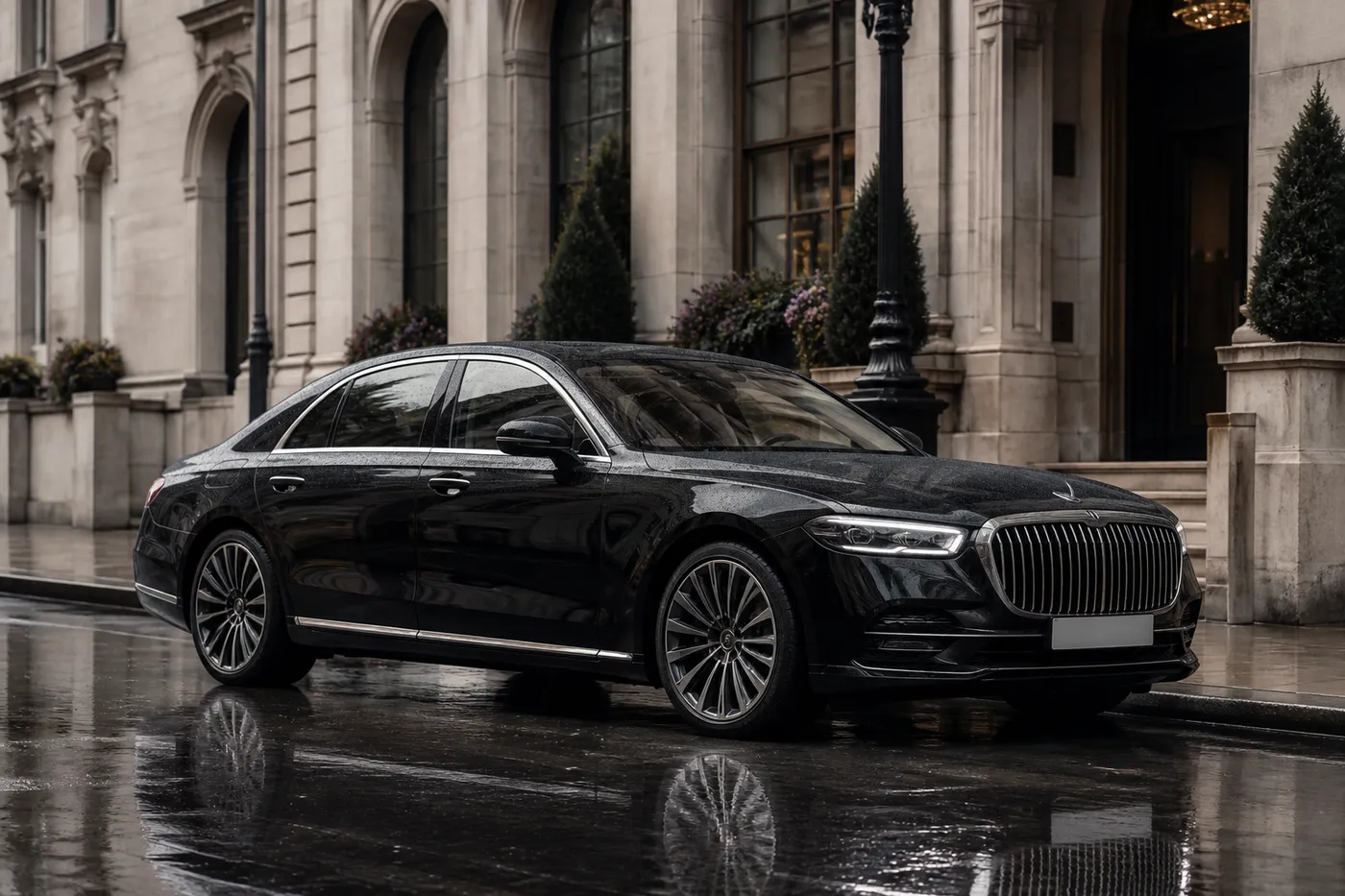


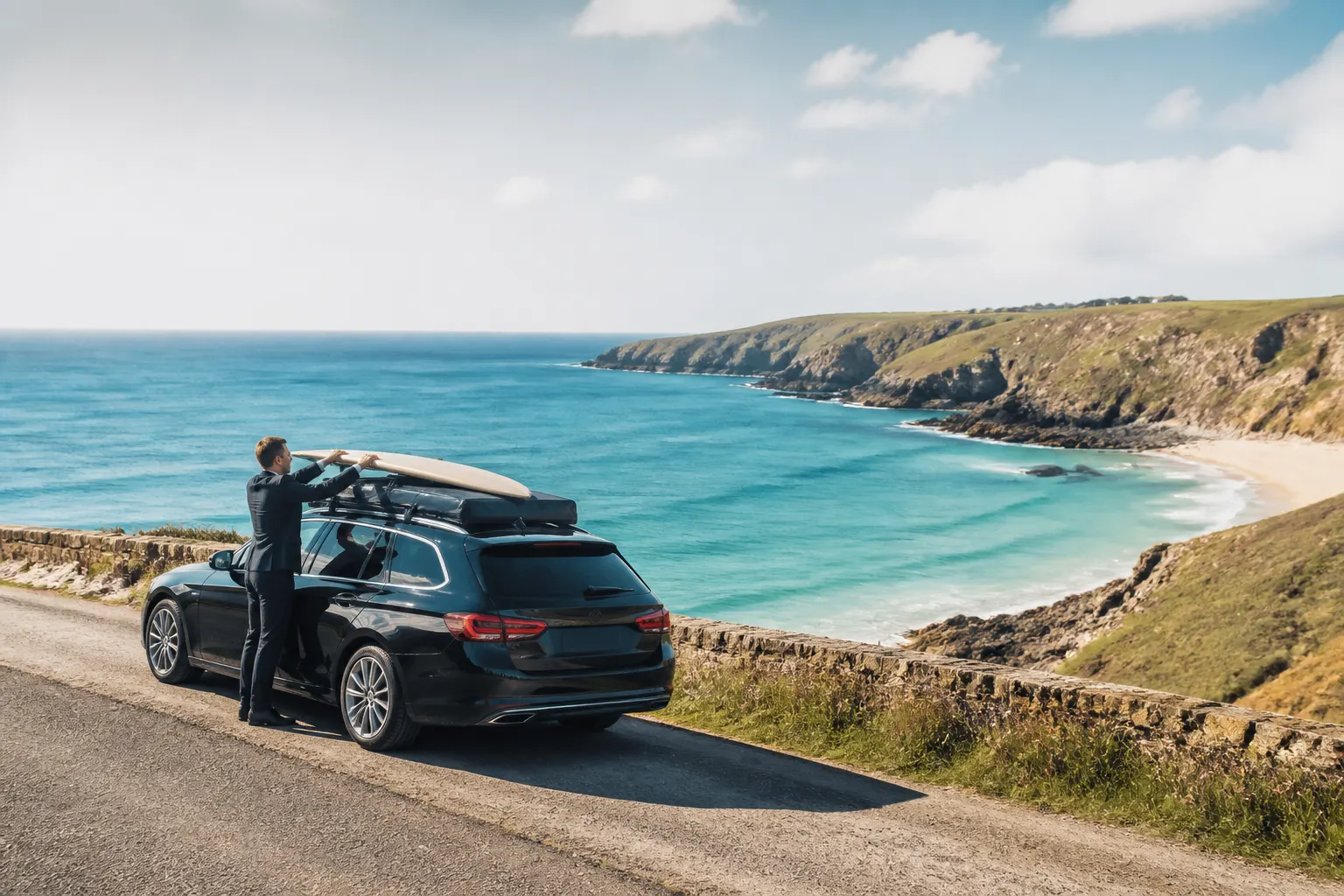



The Phantom is not transport. It is the largest, most deliberate car Rolls-Royce builds, and almost everybody who books one is booking it because it will be seen, photographed and remembered rather than because it is the quickest way between two addresses. Understanding that is the key to understanding why it is arranged and quoted so differently from everything else.
This guide sets out what governs a Phantom booking: how thin the supply really is, why the car is held rather than despatched, what preparation and positioning consume, and the physical constraints of putting a very large motor car into places that were built long before it existed. There are no figures here, only the mechanics behind them.
The Phantom is a ceremonial car
Everything about the flagship is scaled for presence. It is long, tall and wide, its rear doors are hinged at the back so that passengers step out forwards rather than sideways, and the cabin is built to feel like a room rather than a seat. Extended-wheelbase cars exist and are longer again. As with any prestige vehicle, the exact car, colour and specification available on a given date depend entirely on what is genuinely free.
The consequence is that a Phantom shapes an occasion rather than serving one. It changes how a wedding photograph looks, how an arrival at a venue feels, and how long people spend standing around the car afterwards. Those are the reasons to book it, and they are perfectly good ones. They are also the reasons it makes very little sense for an ordinary transfer.
Supply is the binding constraint
Very few of these cars are in professional chauffeur service anywhere in Britain, and the ones that are do not travel far from where they are kept. That produces a market where the first question is never what it costs but whether one exists on your date within sensible reach of your venue. Everything else in the arrangement follows from the answer to that first question.
It also explains why lead time matters more here than for any other vehicle. A Saturday in high summer will be committed a long way out, and no amount of planning at the last minute conjures another car into existence. Where a date is immovable, ask as early as you can. Where it is flexible, a Friday or a weekday transforms the picture completely.
Days, not journeys
A Phantom is almost always arranged as a block of held hours. The car arrives well before it is needed, is presented and checked on site, waits through the parts of the day when nothing is moving, and is released when you say so. Very little of that time is spent driving, and the driving is rarely the expensive part.
That has a practical implication worth sitting with before you plan. A tight, well-defined block is straightforward to arrange. A day with two short movements at opposite ends of nine hours costs the same as a day that is busy throughout, because the car cannot go anywhere useful in between. Deciding a realistic release time in advance is the most valuable single thing you can do.
- When the car is first needed on site, not when the first movement happens
- The number and spacing of movements through the day
- Whether the car stands where guests can see it or is parked away
- Whether photographs will involve the car, and roughly when
- A realistic release time rather than an optimistic one
- How far the car must travel to reach you and to get home again
The doorways a Phantom cannot reach
Size is a genuine planning constraint, not a detail. Multi-storey car parks with height barriers, underground hotel entrances, narrow country lanes with stone walls on both sides, gateposts built for horse-drawn traffic and steep unmade tracks all present real problems. A car of this length also needs a wide sweep to turn, which many small courtyards, cobbled entrances and walled kitchen yards simply cannot provide.
None of this is insurmountable if it is known in advance. What causes trouble is discovering it on the day, when the alternative is a walk in wedding shoes down a wet drive. Send photographs of the approach if you have them, describe the surface, and mention any barrier, bollard or gate. It takes two minutes and it removes the only serious risk in the entire arrangement.
- Height barriers on the way into underground or multi-storey parking
- Gateposts, bollards and the true width of the entrance itself
- Turning space in the courtyard or forecourt where the car must stand
- The surface and gradient of the final drive, especially after rain
- Overhanging branches along a private approach or avenue
- Where the car can stand safely while it is being photographed
Preparation, chauffeurs and presentation
The preparation for this car is closer to preparing an exhibit than cleaning a vehicle. It is thorough, it takes real time, and it is redone on site if the weather has undone it. Nobody wants a photograph of a flagship Rolls-Royce with a road-salt line along the sills, so the chauffeur arrives with the means to put that right and the expectation of doing so.
The chauffeurs who work these cars are a narrower group again. They are chosen for calm, for manners with a large group of guests who all want to look inside, and for the ability to place a very long car precisely on the first attempt while a photographer waits. That pairing of person and vehicle is part of what is being arranged, and it cannot be assembled at short notice.
How the arrangement is confirmed
Send us the date first, before anything else, because that is the question with a yes or no answer. Then the venue or venues, the hours you think you need, the number of passengers, and any photographs or notes about the approach. From that we can say quickly whether the day is workable, what shape it ought to take, and whether the hours you have in mind are realistic for the venues involved.
The quotation comes back in writing over WhatsApp or by email, naming the vehicle class held, the hours, what is covered and the terms that apply, which are confirmed in writing at the point of booking. If we do not think the Phantom is right for the day you have described, we will say so and explain why, rather than taking a booking that will disappoint you.