



There is a persistent assumption that a chauffeur on a touring day doubles as a guide, and it is easy to see why: the person is there, they know the roads, and they are usually good company. But guiding in Britain is a trained profession with its own qualifications, and driving a car well through a long day is a full job in itself. Doing both at once tends to mean doing neither properly.
That does not mean a touring day with us is a silent one. It means being clear about what you are getting, so that a family expecting narrated history at every stop is not disappointed, and a couple who wanted a quiet drive through the Cotswolds is not lectured for four hours. Below is the honest division of labour, and how to combine the two when you want both.
Why the two jobs are separate
A qualified guide has studied the history, architecture and context of the places you are visiting, holds a recognised qualification, and in some venues has accreditation without which they cannot lead a group inside at all. That is a different body of knowledge from route planning, vehicle handling and the hundred small judgements that keep a day of driving calm and punctual.
There is also a safety dimension that gets overlooked. A driver delivering commentary is a driver whose attention is divided, on unfamiliar rural roads, often while turning to make eye contact with people in the back. We would rather have a chauffeur concentrating on the road and a guide concentrating on you than a compromise that shortchanges both.
What a good chauffeur does know
Plenty, and it is worth having. A chauffeur who works a region regularly knows which entrance to use, where the queue forms at eleven, which village is worth the extra ten minutes, where lunch is genuinely good rather than merely convenient, and which viewpoint is empty on a Tuesday. That is practical local knowledge and it improves a day considerably.
What they will not do is deliver a set piece on the architecture of a cathedral or the succession of a dynasty. If you ask a question they can answer, they will, and most enjoy the conversation. Treat it as informed company rather than as a tour, and the expectation lands in the right place.
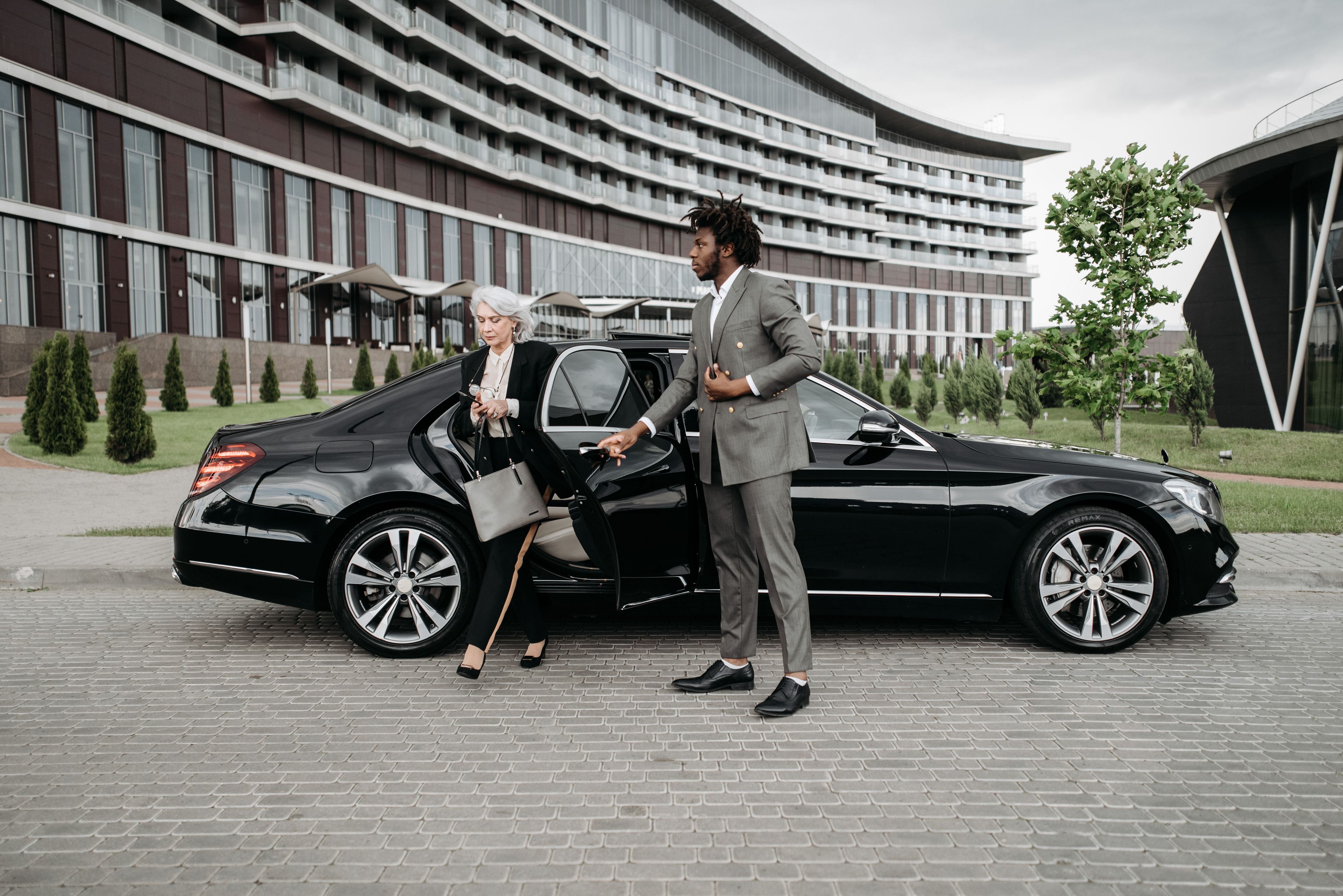
Booking a guide alongside the car
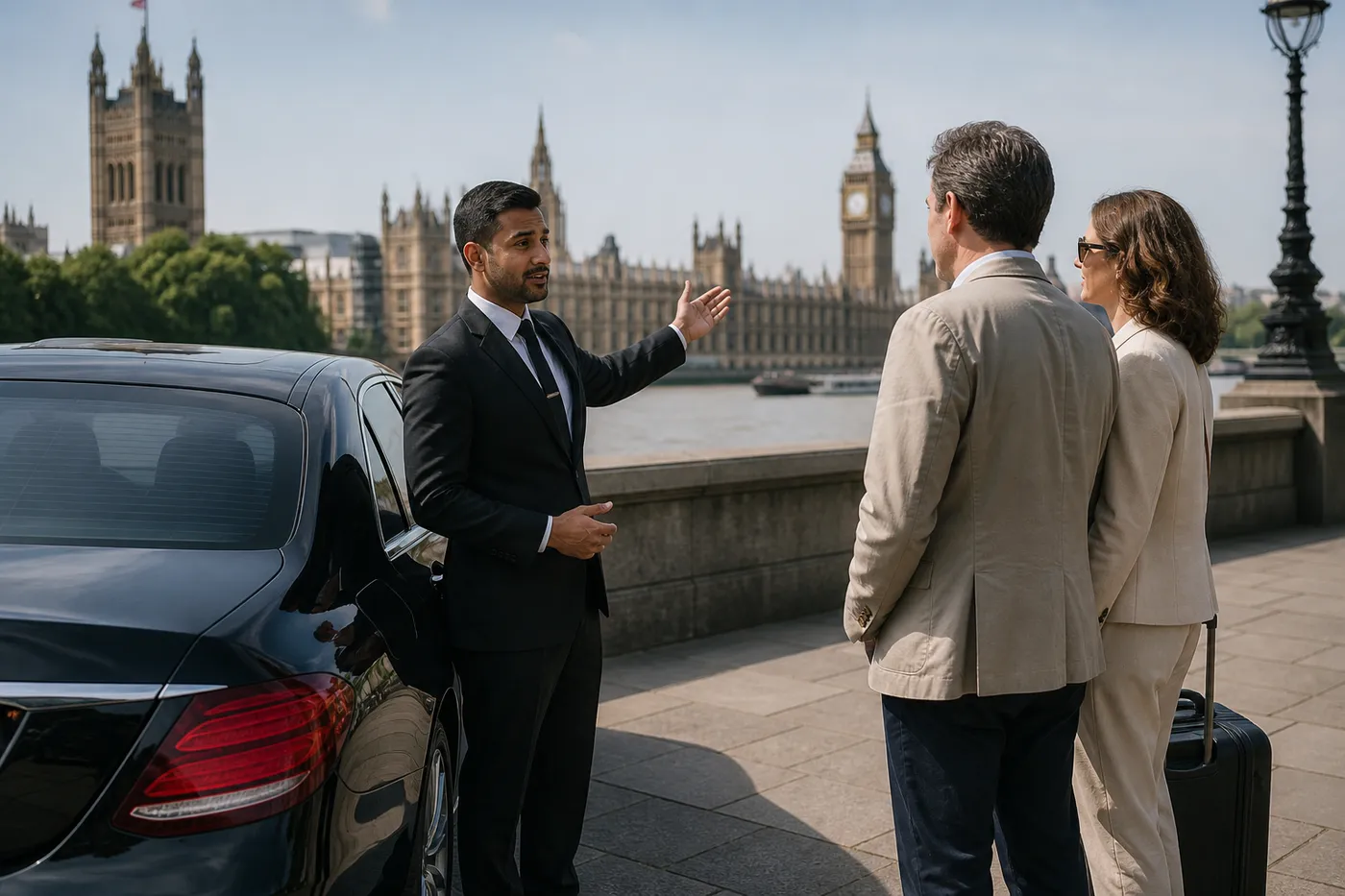
The straightforward route is that you engage a qualified guide directly, or through your hotel or tour operator, and we build the driving day around them. The guide travels in the car with you, which means their commentary happens between stops as well as at them, and there is no coordination problem between two separate vehicles arriving at different times.
We do not employ guides and we would not want to imply otherwise. What we can do is tell you honestly how a day works best from the driving side: how much ground is realistic, where the car can wait, how long each stop tends to take. Send us the shape of the day and that advice comes back in writing before anything is confirmed.
- Engage a qualified guide directly or through your hotel or operator
- Ask the guide to travel in the car rather than follow separately
- Confirm passenger numbers, since the guide takes a seat
- Share the guide's proposed itinerary so the driving can be timed to it
- Decide whether the guide accompanies you inside every venue
Deciding whether you need one
A guide is worth it when the places you are visiting are the point: a first visit to a great cathedral, a battlefield, a house with a complicated history, or a day where a knowledgeable voice turns a nice view into something memorable. For those days, the expense of a guide changes the day more than upgrading the car would.
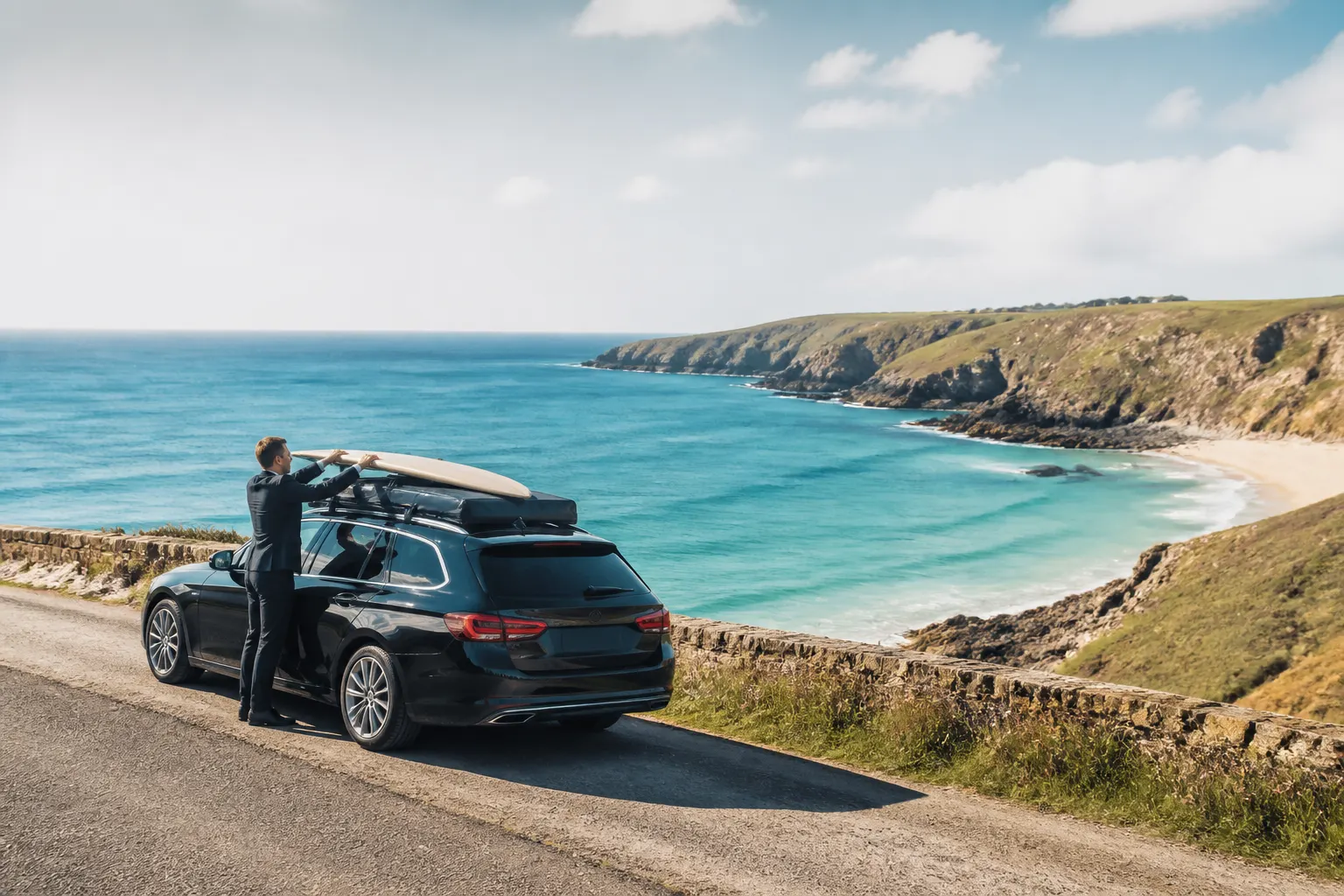
A guide is unnecessary when the driving and the landscape are the pleasure, when you have visited before, or when the day is really about lunch, shopping and a good hotel at the end. Many of our touring days are exactly that, and they work beautifully with nothing more than a comfortable car, a well-judged route and someone who knows where to stop.