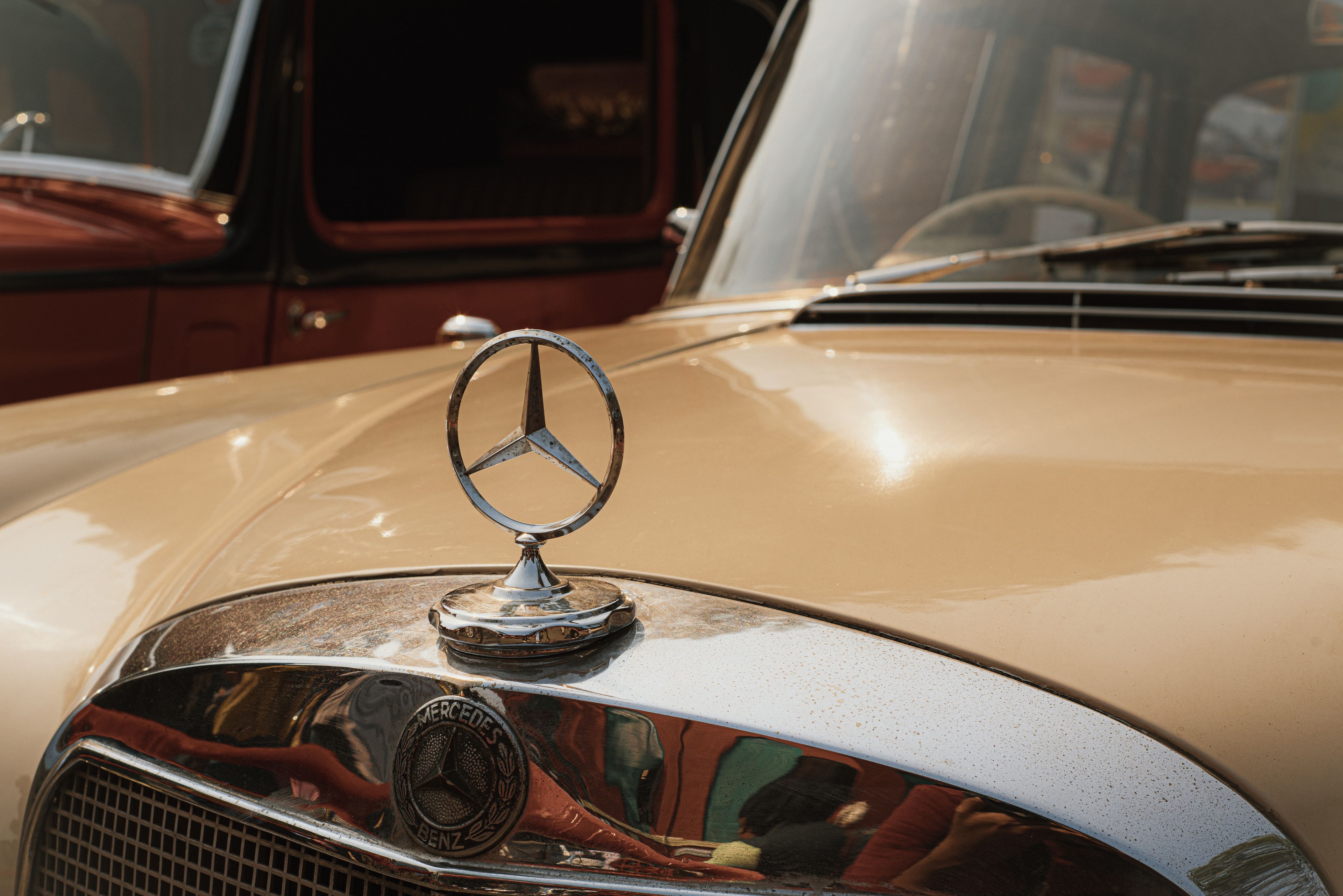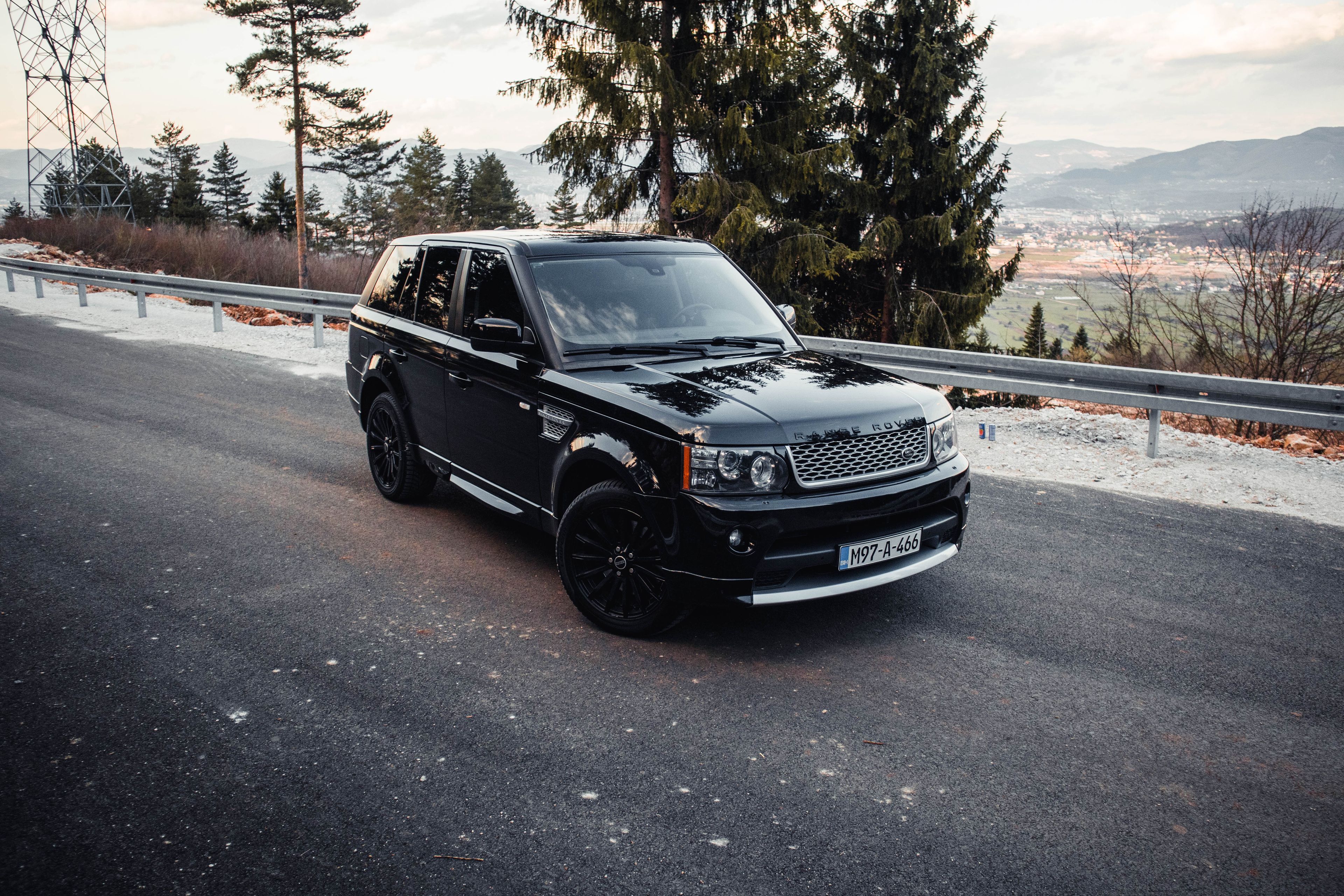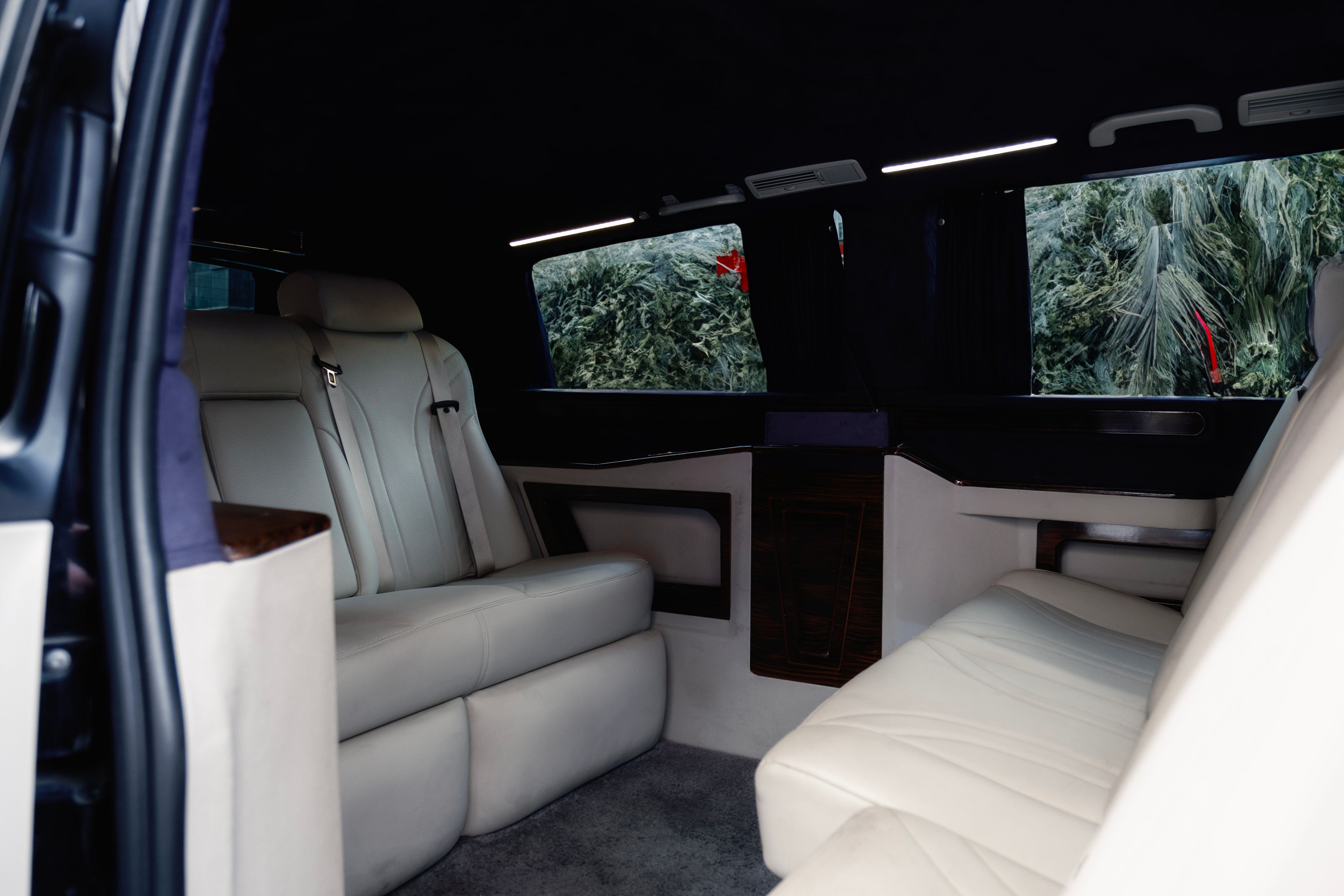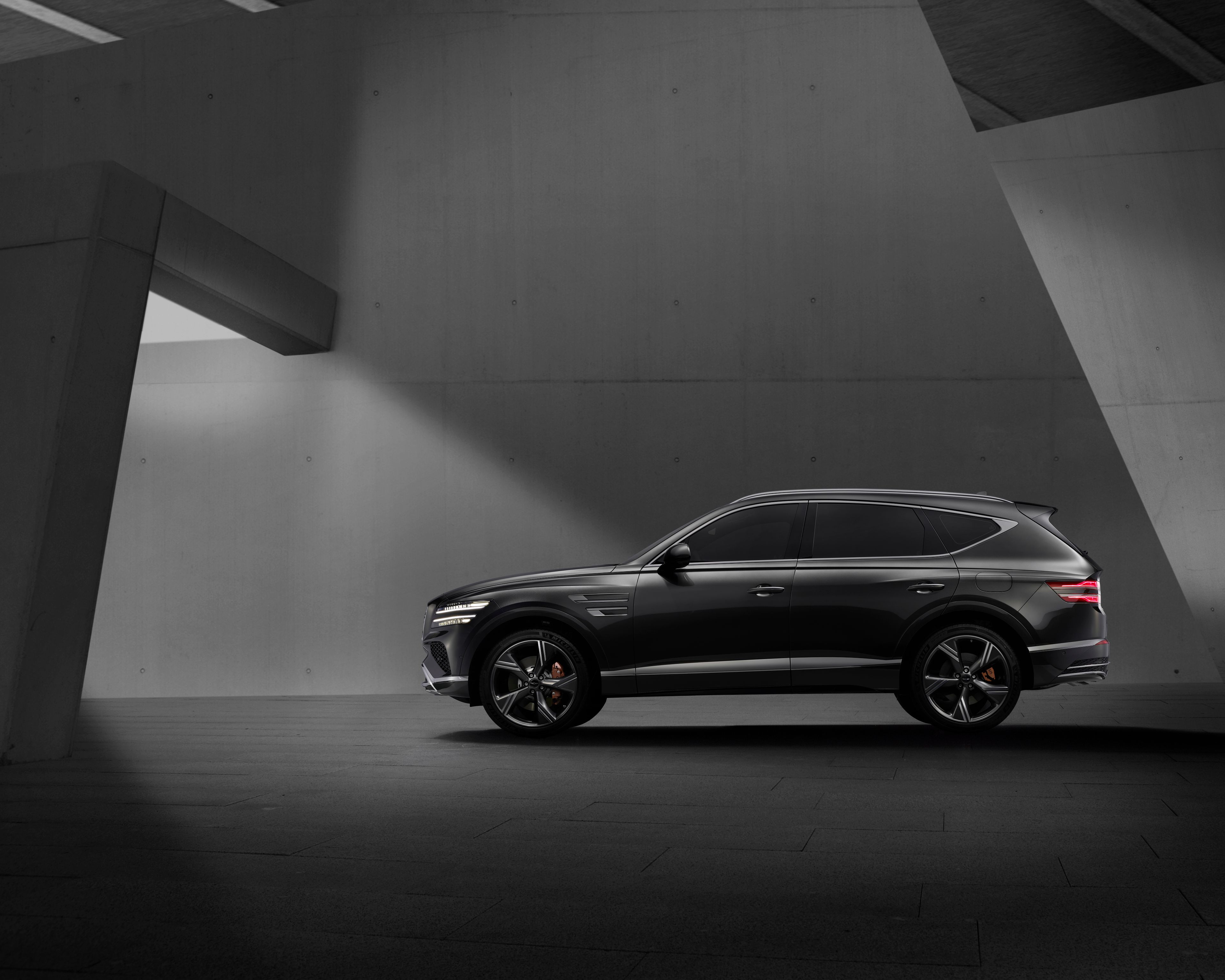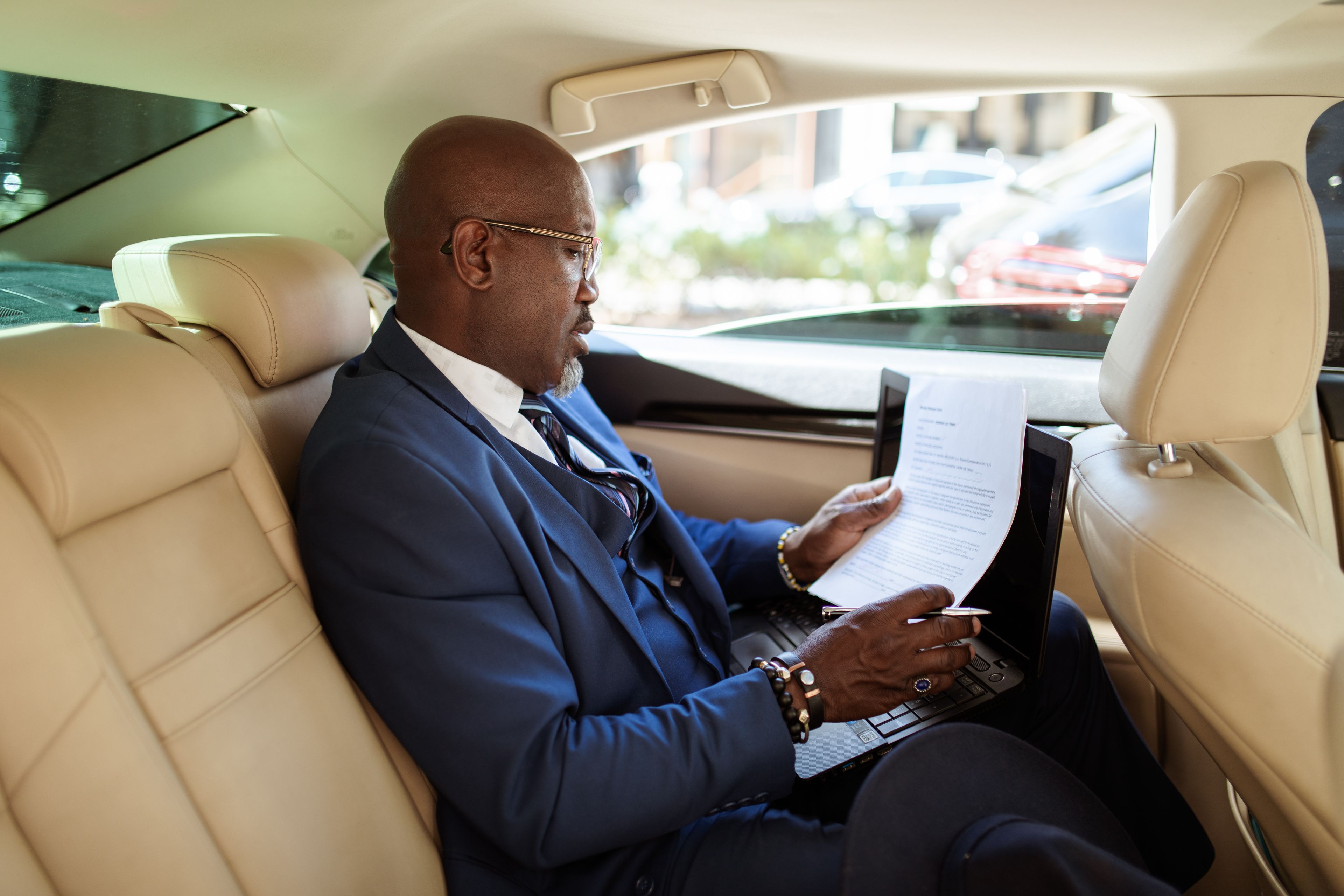



For anyone who has not used a chauffeur before, the door business can feel like the most exposed part of the experience. Should you wait? Should you reach for the handle? Is it rude to open it yourself? The answer is that nobody is judging you, and a good chauffeur will make the choice invisible either way.
Underneath the etiquette there is a practical purpose. Somebody standing at the door is somebody shielding you from traffic, holding an umbrella, and taking your bag before you have to decide what to do with it. The courtesy exists because it works, not because it looks impressive on a forecourt.
What the door courtesy involves
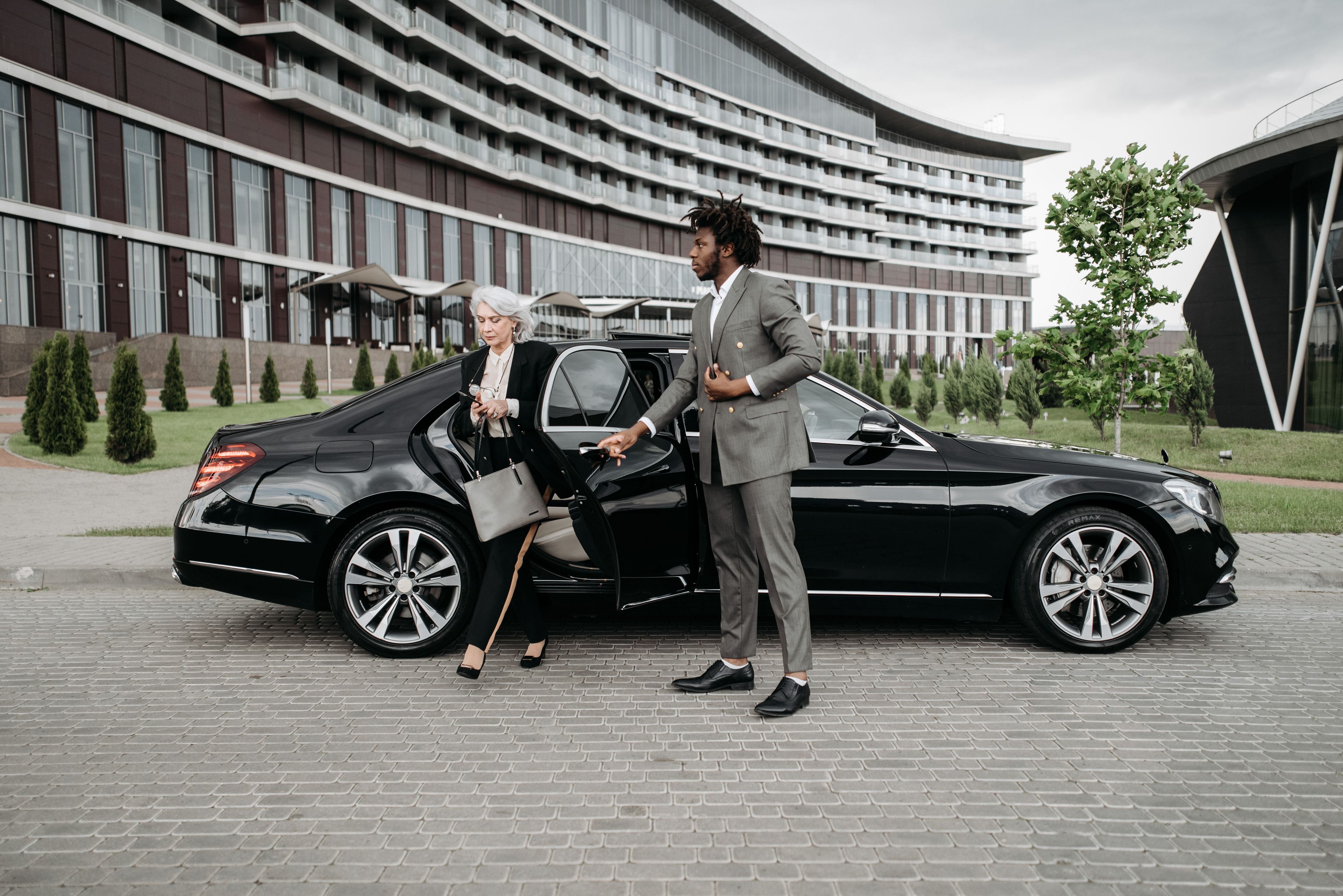
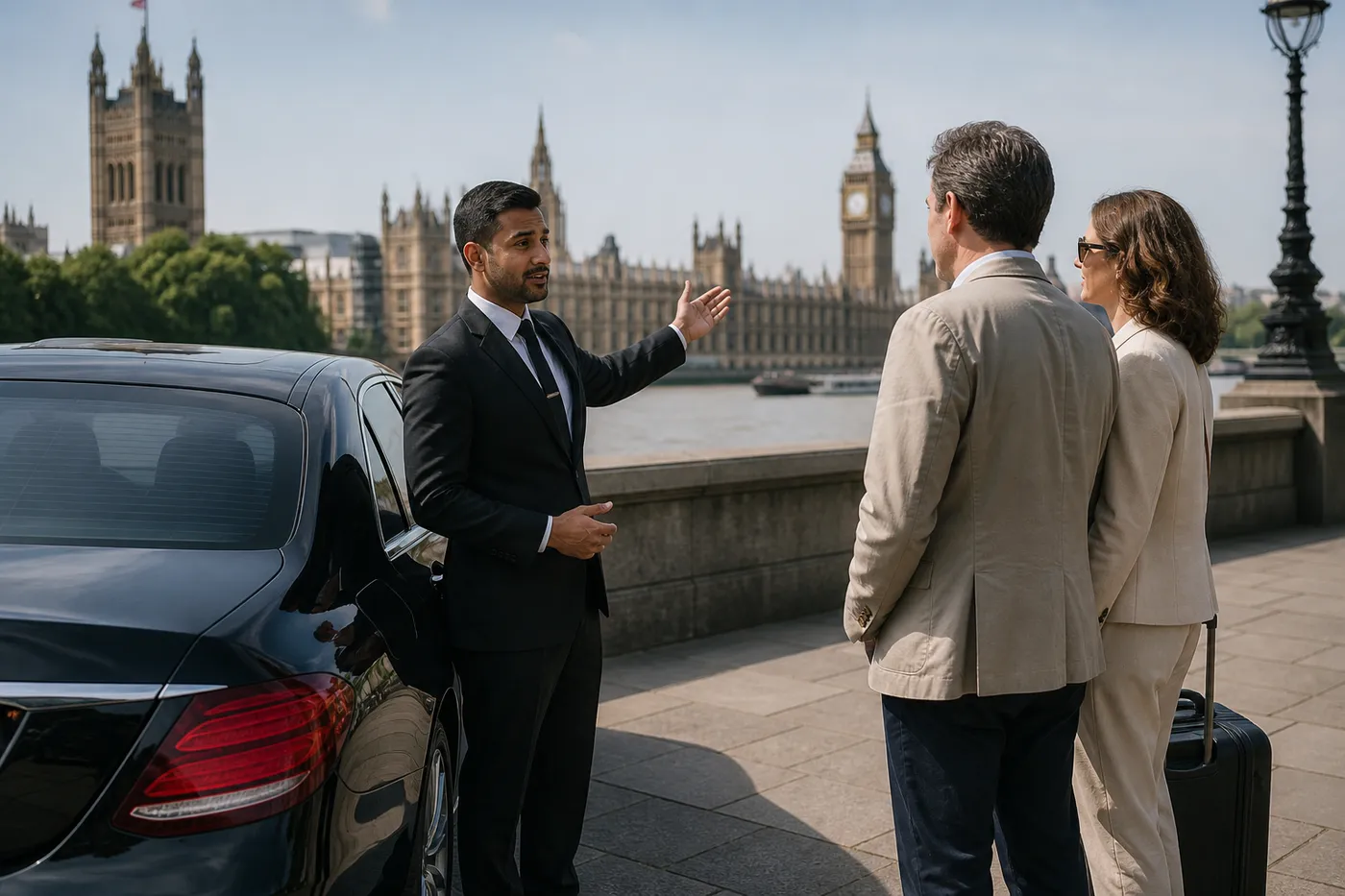
The chauffeur will be out of the car and standing by the rear door as you approach, positioned slightly back so you are not squeezing past anybody. The door is opened, held while you get in, and closed with a hand rather than a shove. On arrival the same thing happens in reverse, and the chauffeur waits until you are clear before returning to the driver's seat.
It is done without commentary. There is no bow, no flourish, and nothing that would make a bystander look twice. The whole point is that the transition from pavement to car happens smoothly and unremarkably, particularly if you are arriving somewhere where being watched is part of the occasion.
When it will not happen, and why
Traffic overrides ceremony every time. If the car has stopped on a live carriageway, on a red route, or anywhere that opening a door on the offside would put either of you in danger, the chauffeur will direct you to the kerbside door and will say so plainly. That is professional judgement, not a lapse of manners.
There are other moments where the courtesy is deliberately dropped. At a security-conscious arrival where lingering outside the car is unwise, at a hospital or a private clinic where discretion matters more than form, or when the weather is bad enough that standing about helps nobody. In each case, getting you inside quickly is the better service.
The other small courtesies
Door opening is the most visible of a set of habits that together make up the job. None of them are dramatic, and collectively they are the difference between a car journey and a chauffeured one.
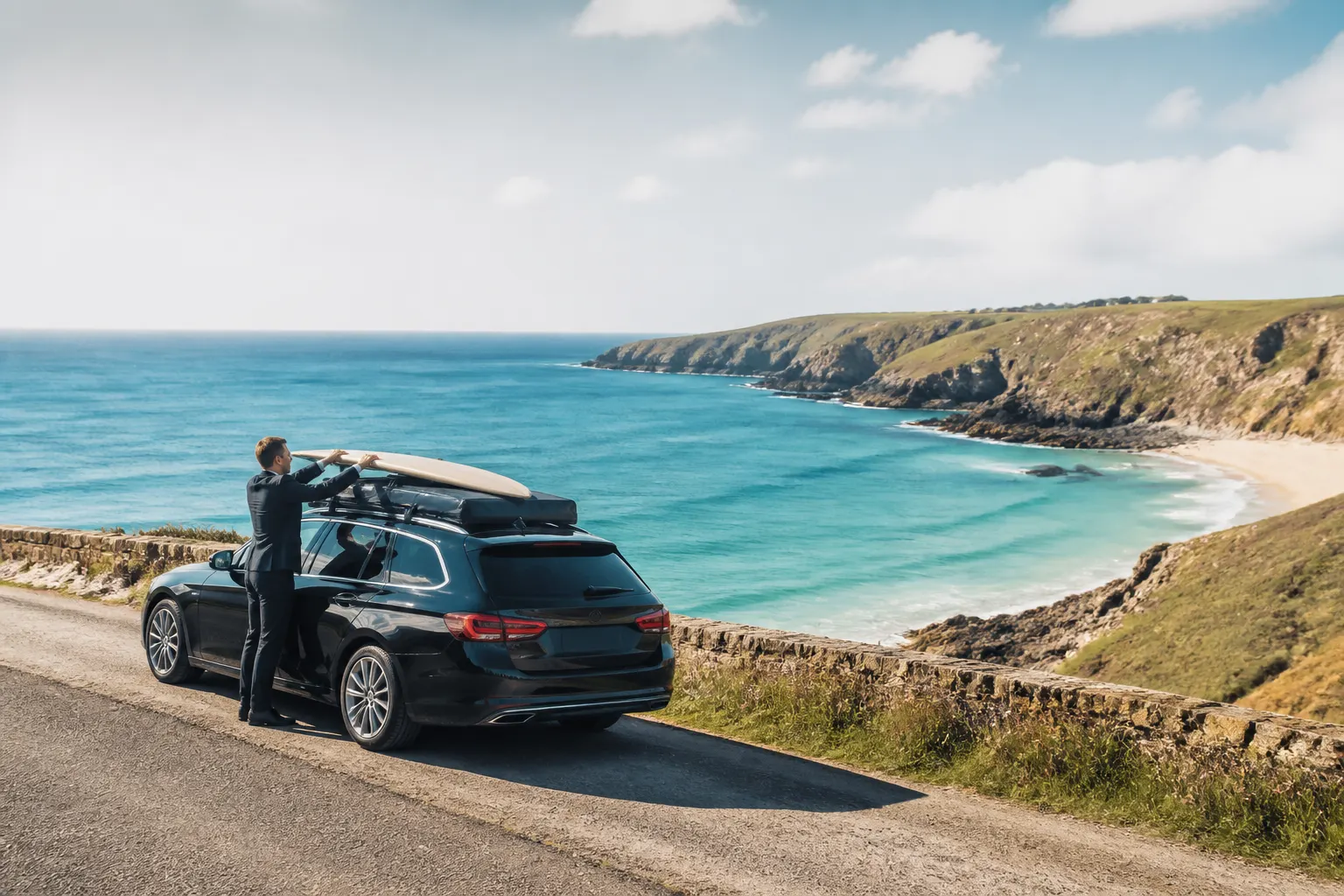
- Luggage taken from you and loaded before anyone gets in
- An umbrella held over you between the door and the building
- The cabin set to the temperature you asked for, not the chauffeur's
- Still water in the door, replaced rather than topped up
- Standing back once you are seated rather than hovering at the window
- The car repositioned so you step out onto the pavement, not the road