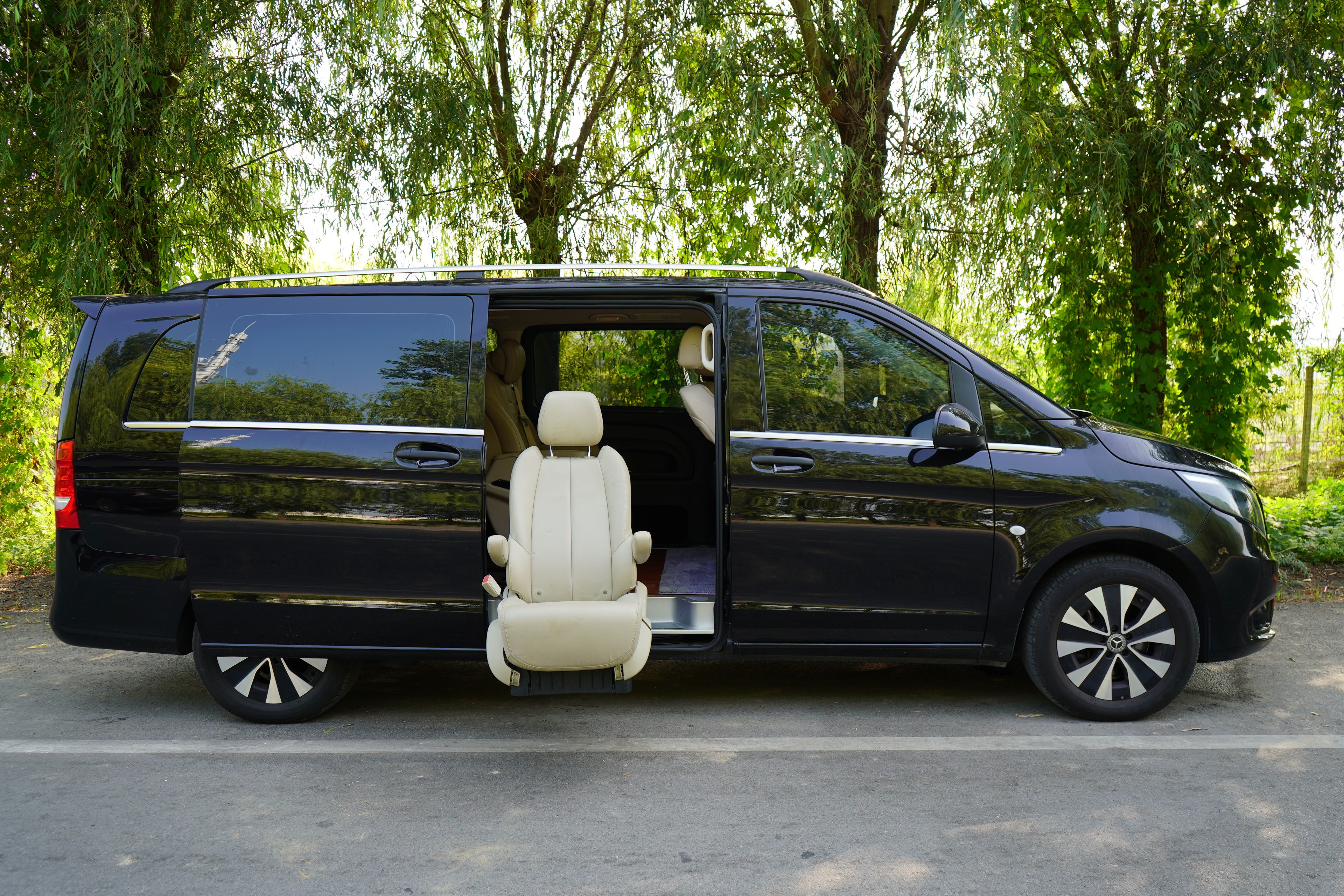






The difference between an occasional booking and a standing arrangement is mostly about repetition. When the same five people travel from the same three offices to the same airports most weeks, quoting every journey as though it were new wastes everybody's time and produces slightly different answers each time. An account exists to remove that friction.
What it does not do is turn chauffeur travel into a commodity. The vehicles, the standards and the discretion stay exactly as they are for a private client. What changes is the administration around them, and for the assistant or travel manager doing the booking, that administration is most of the daily experience.
What an account arrangement changes
Instead of a fresh conversation for each trip, you work to a set of terms agreed once and applied consistently. Regular routes are already understood, vehicle classes for different types of journey are already decided, and a booking becomes a short message with a date and a name rather than a full briefing. Administration is consolidated rather than scattered across dozens of separate quotations.
It also creates a shared standard that is easier to hold people to. When expectations about presentation, timing, discretion and communication are written down at the outset, there is a reference point for both sides. That matters more for a company than for an individual, because a dozen different bookers are relying on the same understanding.
Continuity of chauffeur and vehicle
For regular travel the same faces matter enormously. A chauffeur who has driven a director for six months knows the entrance they prefer, the temperature they like, whether they take calls in the car and how much silence to leave. That familiarity cannot be written into a specification, and it is one of the strongest arguments for a standing arrangement rather than ad hoc bookings.
We aim for continuity and we plan around it, though we will not claim the same person on every date regardless of illness, leave or a diary clash. Where a substitution is necessary you are told in advance, and the incoming chauffeur is briefed on the preferences that matter rather than starting from nothing.

Booking on behalf of other people
Most corporate bookings are made by somebody who is not travelling, which introduces its own requirements. Assistants need confirmations they can forward, clear collection details to pass on, and a way to change plans quickly without a chain of approvals. Everything therefore runs in writing, so a booking can be forwarded intact rather than relayed from memory.
Visitors and clients being collected on your behalf are handled the same way. The chauffeur has their name, the flight or venue details, and whatever instructions you have given about how the person should be met, including whether the board carries a name at all. From the guest's point of view, the arrangement should feel like your hospitality rather than a booking somebody made.
- Which routes and airports recur, and roughly how often
- Vehicle classes for each type of journey and each level of traveller
- Who is authorised to book, and how confirmations should be sent
- Preferences for named travellers that chauffeurs should know
- How changes and short-notice requests should be handled
- How billing and reporting should be organised for your finance team
Setting one up
Start with a description of the travel rather than a specification. Tell us who moves, from where, how often, and what has irritated you about previous arrangements, because the last of those is usually the most useful. We come back with a written proposal covering vehicles, standards, communication and terms, and nothing is in force until you have agreed it.
There is no obligation to commit to volume or to a particular pattern, and we will not pretend an account is right for a company that travels twice a year. If journey-by-journey booking suits you better, that is what we will suggest. Send the outline over WhatsApp or by email and the first written response will tell you which of the two makes sense.