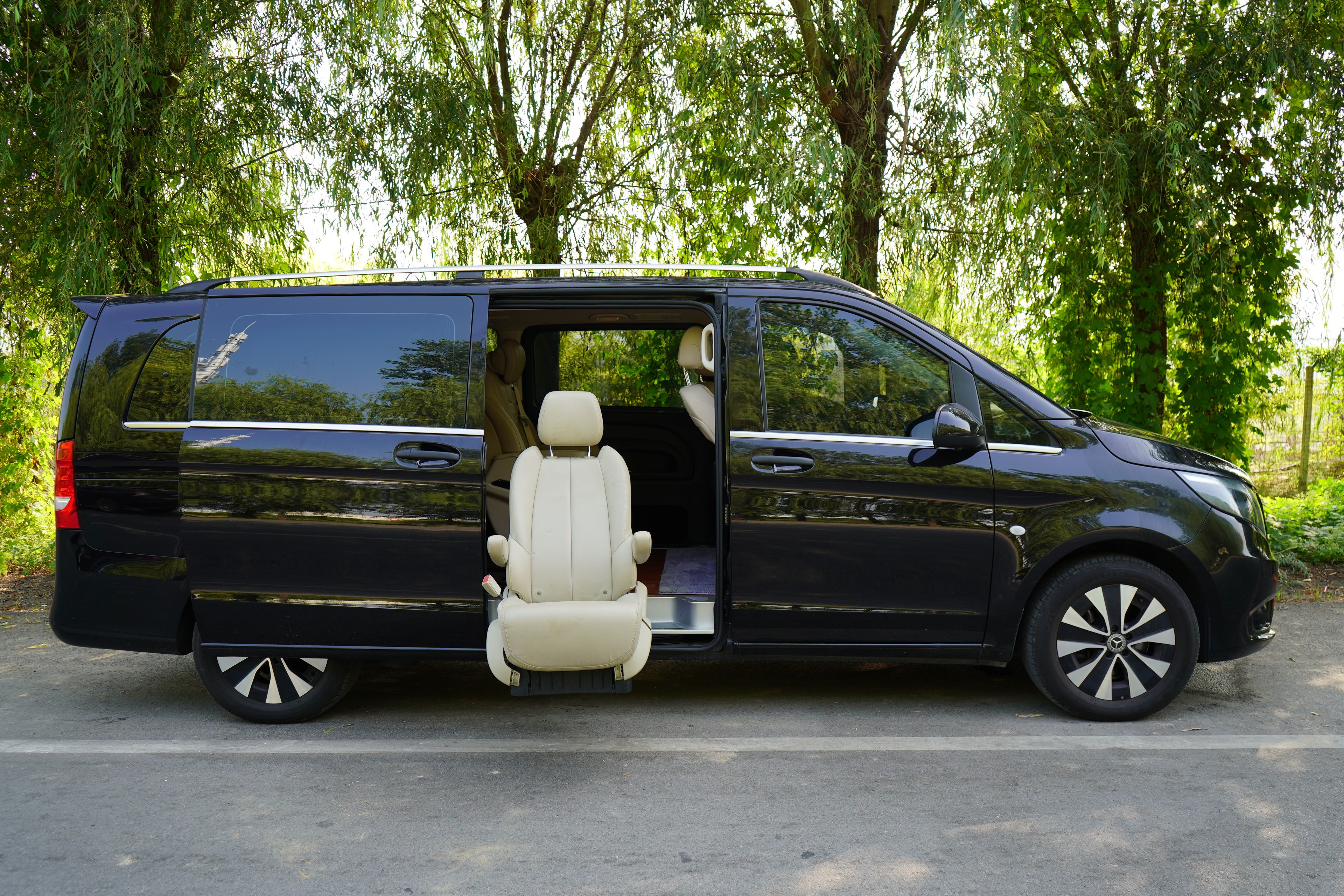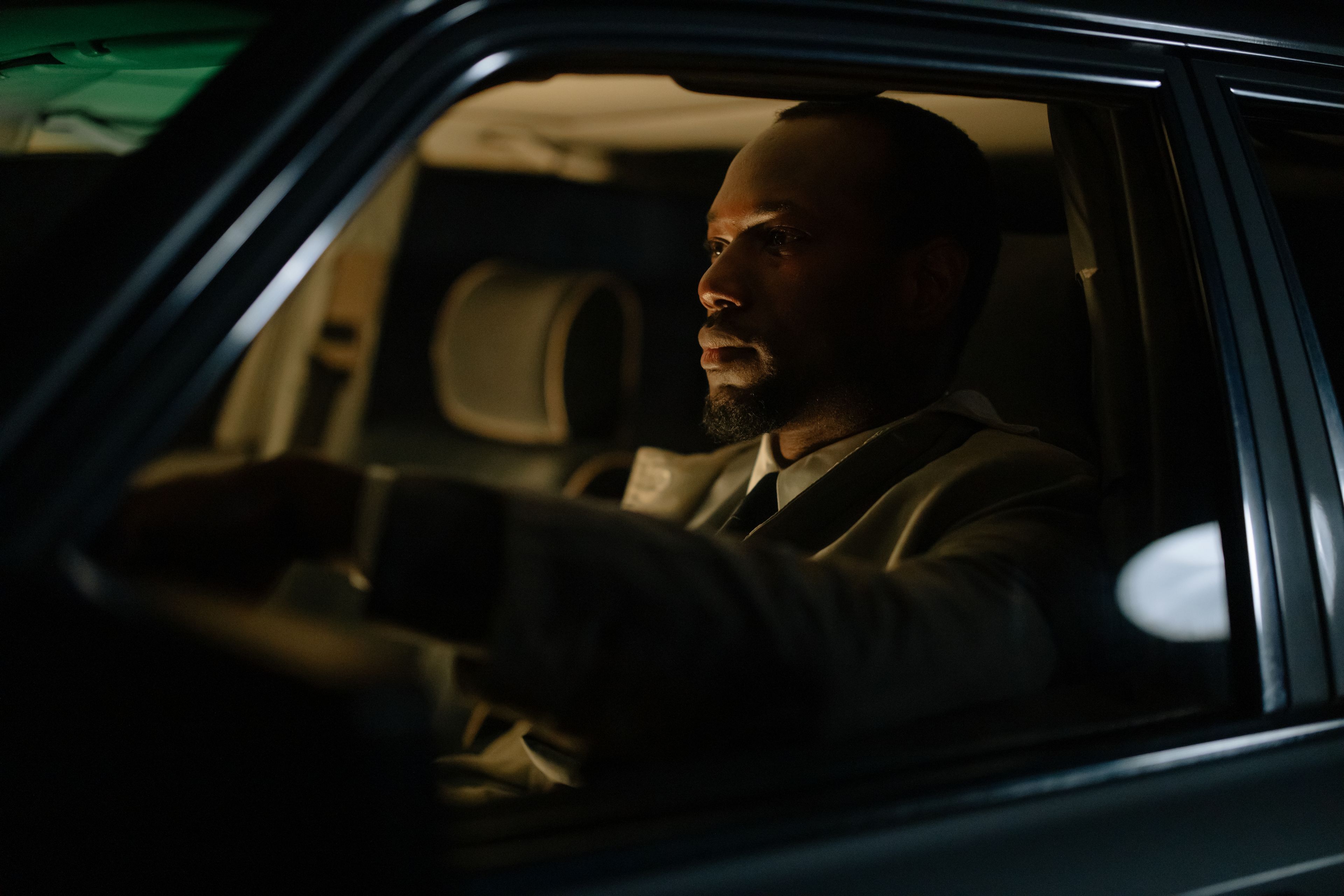






The four in the morning collection is one of the truest tests of a chauffeur service, because everything about it is unforgiving. You are half awake, the house is dark, the street is silent, and any small failure becomes a large one. A car that is late, a driver who cannot find the address, a horn at the wrong moment: each of these ruins a morning that was already going to be difficult.
It is also, done properly, one of the most valuable bookings there is. Somebody else is awake, the car is warm, the bags go in without you lifting them, and the first decision you have to make is whether you want to sleep or talk. Below is how the arrival is handled and what to settle the night before so it goes smoothly.
What a quiet arrival looks like
The chauffeur aims to be in the area ahead of time rather than at your door ahead of time, waiting a short distance away with the engine off. Pulling onto a drive at ten to four and idling under a bedroom window helps nobody, least of all your neighbours. At the agreed minute the car comes forward, lights dipped, and stops where you have said.
Contact is by message unless you have asked otherwise. No horn, no headlights swept across the front of the house, no repeated doorbell. If you would rather the chauffeur came to the door to help with bags, say so and that is exactly what happens; if you would rather appear on your own terms, the car simply waits until you do.
Getting the timing right
Early departures have one advantage that offsets the hour: the roads are close to empty, and journeys that take ninety minutes at eight in the morning can take half that at four. What does not shrink is the airport itself, where bag drop queues at the first wave of departures are frequently worse than at midday, and where check-in closing times are enforced strictly.
So the collection time is worked backwards from the closing time your airline gives you, with margin for the terminal, not from an optimistic view of the road. Give us the flight number and terminal when you book and the time comes out of that calculation. If you would rather leave earlier still and have coffee airside, say so and we will build the day that way instead.

Gates, narrow streets and neighbours
Residential collections fail on geography more often than on timing. Electric gates with a code nobody passed on, a private road with a barrier, a mews too narrow to turn in, a village where the postcode drops a car two hundred metres from the house, a controlled parking zone with nowhere to stop legally at that hour. All of it is solvable and none of it should be solved at four in the morning.
Send the details when you book and the chauffeur will have them in advance. A short note about where to stop and how to reach the door is worth more than any amount of technology, particularly at an address that mapping applications place approximately.
- A gate code, entry instruction or the name on the intercom
- Where exactly the car should stop, if the front of the house is awkward
- Whether the chauffeur should come to the door or wait for you
- How many cases there are, and whether they will be by the door
- A note if a neighbour, a light sleeper or a baby is a real consideration
- Whether anybody else in the party is being collected en route
The night before
Confirm the collection time and the address details in the thread the evening before, so that both sides are working from the same plan and nobody is checking messages at three in the morning. Put the cases by the door and keep your phone somewhere you will hear it. That is genuinely all the preparation required at your end.
At ours, the chauffeur will have the route, the address notes and your flight details before going to bed, and will set off early enough to absorb an incident on the way to you. Overnight roadworks are the one genuinely unpredictable element at that hour, which is another reason the car sets out with more time than the map suggests it needs.