


The first thing to say about the Lake District is that it is not a day out from London. The drive alone runs to five or six hours in each direction on a reasonable day, which leaves nothing worth having at the far end. Anyone who tells you otherwise is selling a coach seat. Treated as a two or three day trip, however, it is among the finest driving landscapes in the country.
The second thing is that distances inside the national park bear almost no relation to time. Twenty-five miles across the fells can take an hour, sometimes considerably longer in August. This page explains why, which roads suit a chauffeur car and which do not, how boat timetables and small house museums shape a day, and what a sensible pace actually looks like.
Why one day does not work
From London, the round trip is somewhere in the order of eleven or twelve hours of driving before you have looked at a single lake. Even from Manchester or Leeds the approach takes long enough that a day gives you one valley at most. The Lakes reward being lived in for a few days rather than visited, and the difference is not marginal.
Two nights is the realistic minimum for a first visit, and three is where the trip starts to breathe. With three days you can give the southern lakes a day, the northern fells a day, and the western valleys or a boat and a house a third, without ever spending more than a couple of hours in the car. That is a holiday. Anything less is a transfer with scenery.
Where a longer stay is impossible, we would suggest choosing a single valley and doing it thoroughly rather than attempting a circuit. Ullswater alone, or Borrowdale alone, is a genuinely rewarding day if you are already in the region. The same applies to anyone passing on the way north or south: one valley, properly seen, stays with you far longer than a hurried loop of four.
Passes, single tracks and the car
The famous passes are the reason the map lies. Kirkstone and Honister are steep, narrow and slow, with gradients that reduce everything to walking pace in places, and they are perfectly manageable in a well-driven car. Hardknott and Wrynose are a different matter: extremely steep hairpins on single track, unsuitable for long-wheelbase vehicles and genuinely unpleasant in poor weather. We would decline to take a large car over them, and say so at the outset.
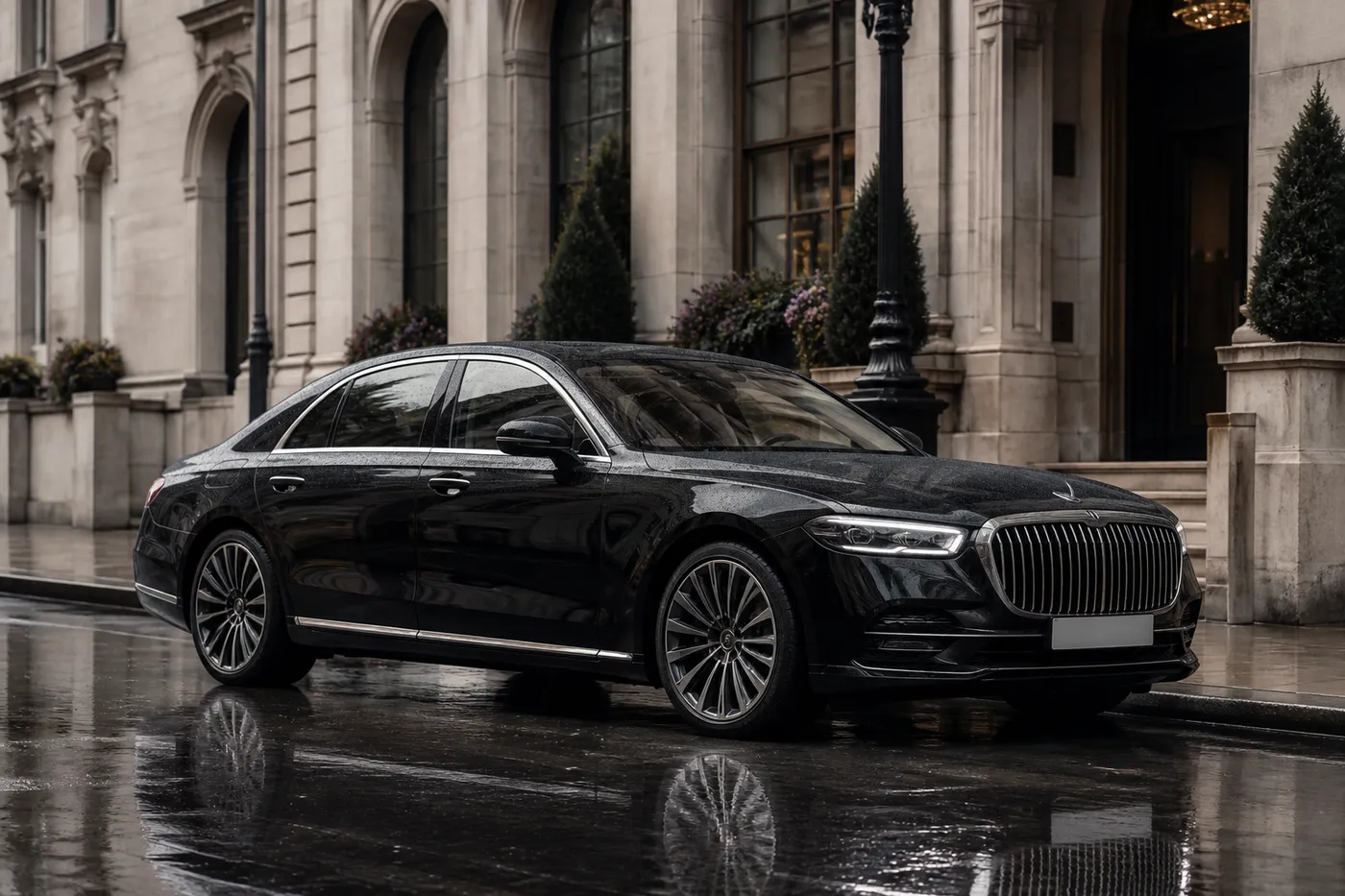
Elsewhere the roads are narrow rather than difficult, with drystone walls, passing places and a good deal of oncoming traffic in season. A saloon moves through the region far more easily than a full-size people carrier, which matters when a lane narrows between walls. Where the party is larger, the route needs planning around the vehicle rather than the other way round.
Summer weekends and school holidays add a further layer. The bottlenecks around the main lakeside villages can add half an hour to a short journey, and early starts are the only reliable answer. Setting off before nine transforms the driving, and it also puts you at the popular viewpoints while there is still somewhere to stop. By the middle of the afternoon the same roads are queued and the car parks are long since full.
Boats, houses and timetables
The lake launches are among the best things here and they run to published timetables that vary by season and by weather. Crossing one lake by boat while the car meets you at the far end is a lovely way to structure a morning, but it depends entirely on the sailing being where you expect it. Check timetables close to your date and book where booking is offered; this is arranged by you rather than by us.
The literary houses have the opposite problem: they are small, and their capacity is genuinely limited. The most popular of them admit visitors in modest numbers at set times and can sell out, particularly in summer. Book ahead, directly, and treat the slot as fixed. Opening arrangements are seasonal across most properties in the region and should always be confirmed rather than assumed.
Pacing three days properly
The outline below assumes a base somewhere central and three full days on the ground. Each day deliberately covers one part of the region rather than crossing it, which is the whole point. Reverse the order freely according to the forecast; the structure exists to keep each day local rather than to fix what happens on which date, and that single discipline saves several hours of driving across a short trip.
- Day one, the southern lakes: Windermere, a launch, and a small house
- An afternoon at a slower pace around Coniston or Esthwaite
- Day two, north over the passes to Ullswater and Aira Force
- Or the northern fells, Derwentwater and Borrowdale from Keswick
- Day three, the quieter west: Wasdale or Buttermere in good weather
- A stone circle, a country pub lunch and an unhurried return
- One flexible half day held back for whatever the weather permits
Weather is the whole story
This is one of the wettest parts of England and the cloud sits low on the fells for much of the year. A trip planned around fixed daily itineraries will be disappointed; one planned around a list of options and a willingness to reorder them will not. Keep the high passes and the viewpoints for whatever clear weather appears and hold the houses, the galleries and the long lunches in reserve for the rest.
Practically, this means telling your chauffeur what you would like to see rather than when, and letting the day assemble itself each morning. It also means bringing waterproofs regardless of the forecast. A wet day in the Lakes is not a wasted one, but it is a different one, and the guests who enjoy it most are those who arrived expecting it.
How a multi-day trip is arranged
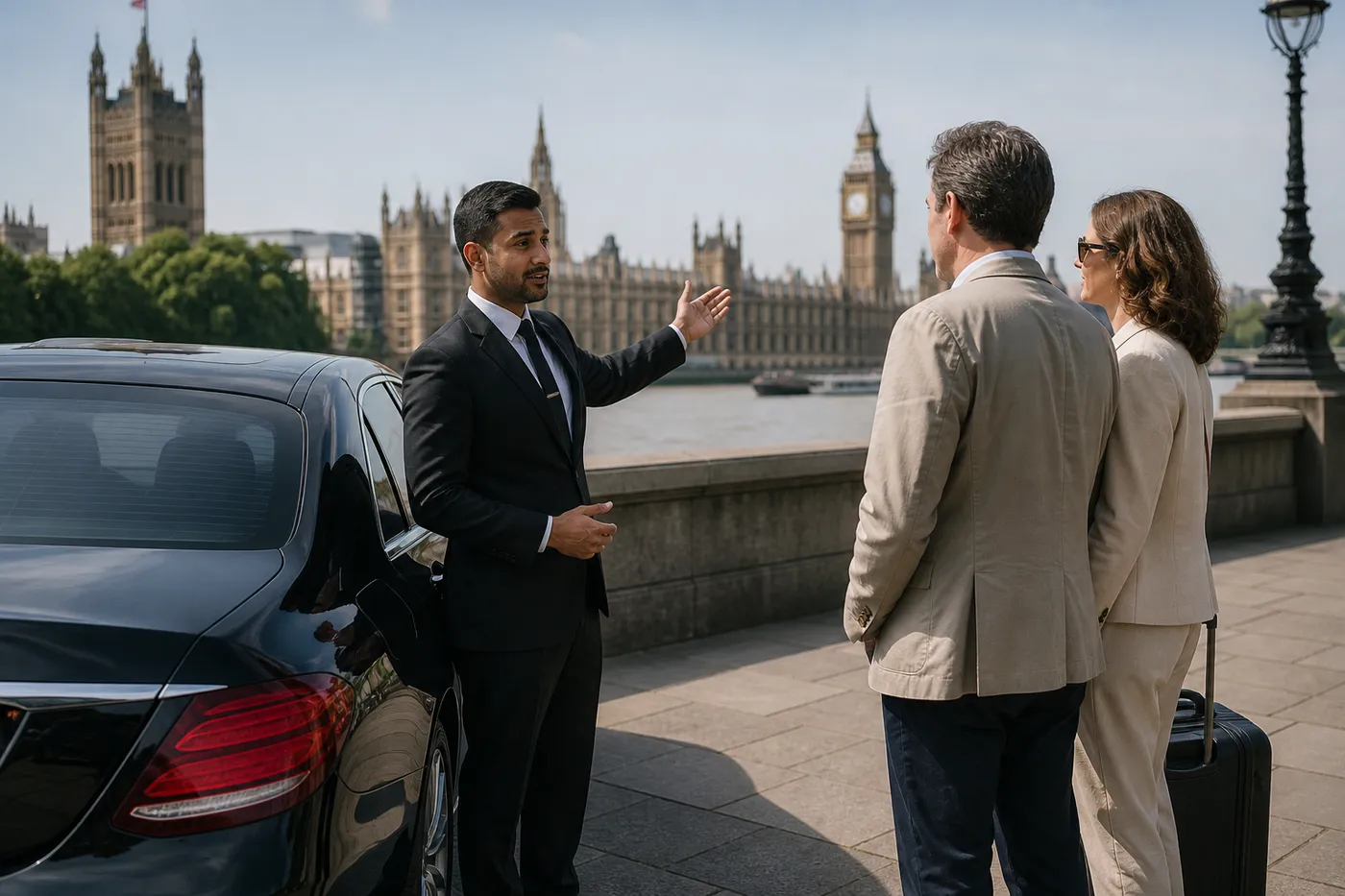
For trips of this length we would normally arrange a chauffeur who stays with you for the duration rather than a different driver each morning, which makes the days flow far better. Accommodation, admissions, boat tickets and restaurant tables are all booked by you; we will happily advise on driving times between them, which is where most multi-day plans come unstuck.
Your chauffeur is a professional driver and not a licensed guide, so the fells are not narrated as you pass them. If you would like the geology, the literature and the history properly explained, a qualified guide can be arranged to travel with the party on request. Vehicles are our own or come from a vetted network of professional chauffeur operators, with model, colour and specification subject to availability. Speak to us on WhatsApp or by email.