
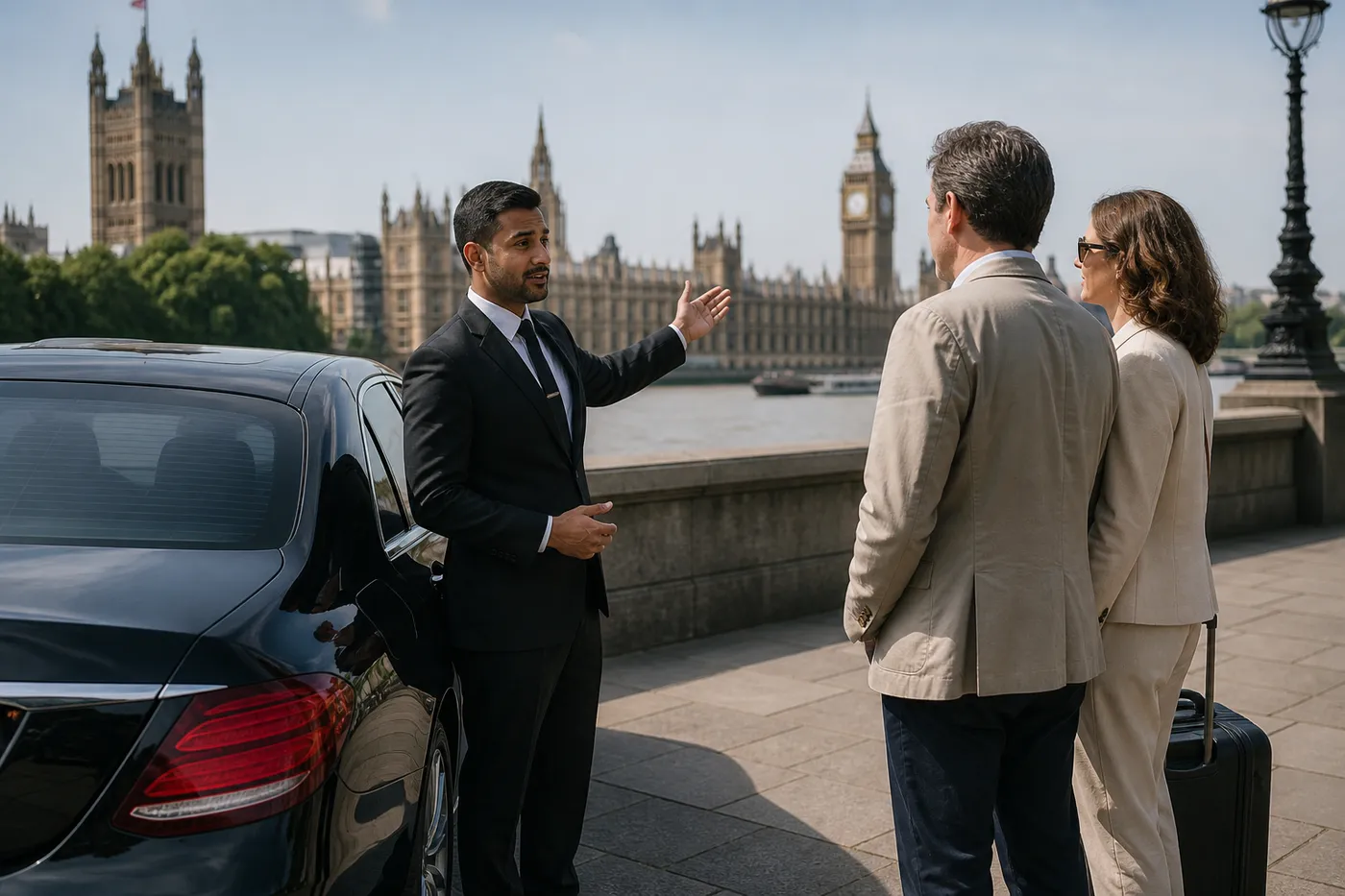


Moving one person is a booking. Moving fifteen people from three hotels to a dinner and back again is a logistics exercise, and the difference is not the number of cars. It is that everything must converge at the same moment, at a venue with limited kerb space, in an hour when every other event in the city is doing the same thing.
The good news is that this is well-trodden ground. Board meetings, client roadshows, awards dinners, results days, conferences and delegation visits all follow recognisable patterns, and most of the failure modes are known in advance. What follows is how these bookings are actually run and where the real limits sit.
How a multi-car booking is coordinated
You deal with one point of contact rather than with individual drivers, and everything runs through a single written thread. Vehicles are allocated to named passengers or to groups, each chauffeur receives the same plan, and changes made during the day go out to everyone at once rather than to whoever happens to be nearest. That single source of truth is what stops a fifteen-car evening becoming fifteen separate conversations.
Where an event runs across a full day, cars are usually held rather than dispatched trip by trip. It costs more hours but removes the compounding delay that comes from vehicles chasing each other across a city, and it means a guest who needs to leave early is not stranded while everybody else is still at dinner.
Arrivals, departures and the awkward hour
Arrivals are the easy half. Cars come in at staggered times from different origins, and even a busy forecourt absorbs that comfortably. Departures are where events go wrong, because everybody leaves within about eight minutes of each other and the venue has room for two vehicles at the door.
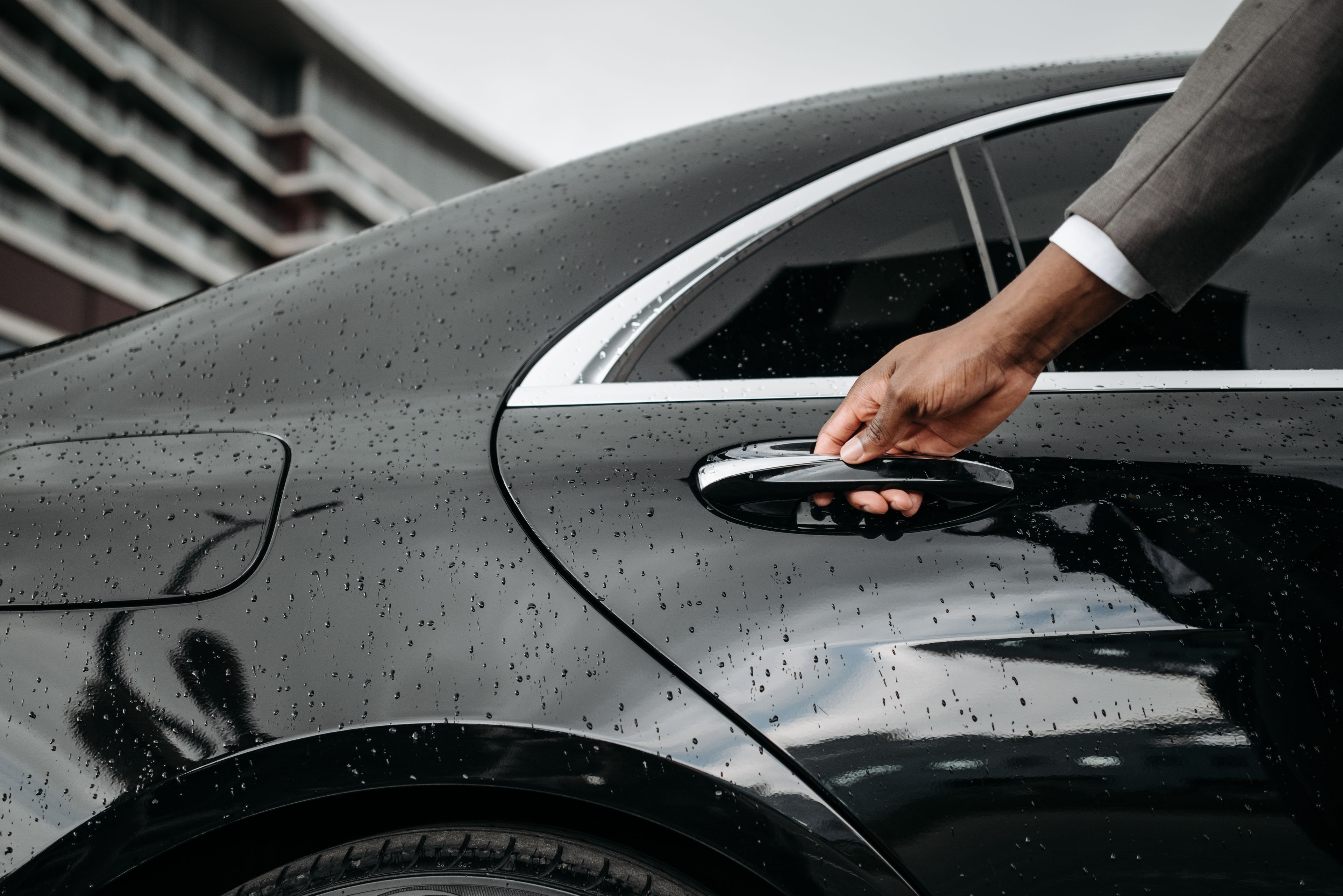
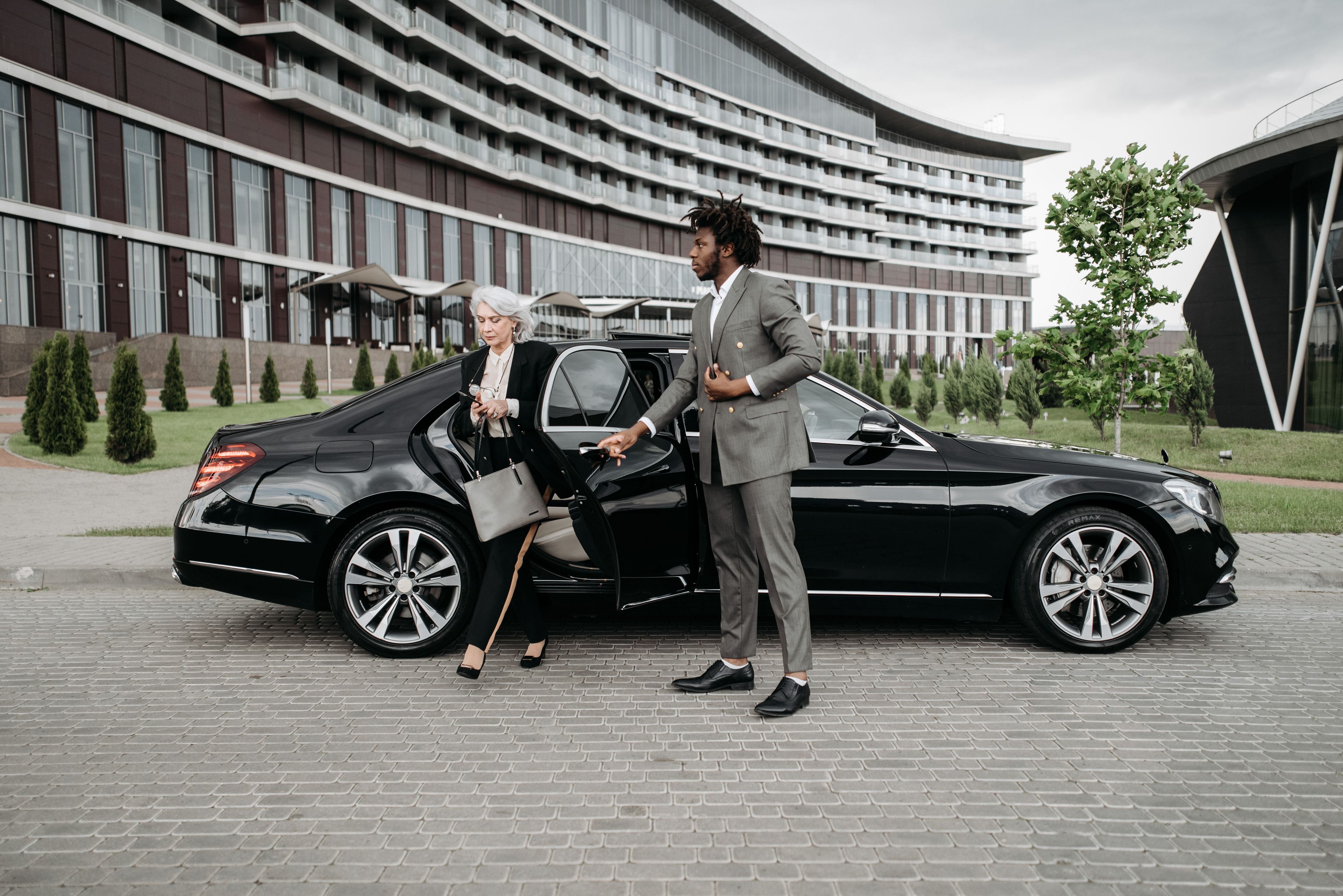
The answer is a marshalling plan agreed in advance: a holding point near the venue, an agreed order in which cars come forward, someone inside who signals when a group is ready, and a named contact for each vehicle. It is unglamorous and it is the single thing that makes the difference between guests waiting in the rain and guests stepping straight into a car.
- Passenger names and which vehicle each group travels in
- Collection points, which are often several different hotels
- A realistic departure window rather than an optimistic single time
- A named on-site contact who can signal when a group is ready
- Whether the same cars return guests at the end of the evening
- Any vehicle preferences for senior guests or a principal party
Where the constraints really are
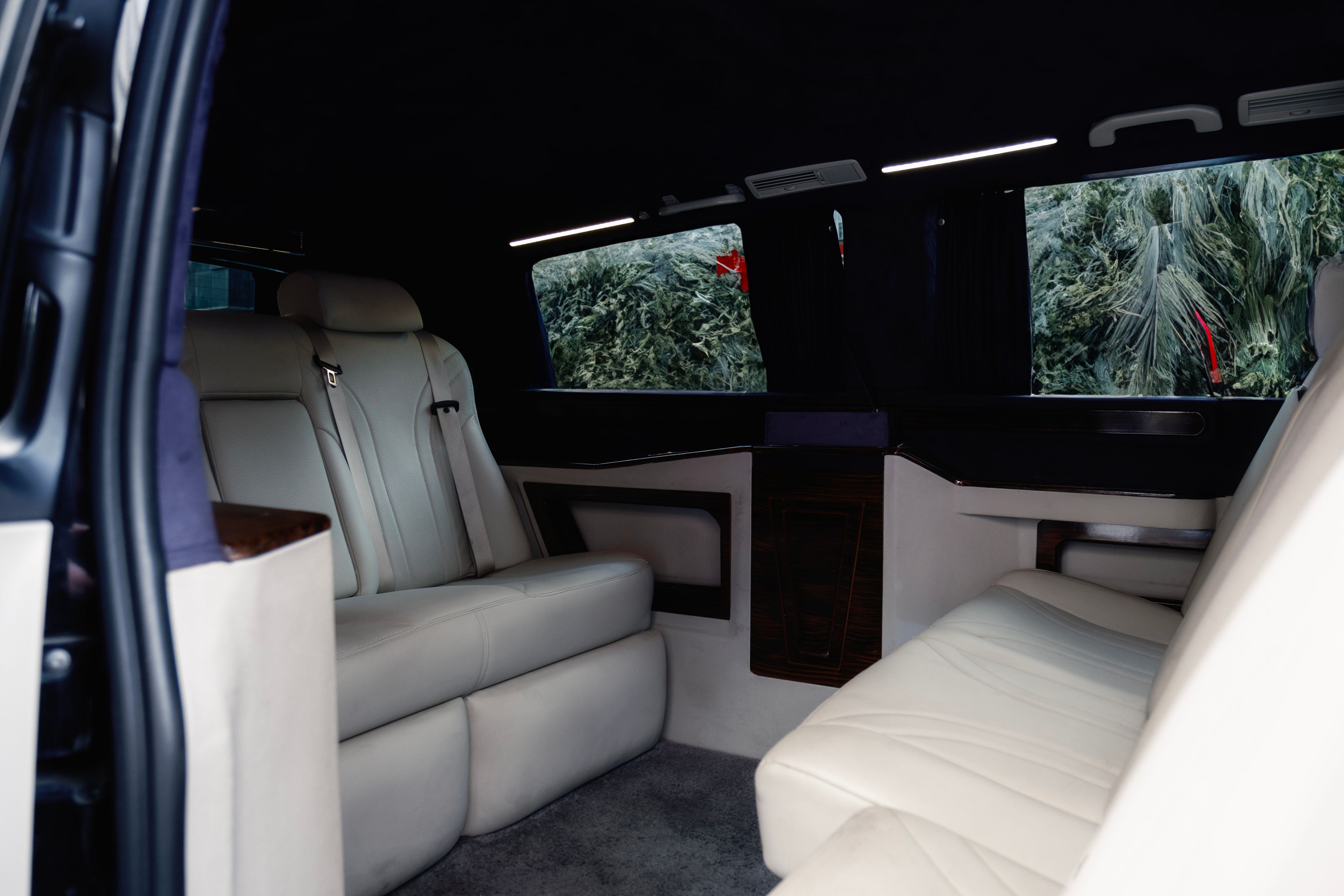
Notice is the first. Several executive saloons on a Tuesday can often be arranged quickly; a matched set of eight identical vehicles on a Saturday in the summer season is a different problem entirely, because supply of any particular model on a given date is finite and the event calendar concentrates demand on the same nights.
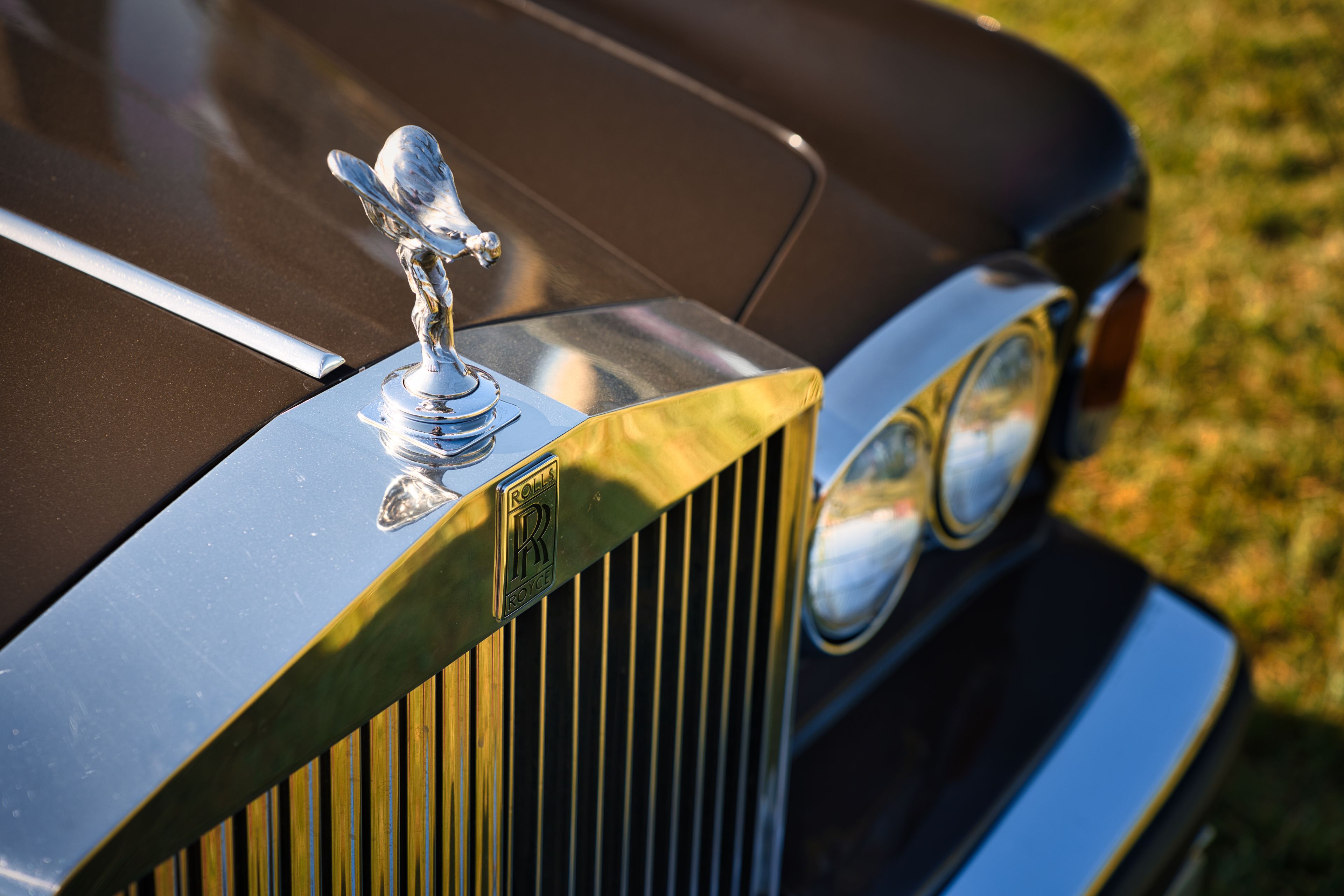
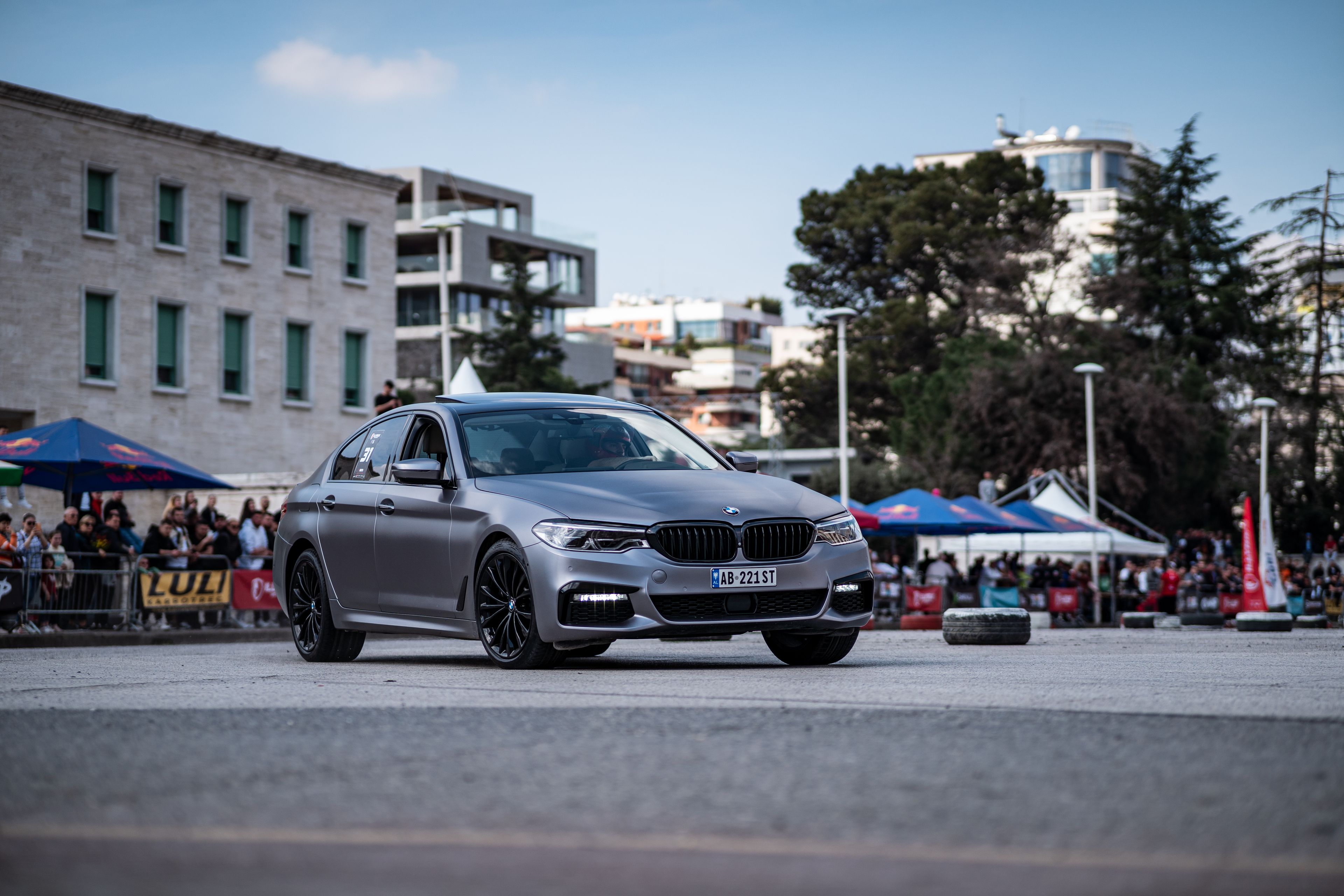
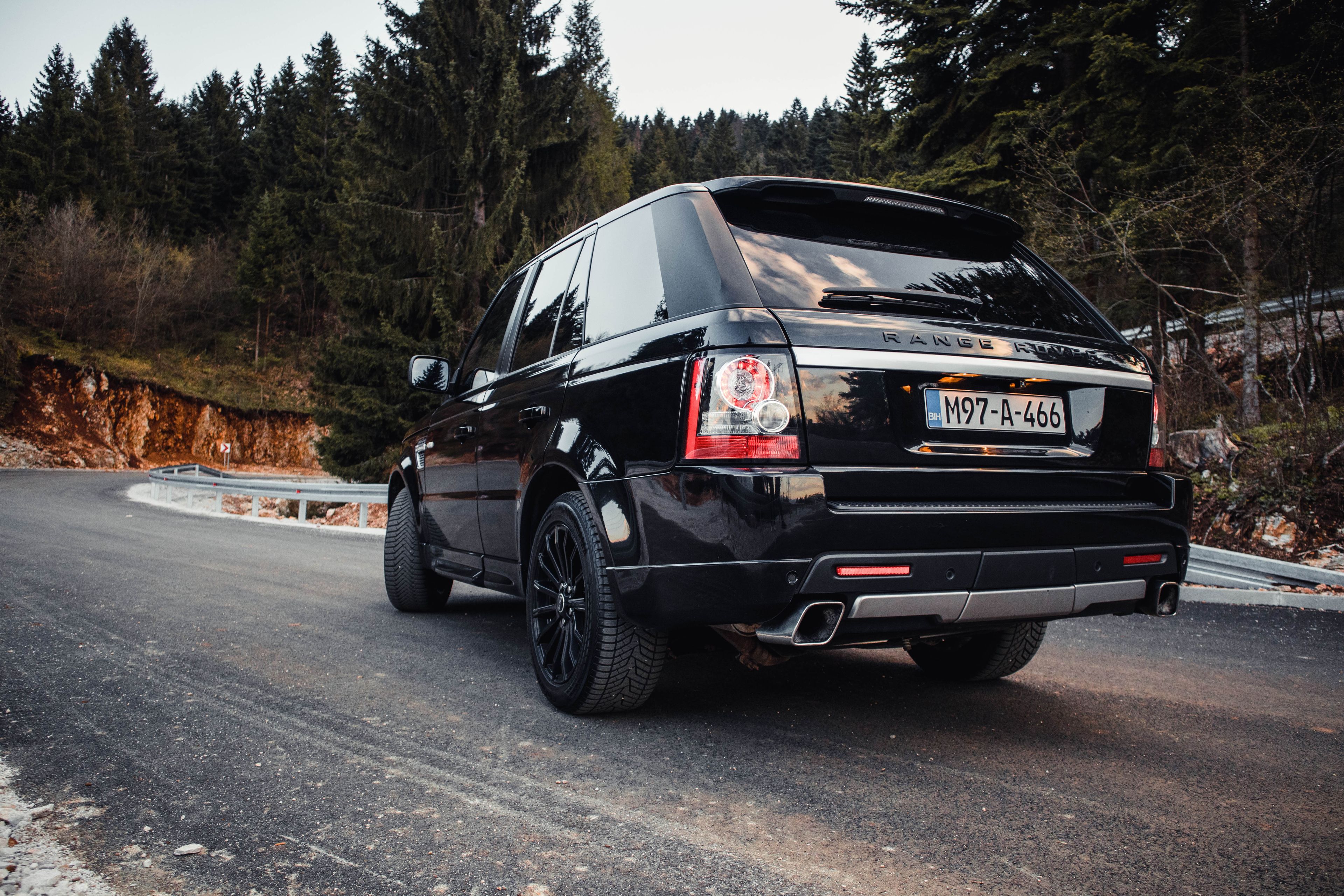
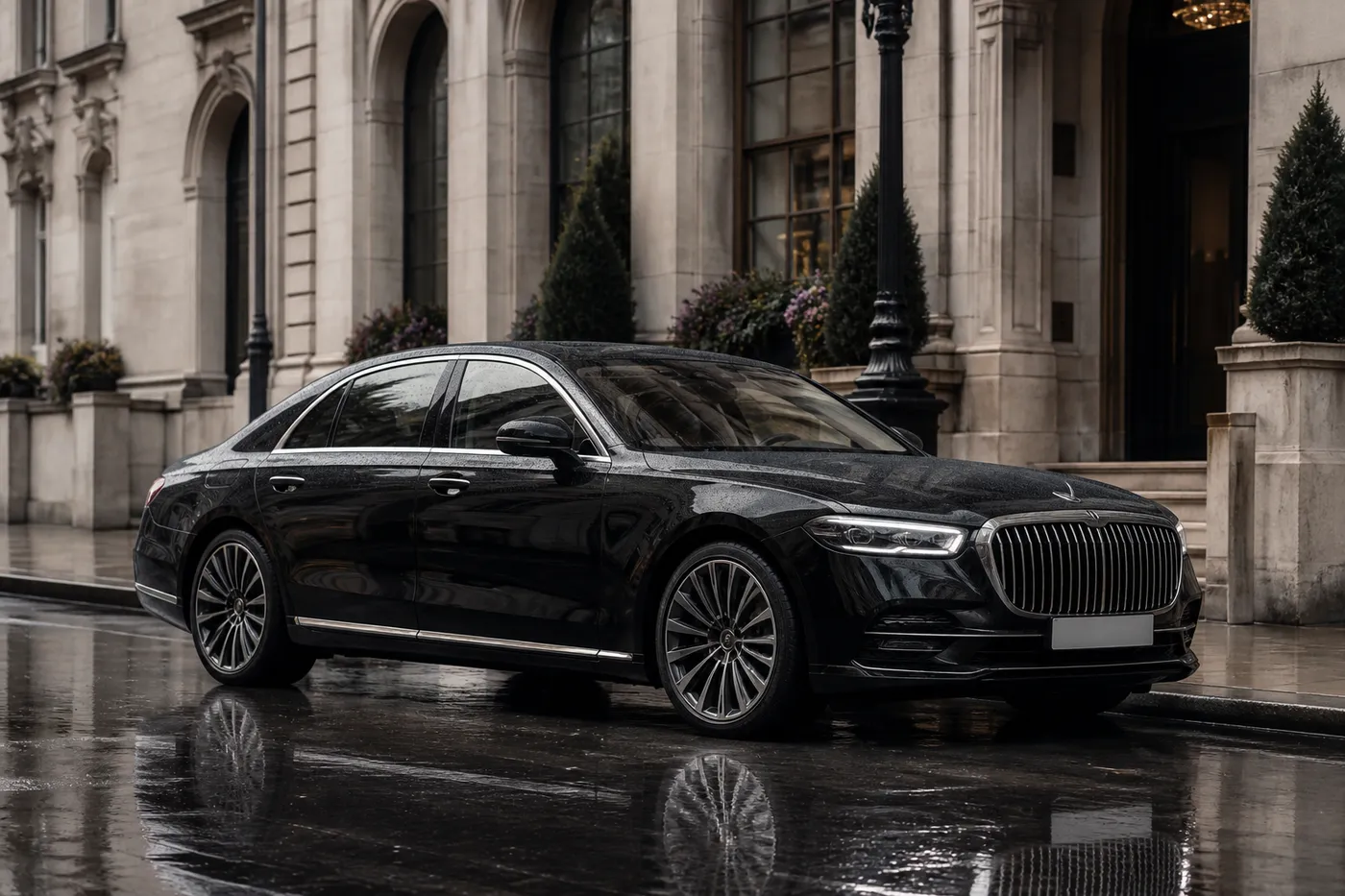
Matching is the second. Clients often want the cars to look alike outside a venue, which is reasonable and worth asking for, but it narrows the pool considerably. If uniformity matters more than the specific model, say so, because we can usually match on colour and class more easily than on badge. Everything is confirmed in writing before you commit either way.
Getting a proposal that holds up
Send the shape of the event as early as you have it, even if the numbers are still moving: the date, the venue, the rough headcount, where people are coming from and what time things end. A first written response will tell you what is realistic and what needs decisions, which is far more useful than a polished quotation for a plan that was never going to work.
As the date approaches, changes are expected rather than resented. Guests drop out, flights move, dinner overruns. Keep the updates in the same thread and the plan is amended in one place, so that on the evening itself every chauffeur is working from the same version rather than from three different ones.