



Three hundred miles is a different proposition from thirty. The car matters more, the planning matters more, and the person driving has to be fresh at the end rather than merely willing. Most people booking a long journey for the first time want to know what actually happens in those hours, and whether the arrangement holds together when the motorway does not. This page follows one from beginning to end.
You will find the practical detail here rather than the sales case: the questions asked at the enquiry stage, how breaks are built into the timings, what the cabin is like when you want to work or sleep, and where the legal limits on driving sit. Where something is your decision rather than ours, that is flagged plainly so nothing arrives as a surprise at junction twenty.
The questions that shape a long journey
Two addresses and a date are enough to begin, but a long run is planned around a few extra things. We want to know when you need to arrive rather than when you would like to leave, because on a four-hour route those are very different instructions. We ask whether the journey is one way or a return on the same day, and whether anybody in the party has a reason to break more often than the average.
The other early question is what you intend to do with the time. A passenger who plans to sleep wants a different vehicle, a different route and a different cabin temperature from one who will be on calls the whole way. Saying so at the start costs a sentence and changes several decisions downstream, none of which are easy to reverse once the car is loaded and moving.
What the written quotation covers
The document you receive back sets out the vehicle class we recommend for the distance, the departure and expected arrival times with honest margin in them, the outline of the route including any planned stop, and the terms that apply to your particular booking. It also states plainly whether the distance can be covered by one chauffeur or needs two, because that is a legal question rather than a matter of willingness.
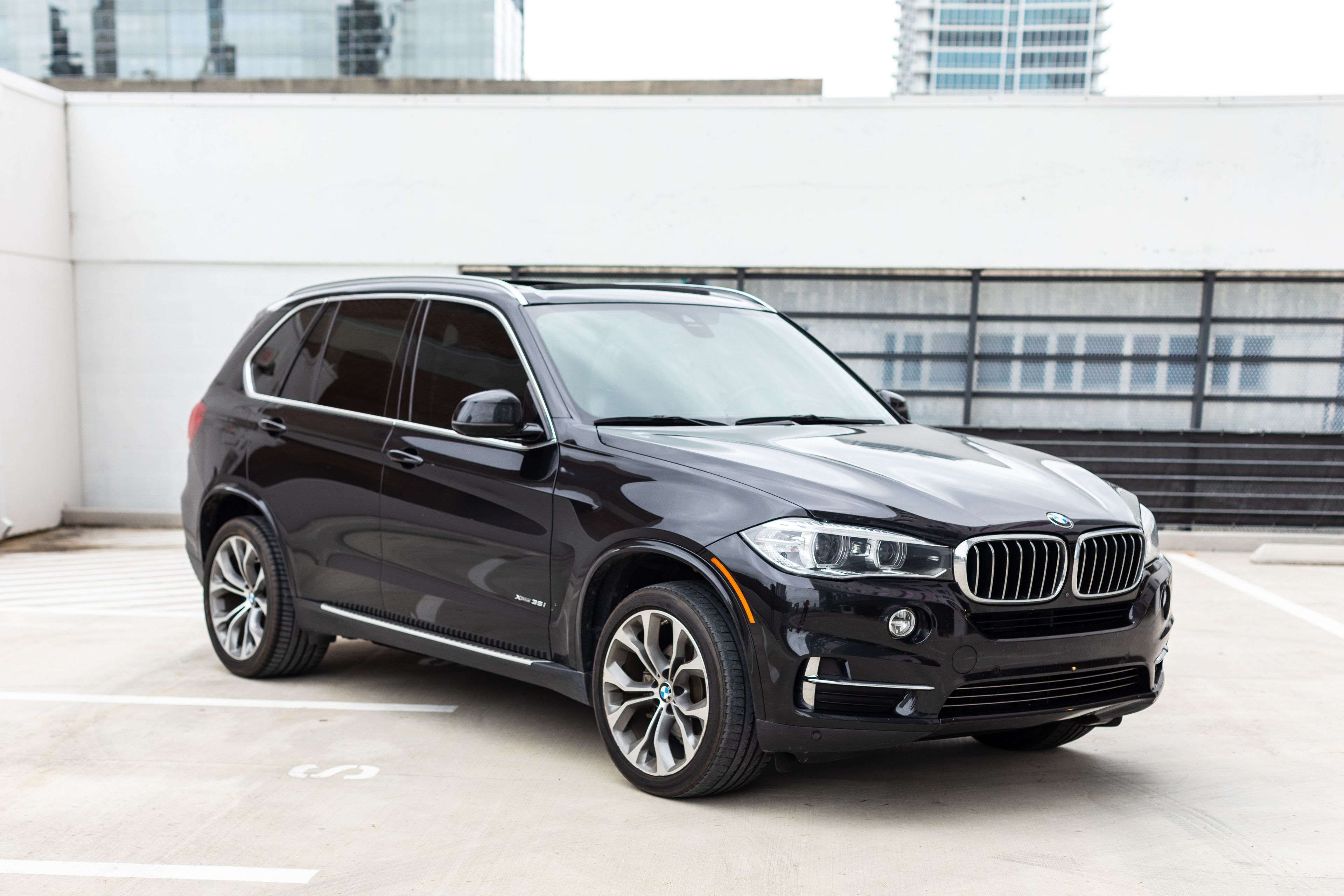
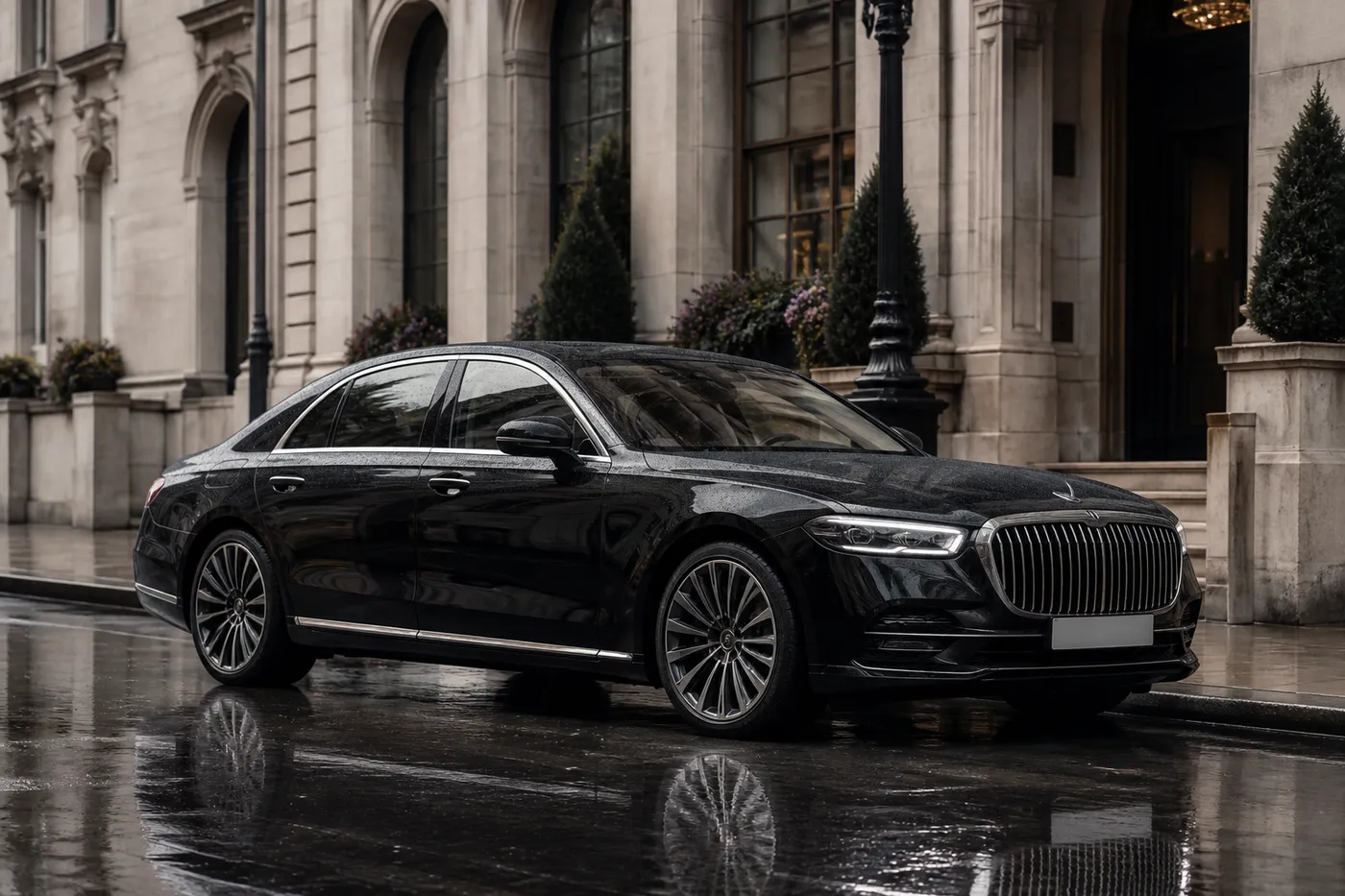
Vehicles are drawn from our own cars and from a vetted network of professional chauffeur operators, so the quotation describes a class and a specification rather than a registration plate. Model, colour and exact specification are subject to availability and are confirmed at the point of booking. If rear legroom or a reclining seat is the reason you are booking at all, say so early and we will tell you honestly what can be held for the date.

Collection, loading and the first hour
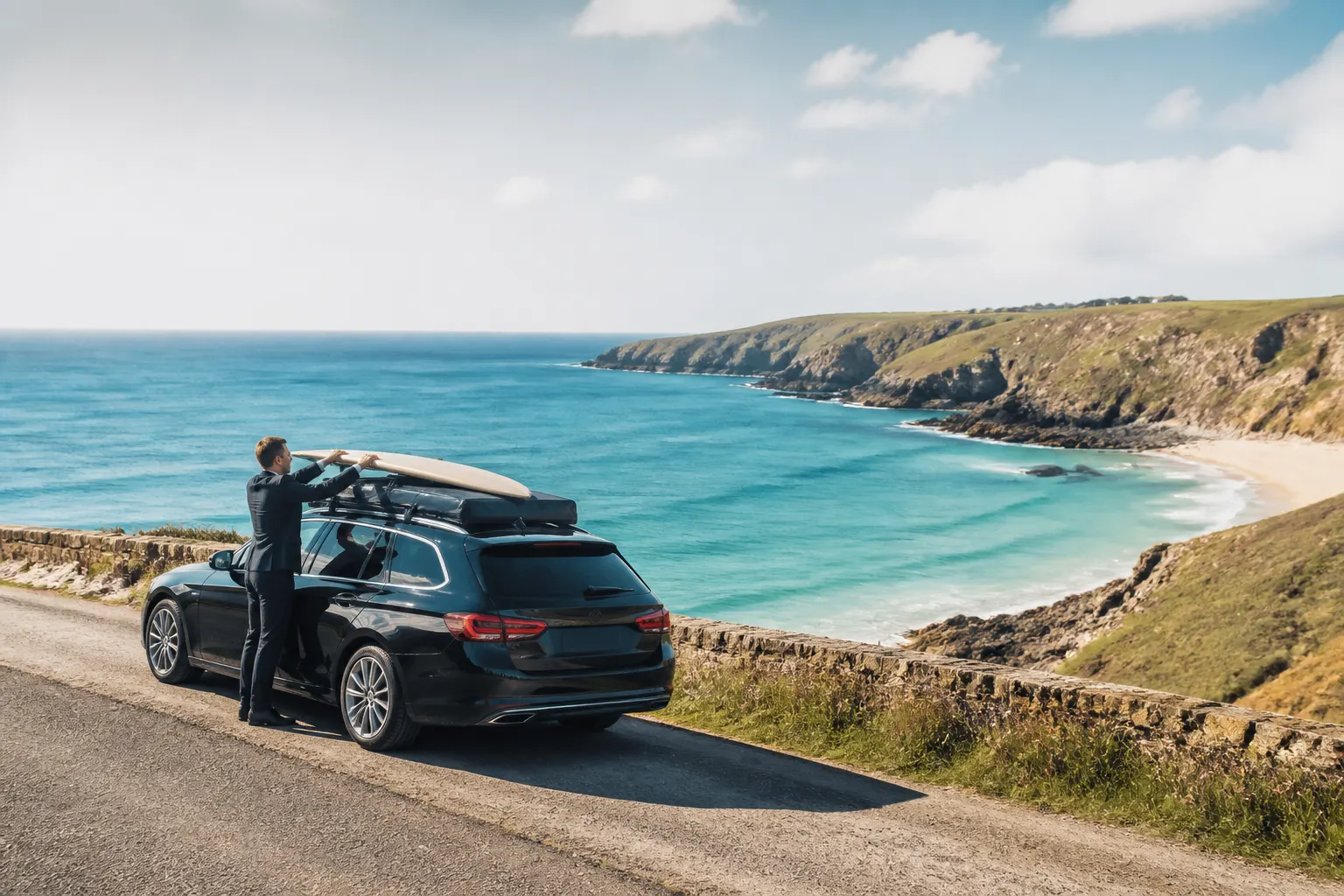
Your chauffeur arrives ahead of the agreed time and positions the car so that the boot opens on the pavement side rather than into traffic. Cases go in before you come out. On a long run he will ask once, at the start, whether you want anything kept within reach in the cabin, because rummaging in a boot on a hard shoulder is not something anybody enjoys.
The first hour tends to set the tone for the rest. Temperature is confirmed, the rear blinds are offered if the sun is on that side, and the route for the leg is explained in a sentence so you know roughly where you will be when. After that the cabin settles. Most long journeys go quiet within twenty minutes of joining the motorway and stay that way until somebody says otherwise.
If you would rather not talk at all, say nothing and nothing will be asked of you. A chauffeur who has driven long distances for years reads the difference between a passenger who is thinking and one who is waiting to be spoken to, and errs toward silence in both cases. The same applies to the radio, which stays off unless somebody asks for it.
How breaks are built into the plan
Rest stops are agreed rather than improvised. On a run of three hours or more we will propose at least one, positioned where there is somewhere decent to stand rather than simply where the next services happen to fall. You are free to decline it and run straight through, though your chauffeur will still take his own short break somewhere, because that is how the driving-hours rules work.
Families travelling with young children usually want something more frequent, and it is far better to place those stops on a map beforehand than to hunt for one when a child has decided the matter for you. The same applies to anyone travelling with a medical need, a pet or limited mobility. Tell us which of those applies and the stops go into the plan rather than into the day.
- A planned coffee stop somewhere better than a motorway service area
- Shorter, more frequent halts where young children are travelling
- A fuel or charging stop, which we place so it does not add to your time
- The chauffeur's own legally required break, taken while you are stopped
- A collection or drop-off en route if somebody is joining part of the way
Working, sleeping and everything between
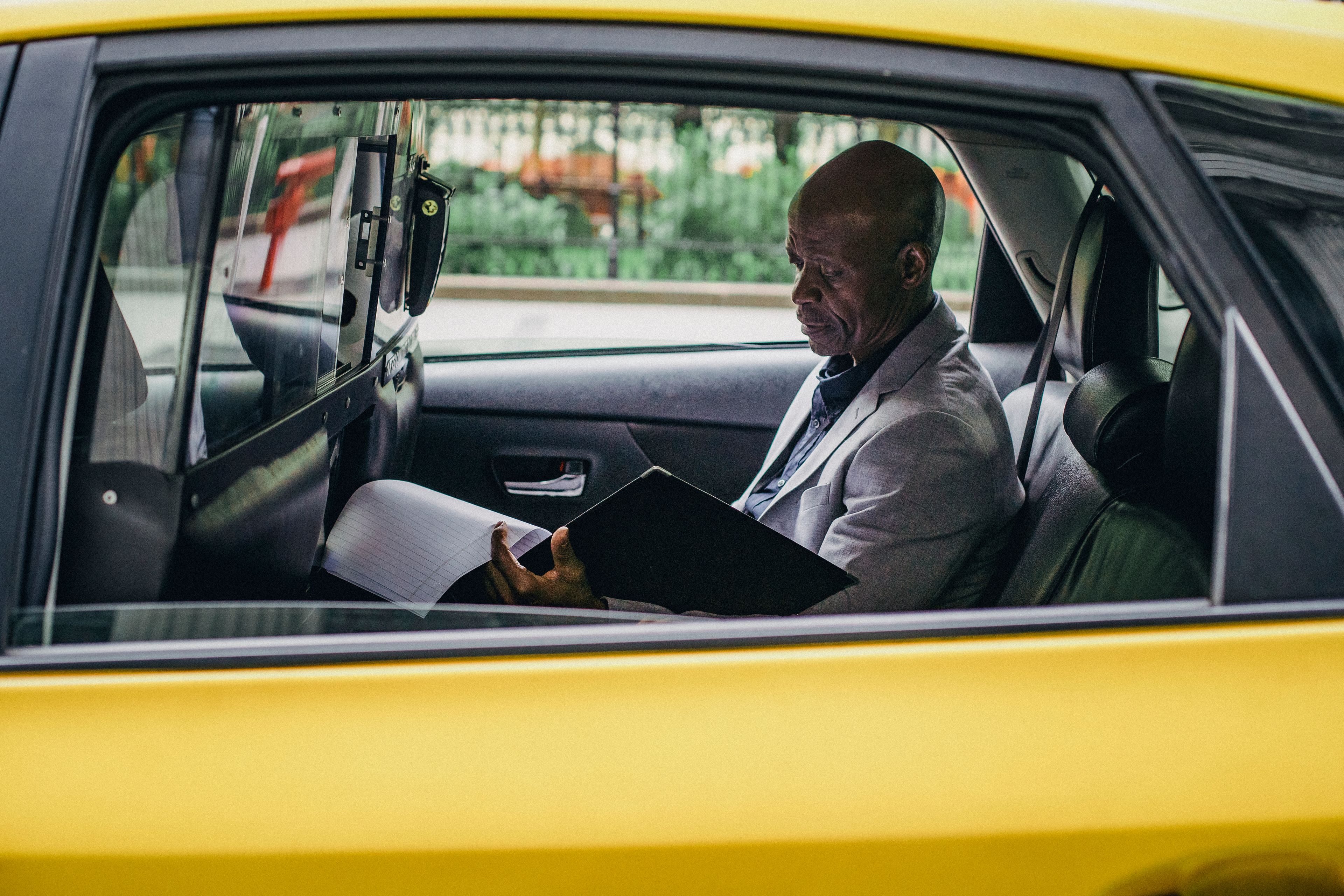
A long journey is one of the few genuinely uninterrupted blocks of time most people get, and the cabin is set up to make it usable. Power is available for a laptop or a phone, the rear seats in the larger saloons recline enough to sleep properly, and acoustic glazing on the flagship cars keeps motorway roar low enough for a call to sound like an office rather than a car.
There are practical limits worth knowing. Mobile coverage across parts of the Pennines, mid-Wales and the Highlands is unreliable regardless of network, so a call scheduled through those stretches will drop. If a fixed conference call matters, tell us and the route or the timing can often be adjusted to keep you in signal for it. It is a small change to make in advance and an impossible one to make afterwards.
For sleeping, ask for the blinds and a slightly cooler cabin at the start rather than halfway through. Waking up ten minutes short of the destination is the aim, and a chauffeur who has been told that will bring you round gently rather than announcing arrival at the door. Nobody will hold a conversation across a sleeping passenger either.
Arriving, and where the role ends
At the far end your chauffeur will find the actual entrance rather than the postcode, which on country houses, farm estates and new developments is frequently a different thing. Bags are carried to a door, a reception desk or a lift. If you are being met by somebody, he will wait until you are with them rather than pulling away the moment the boot is closed.
A few things sit outside the role and are better known in advance than discovered at the kerb. None of them are refusals of principle; where a request falls outside what a chauffeur can properly do, we will usually be able to suggest how to arrange it another way instead. Knowing where the edges sit makes the whole arrangement more dependable rather than less.
- Driving beyond the legal hours limit to save an overnight stay
- Carrying goods or documents onward once you have left the car
- Loading items that exceed the safe capacity of the vehicle
- Continuing in conditions the chauffeur judges genuinely unsafe
- Taking a return leg the same night when the outbound has run long