





The words get used loosely, which is understandable, because from the pavement a black cab, a private hire car and a chauffeur saloon all look like somebody else doing the driving. Underneath, they are three different arrangements with different rules, different economics and different expectations, and knowing which one you want makes the difference between a journey that suits you and one that merely happens.
The distinctions below are practical rather than pedantic. They govern whether you can put your hand out in the street, whether a price is agreed before or discovered afterwards, how far in advance you need to think, and what the person driving is likely to do when the plan changes at short notice. None of the three is better in the abstract.
Hackney carriages and private hire
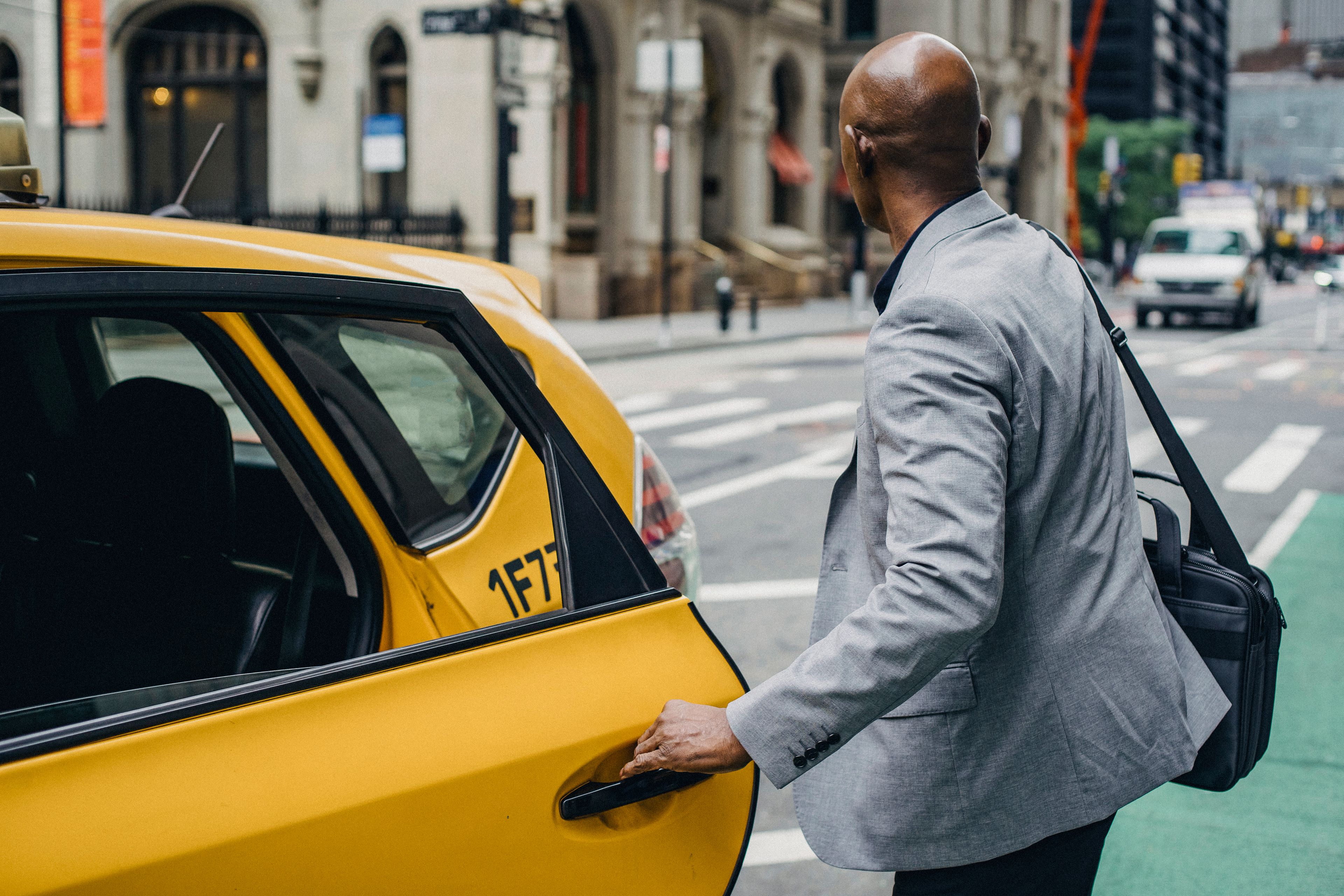
British licensing generally divides the trade in two. Hackney carriages, which most people call taxis or black cabs, may be hailed in the street and may wait on ranks. Private hire vehicles may not: they have to be booked through a licensed operator beforehand, which is the arrangement almost every chauffeur company works within. The dividing line is the booking, and it exists in law rather than as a matter of style.
That single distinction produces most of the visible differences. A taxi is available to whoever reaches the door first, so it is optimised for immediacy: a meter, an accessible cabin, a driver who has passed a knowledge assessment set by their authority. A private hire car is allocated to a named person for a stated journey, so it can be optimised for that person instead, which is what chauffeur work builds upon.
Chauffeuring sits above private hire
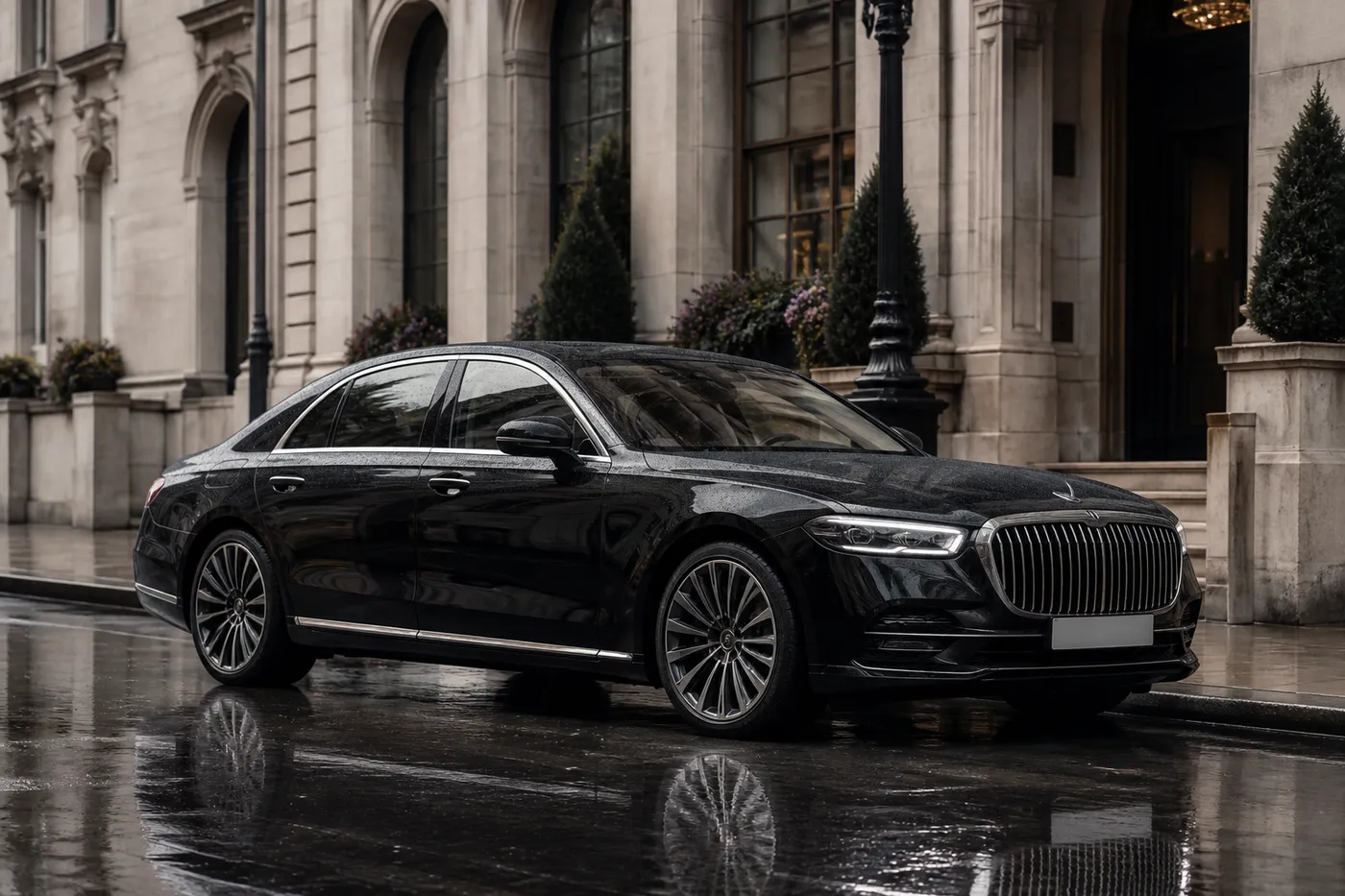
Every chauffeur working legitimately is operating under private hire rules, but not every private hire driver is chauffeuring. The licence is the same family of permission. What differs is everything the licence does not describe: preparation before the journey, presentation of the car and the person, discretion during it, and a willingness to absorb the awkward parts of a day rather than pass them back to the passenger.
In practice a chauffeur has looked at the route before setting off, knows which entrance you will emerge from, has the car facing the right way, and is standing by the door before you reach it. A capable private hire driver arrives when the app tells them to and takes you where the app says. Both are doing an honest job. Only one of them is arranging the journey around you.

How the money is structured
Taxis run on a meter set by the licensing authority, which means the fare is a function of distance, time and the traffic you happen to meet. It is transparent and it is fair, but it is unknown until you arrive, and on a bad afternoon it moves against you exactly when the journey is already going badly. You are, in effect, carrying the traffic risk yourself.
Private hire and chauffeur work is normally quoted in advance for a defined journey, so the figure is agreed before anybody sets off and traffic becomes the operator's problem rather than yours. Chauffeur bookings are also frequently arranged by the hour or the day, with the car held for you between stops, which is an entirely different commercial shape from paying for a series of separate journeys.
What changes inside the car
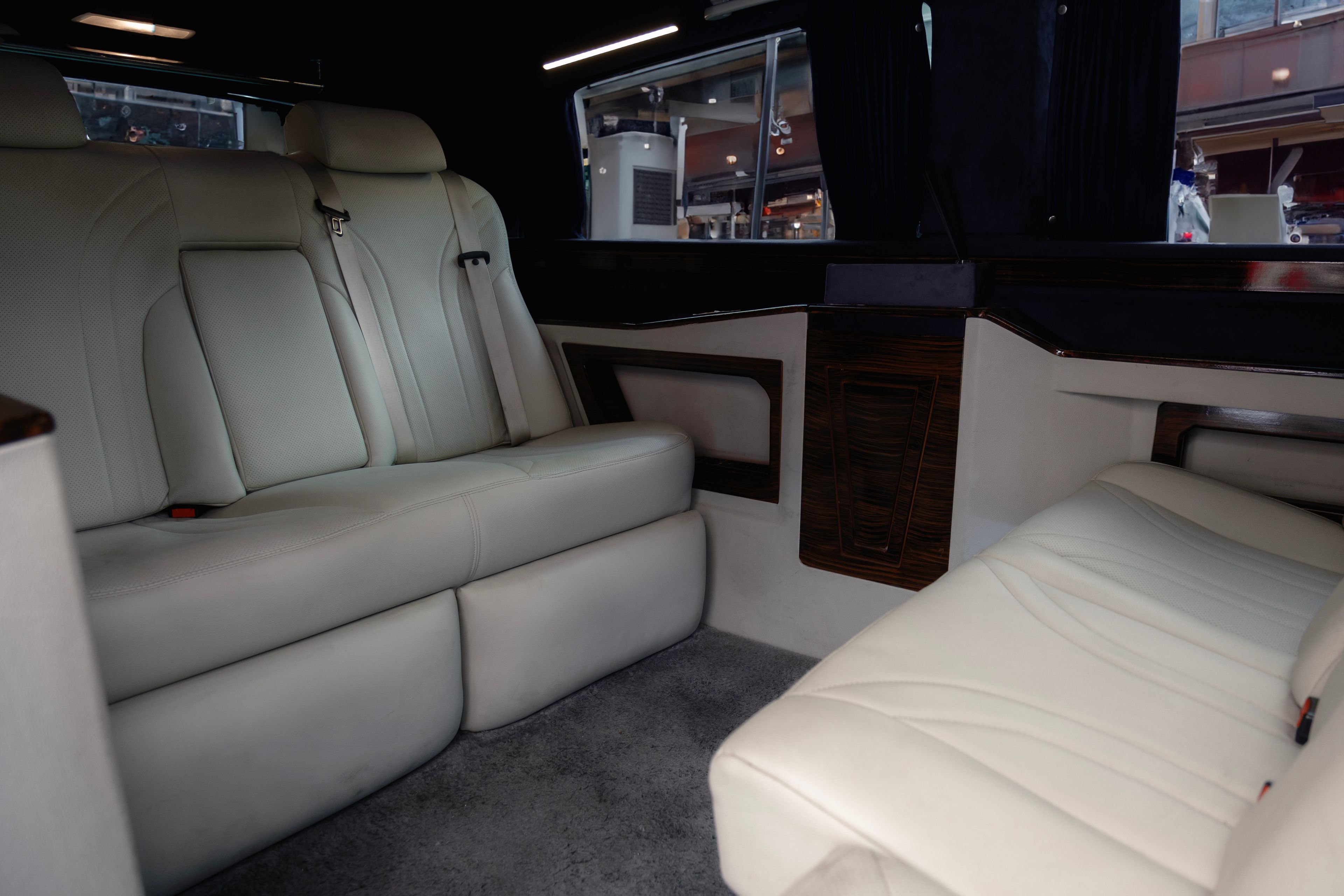
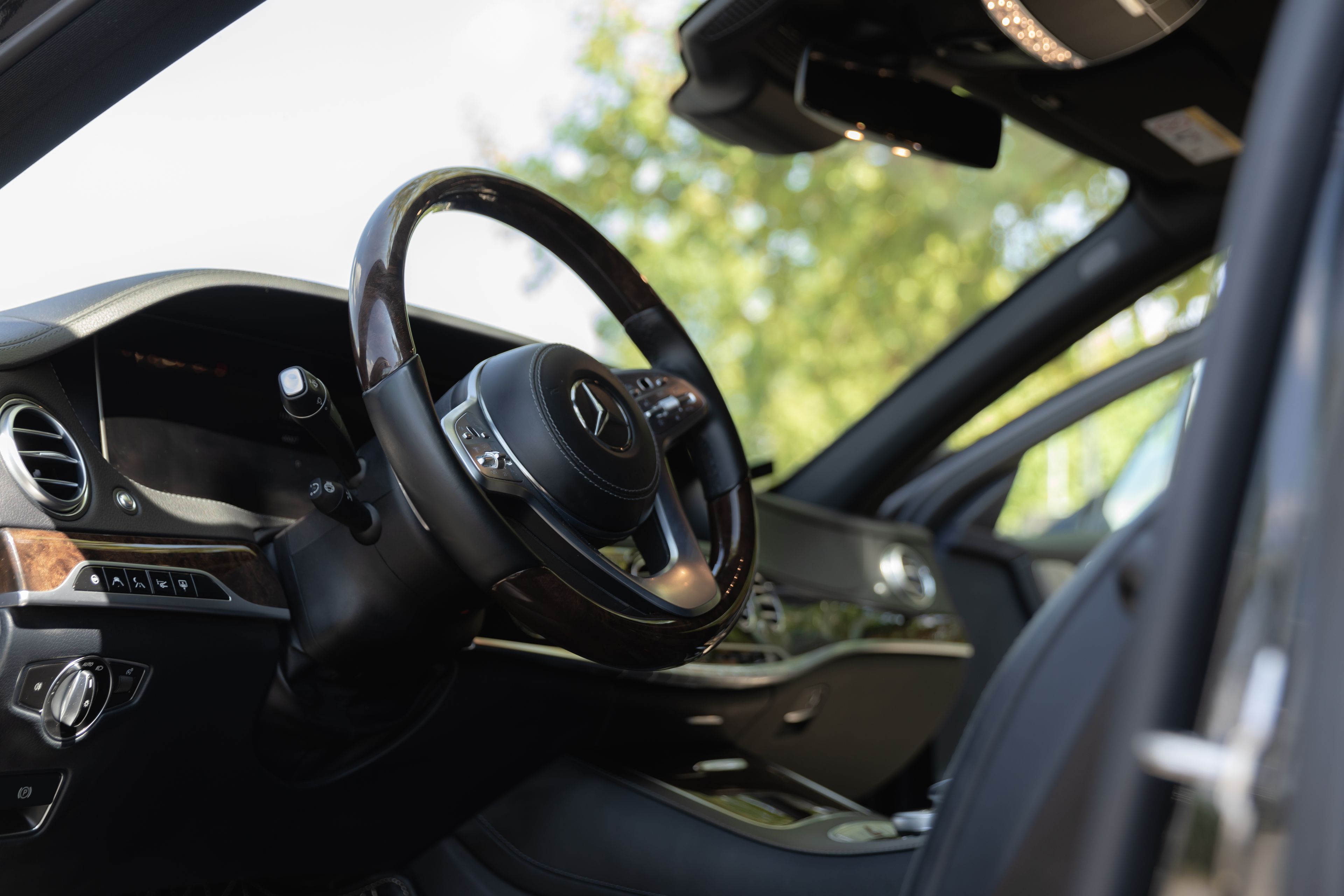
The interior differences are quieter than the marketing suggests but they are real. A chauffeur car is cleaned before each journey rather than at the end of a shift, carries no advertising or company branding, holds still water within reach, and is set to the temperature you asked for rather than the one the driver prefers. Nothing about that is dramatic. Cumulatively it changes how an hour in a car feels.
Behaviour matters more than fittings. A chauffeur reads within the first half minute whether you want conversation or silence and behaves accordingly for the rest of the journey. They do not remark on where you have been, who was in the car or what was said in it. They open a door and step back rather than hovering. These are trained habits rather than personality, and they are the substance of the service.
When a taxi is the better answer
There are plenty of journeys where a licensed taxi beats a chauffeur car comfortably, and we would rather say so than take a booking that does not serve you. A ranked cab is available now, is designed for a wheelchair user to board without a special arrangement, and does not need to be organised the day before. Immediacy is a real advantage and pre-booking cannot compete with it.
The distinction is roughly whether waiting has value to you. If nobody needs to be standing there when you emerge, and the journey is one short hop, the taxi wins. If somebody being there regardless of how long you are held up is the whole point, the pre-booked car wins. The situations below fall clearly on one side of that line, which is why they are worth recognising before you start arranging anything.
- A single short journey with no luggage at an off-peak hour
- A departure time you genuinely cannot predict in advance
- A wheelchair user needing to board without a pre-arranged vehicle
- Any moment when a rank is twenty paces away and empty
- A late change of plan where nothing has been booked anyway
Choosing between them sensibly
Most people who use both settle into a simple pattern. Taxis handle the unplanned parts of the day: the unexpected second meeting, the walk that turned out to be longer than it looked, the rain. Chauffeur bookings handle the fixed points where the cost of a failure is high, which usually means airports, long distances, multi-stop days and evenings that finish somewhere with no cabs outside.
If you are unsure which a particular day needs, describe the day rather than asking for a car. We would rather tell you that a black cab will do the job better and keep the conversation for the journey that genuinely needs a chauffeur than book something you did not require. Send the outline of the day over WhatsApp or email and we will say which parts of it are worth a booking.