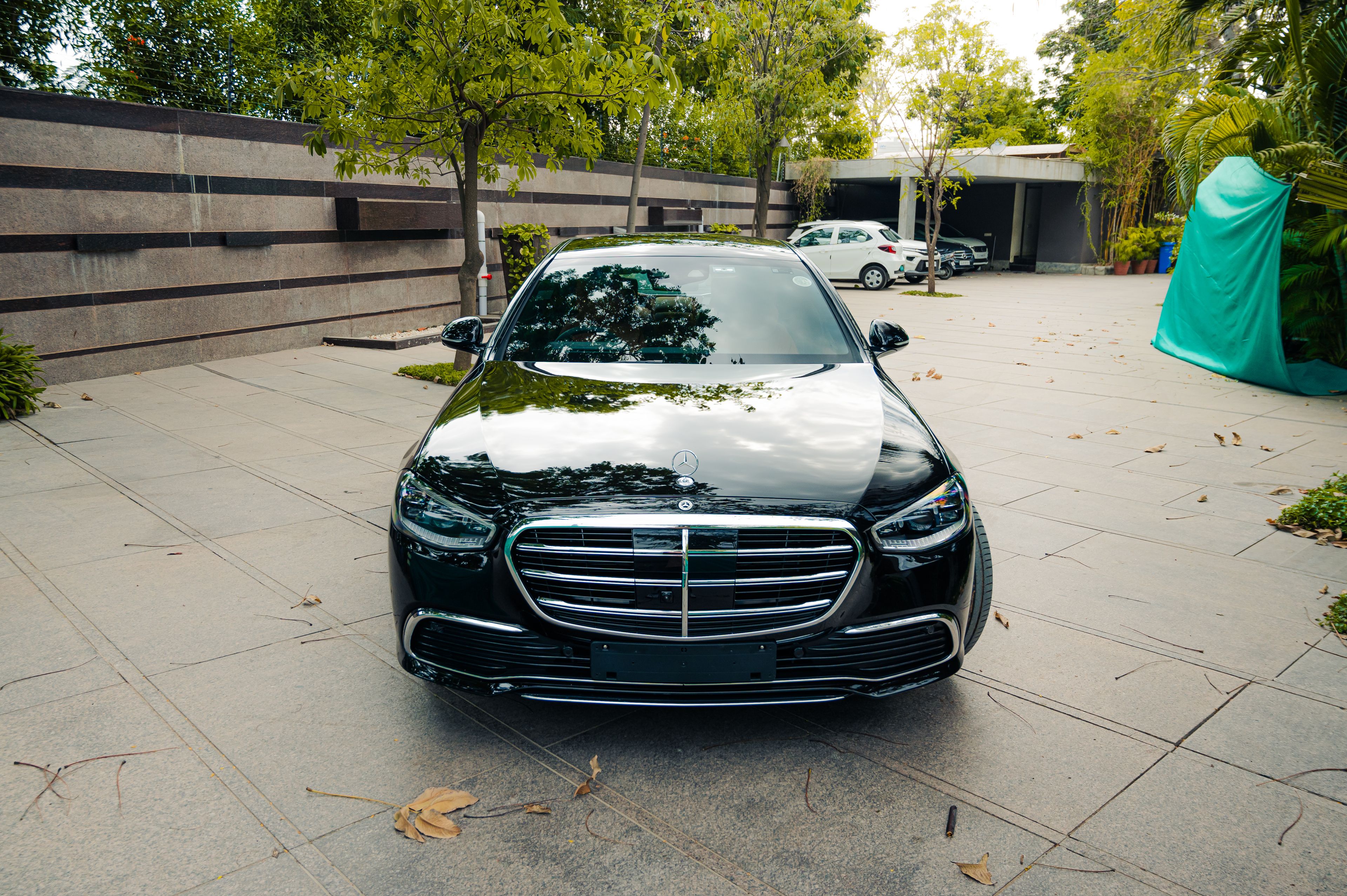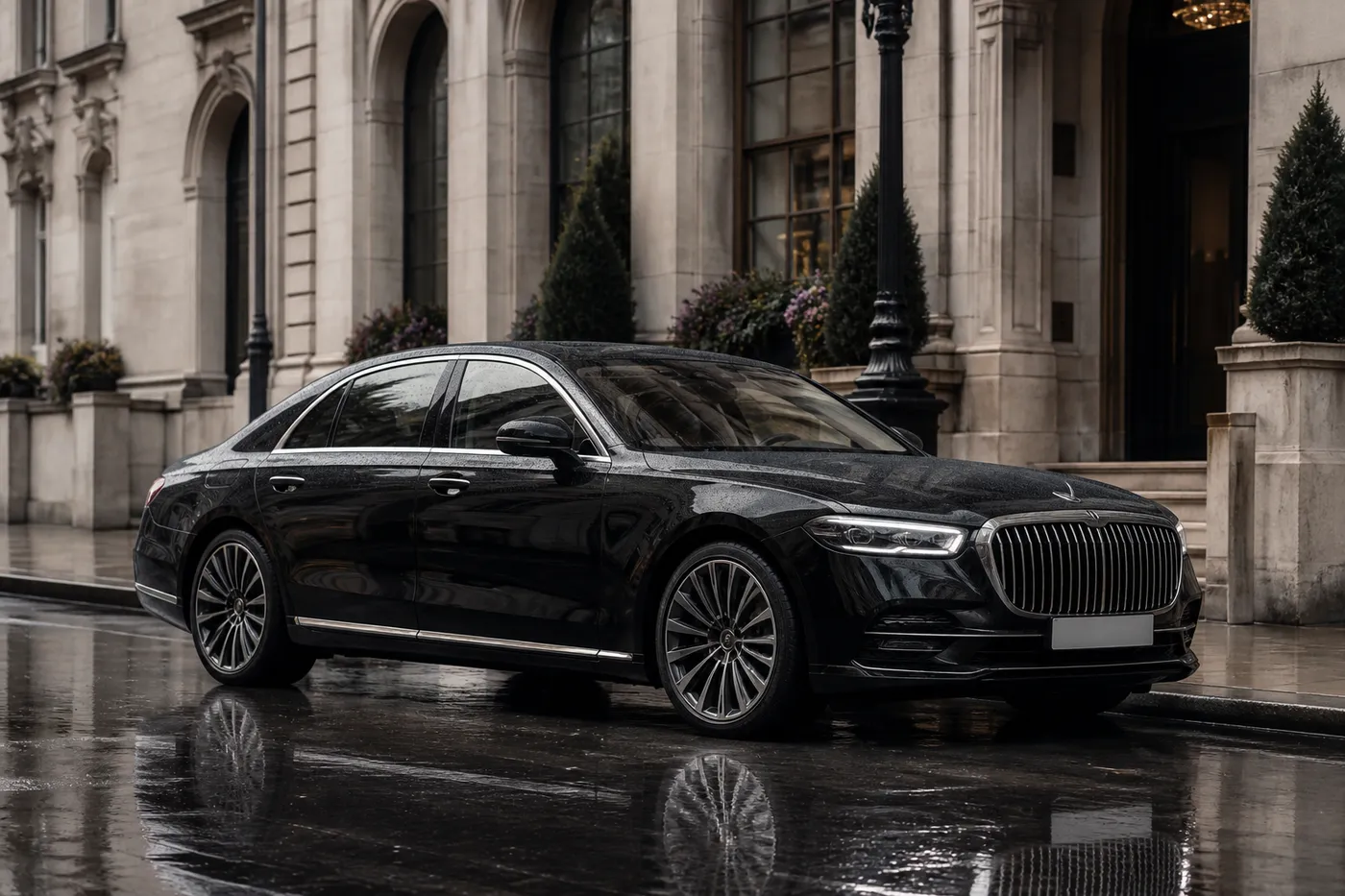



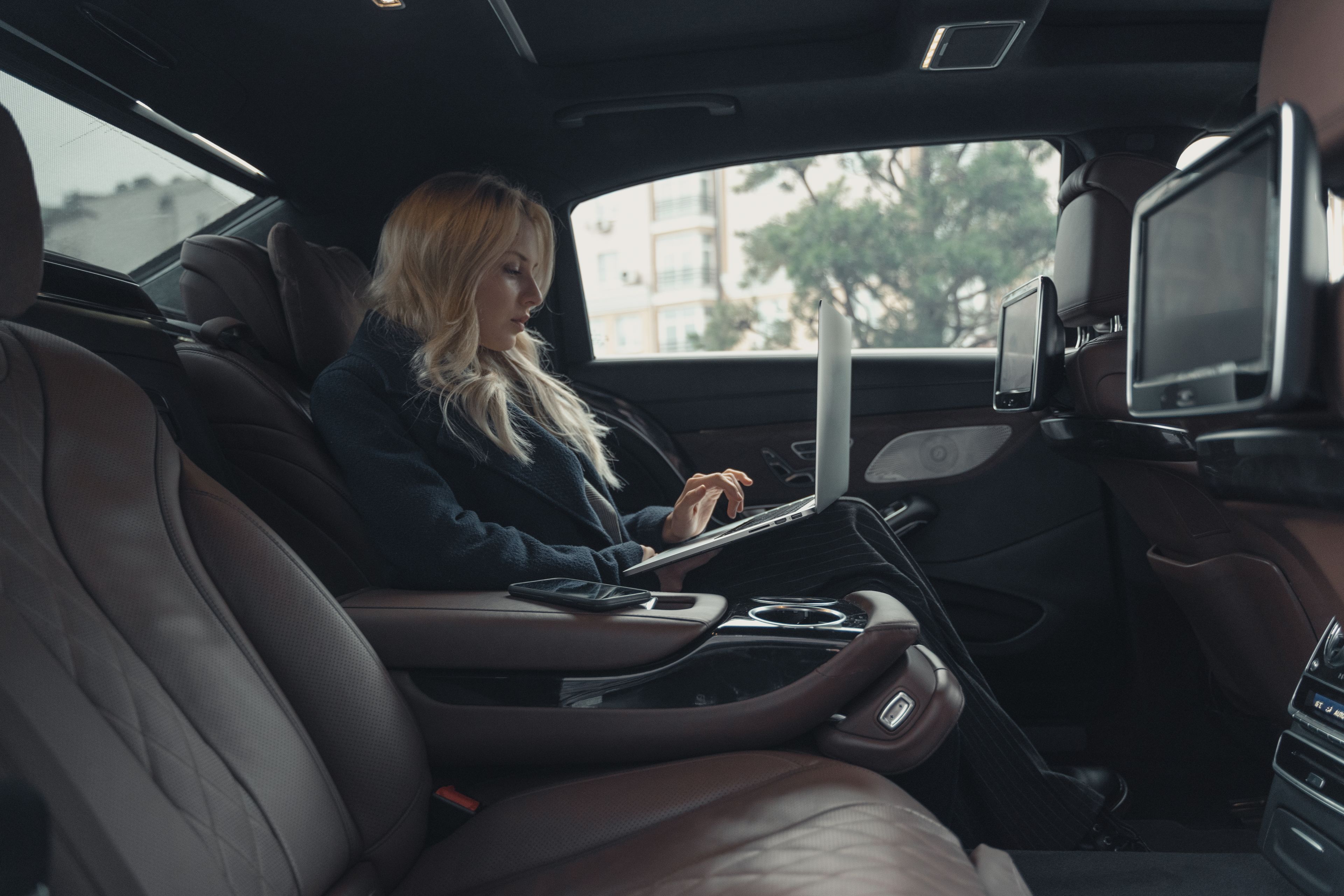
A Mercedes-Maybach is not simply a longer version of the saloon most people picture when they think about chauffeur travel. It is a rear-seat car first and a driver's car second, built around the two people sitting behind rather than the one at the wheel. That reordering of priorities explains almost everything about how the car is arranged, and why the quotation behaves unlike an ordinary executive booking.
Nothing on this page carries a figure, because any figure printed here would be wrong for most readers before they reached the end of it. What follows instead names the variables that actually move a Maybach quotation, roughly in the order they matter, and is candid about the journeys where the car earns its place and the ones where it does not.
What the car is built to do
The Maybach line takes the flagship Mercedes saloon, stretches the wheelbase and spends almost all of that additional length on the rear compartment. Reclining individual seats, a great deal more legroom, separate climate control for the back and heavier acoustic glazing are the usual consequences. Specification varies between cars and between model years, and the exact vehicle, colour and trim offered to you are always subject to availability on your date.
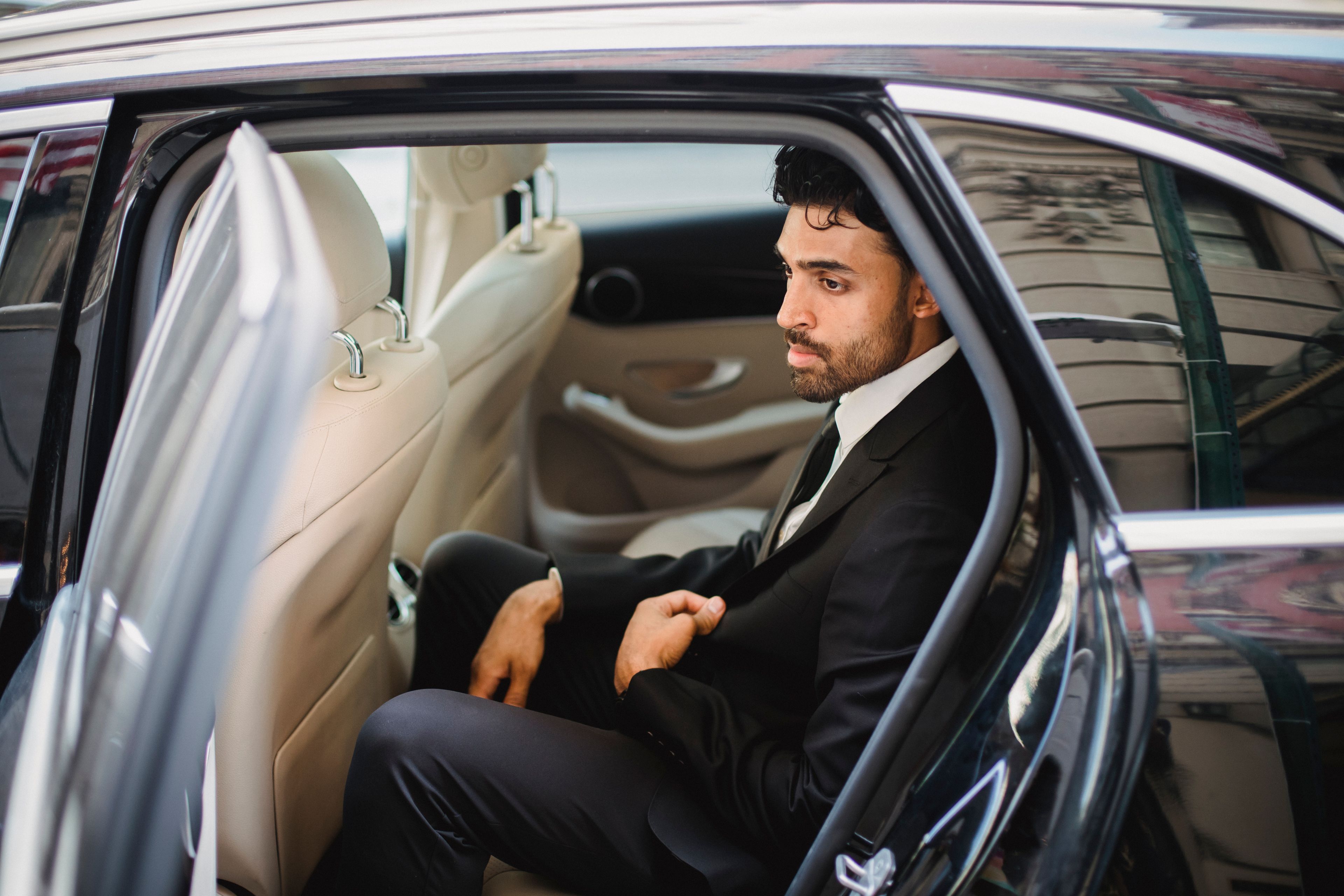
From a passenger's point of view the result is a car in which two hours feels restful rather than merely tolerable. You can work through papers, sleep properly, or hold a conversation at normal volume while the car is at motorway speed. Those are genuine engineering differences rather than marketing ones, and they are the reason the car exists in this form at all.
Scarcity does most of the pricing
The largest single variable is how few of these cars sit in professional service. An operator holding one has committed a substantial asset that cannot be casually redeployed, and it will stand unused between the occasions that justify it. Every hour of that standing has to be recovered from the hours the car is genuinely working, and that arithmetic sits underneath every quotation you will ever receive for one.
In practice this shows up as availability rather than as a conversation about money. On an ordinary Wednesday there is usually something suitable. On a Saturday in June, through the London summer event season, or across the fortnight before Christmas, the honest answer is often that the diary is already committed. Asking early is not a sales tactic in this corner of the market; it is the only reliable way of securing the car you had in mind.
- How many cars of this type are genuinely free on your chosen date
- Whether that date falls inside one of the compressed demand periods
- How far the vehicle must travel to reach your first address
- Whether you need a single movement or a held block of hours
- Whether a standard flagship saloon would serve the day just as well

Preparation is longer than you would think
A car of this kind is not washed and sent out. Presentation standards are higher because the vehicle is looked at as well as travelled in, and the preparation before a booking takes considerably longer than it does for a working executive saloon. Paintwork, glass, door shuts, the rear cabin and everything a passenger touches are all attended to, and that time is part of the job even though nobody watches it happen.
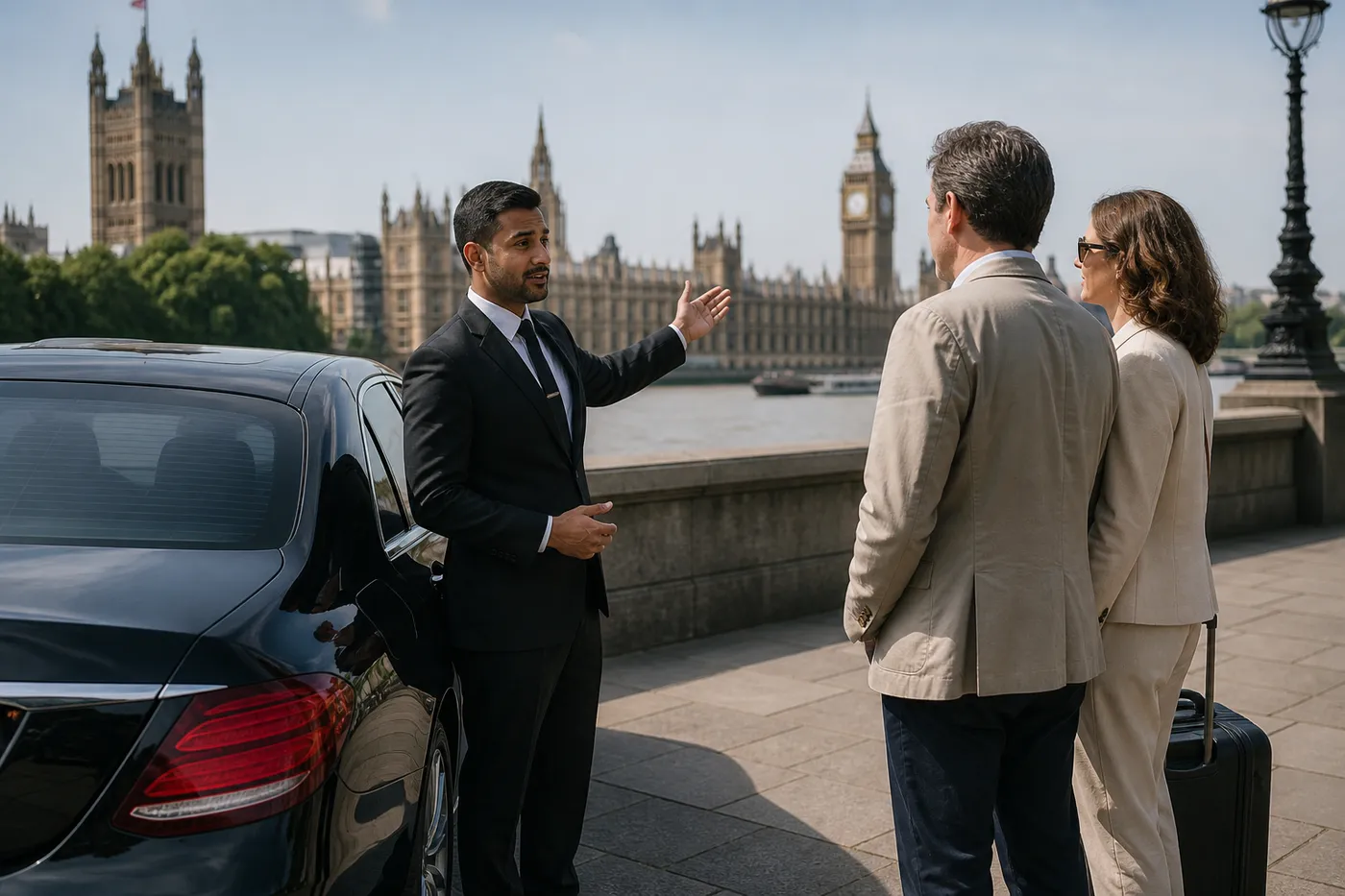
Chauffeur allocation narrows as well. Not every professional driver is put into these cars, and the ones who are tend to be the people with the steadiest hands and the surest instinct for placing a long saloon in a difficult forecourt without any drama. Matching the right person to the right car is part of what the arrangement quietly buys you.
The journeys where it earns its place
The Maybach makes most sense wherever the rear cabin is actually used. A long motorway leg with work to do, an arrival where the car forms part of the impression, a full day of appointments in which somebody needs restoring between them, a night landing followed by a two-hour drive home: in each of those the additional space converts directly into something the passenger feels.
It makes least sense on short urban hops. A quarter of an hour across a city centre uses none of what the car is for, and an ordinary executive saloon covers the same ground while placing more neatly at an awkward kerb. We would rather say that than quietly accept the larger booking, because a client who feels they overspent on a Tuesday tends not to ring back for the occasion that genuinely needed the car.
- Motorway journeys where two or more hours are spent seated
- Arrivals at which the car is part of the occasion itself
- Full days of appointments with little recovery time in between
- Collections after long-haul flights, when comfort beats speed
- Journeys where somebody intends to work or sleep en route
Access and the awkward last hundred yards
Length is the constraint that catches people out. An extended-wheelbase saloon needs more room to turn, more room to stand and a gentler approach angle than a standard car, and Britain is full of private driveways, mews entrances and listed hotel forecourts that were designed with neither in mind. A standard flagship saloon will slip into a space where the longer car simply cannot, and it is far better to know that a week beforehand than to discover it with the boot already open.
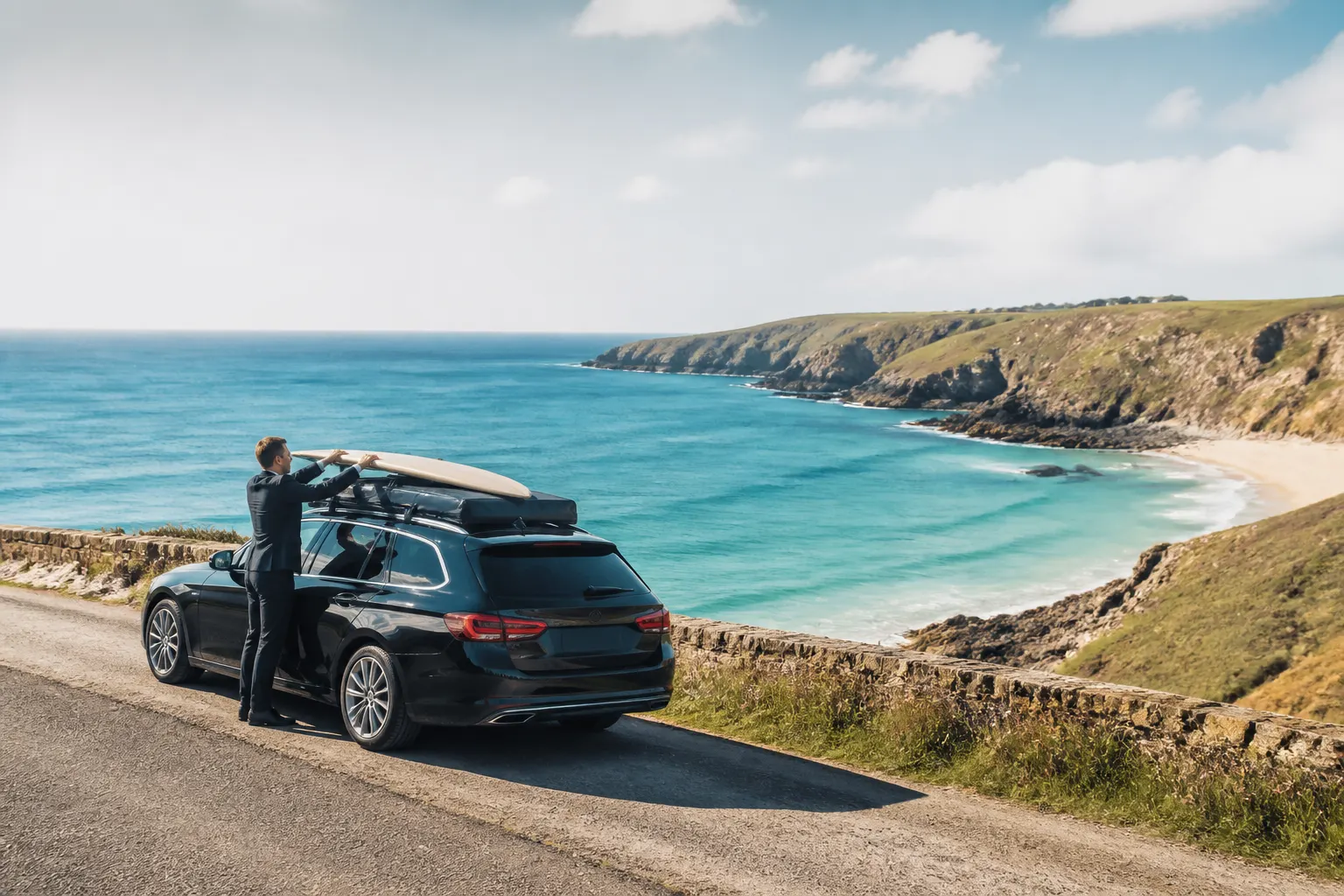
It is worth describing the ends of a journey rather than only the addresses. Steep ramps, sharp kerbs, deep gravel, a height barrier on the way into an underground car park, a single-track lane with passing places: none of these makes the car impossible, but each changes how the collection has to be planned. Knowing in advance is considerably better than discovering it at the door with luggage in hand.
Getting an individual quotation
Every Maybach booking is quoted on its own facts and returned in writing. There is no rate card behind it because there could not honestly be one, and what speeds the answer up is completeness at your end: the date, the hours, the exact addresses, the number of passengers and cases, and anything unusual about the day or the access at either end.
Send that outline on WhatsApp or by email and the document that comes back names the vehicle class, the hours held, what is covered along the route and the terms that apply. Our vehicles come from our own cars and from a vetted network of professional chauffeur operators, so if what you have asked for is not available on your date we will tell you plainly rather than substituting something quietly.