


A wedding, a significant birthday or a private celebration has a shape that a single car cannot serve. People arrive from different places, at different times, in different states of readiness, and the occasion itself has moments that everyone must reach together. Multiplying the cars is the easy part; making them behave as one arrangement is the work.
Done properly, it looks effortless from the outside: vehicles appearing in order, nobody standing about, nobody left behind at the end of the evening. Done as a set of unrelated bookings, it produces exactly the small chaos it was meant to prevent. This page covers how the difference is actually engineered.
One itinerary, not several bookings
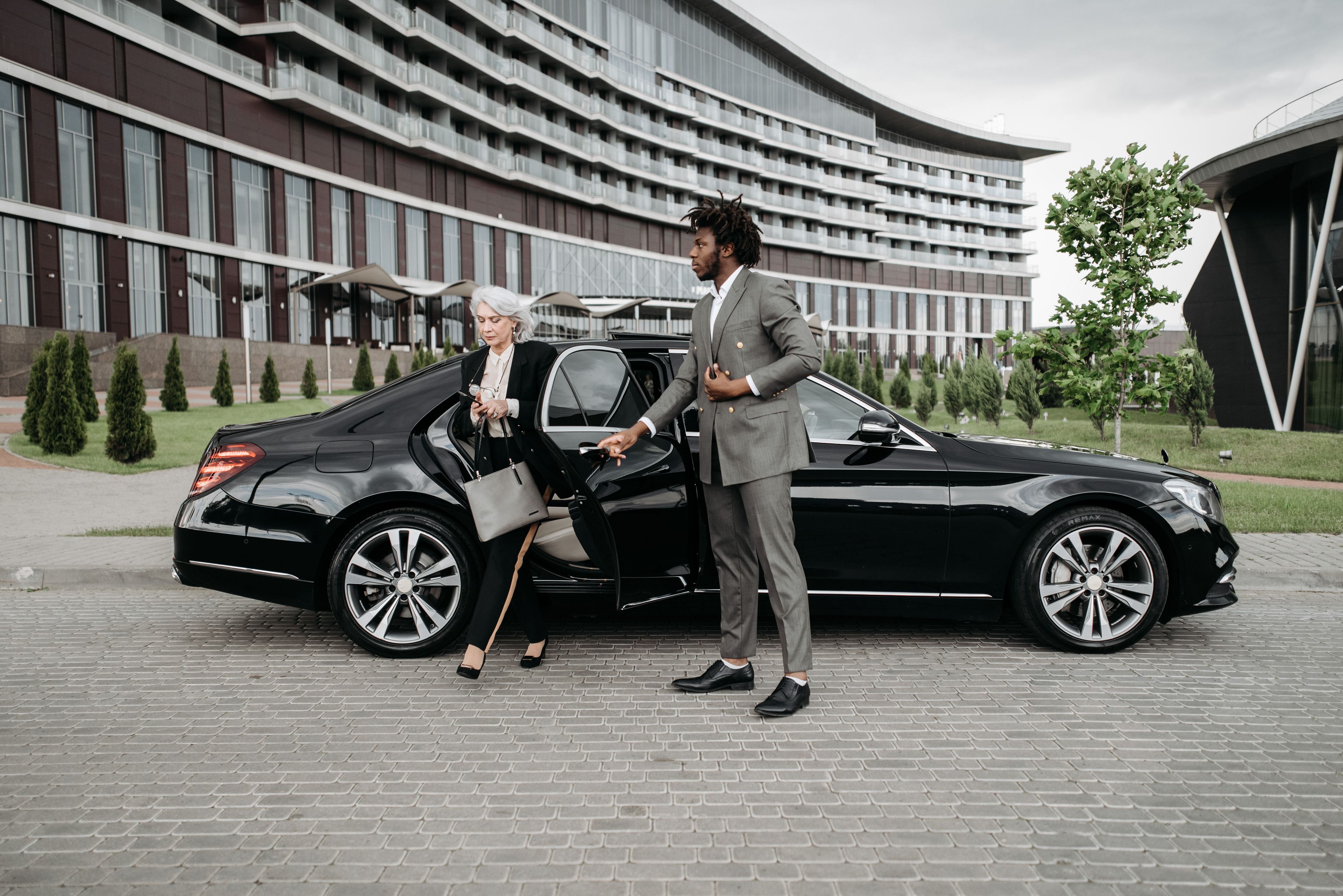
Every vehicle works from the same written running order, which lists each collection, each address and each fixed moment the day is built around. Chauffeurs stay in contact through the occasion, so a car delayed at one address is known to the others rather than discovered on arrival. Where the sequence matters, one car is nominated as the lead and the rest follow its timing.
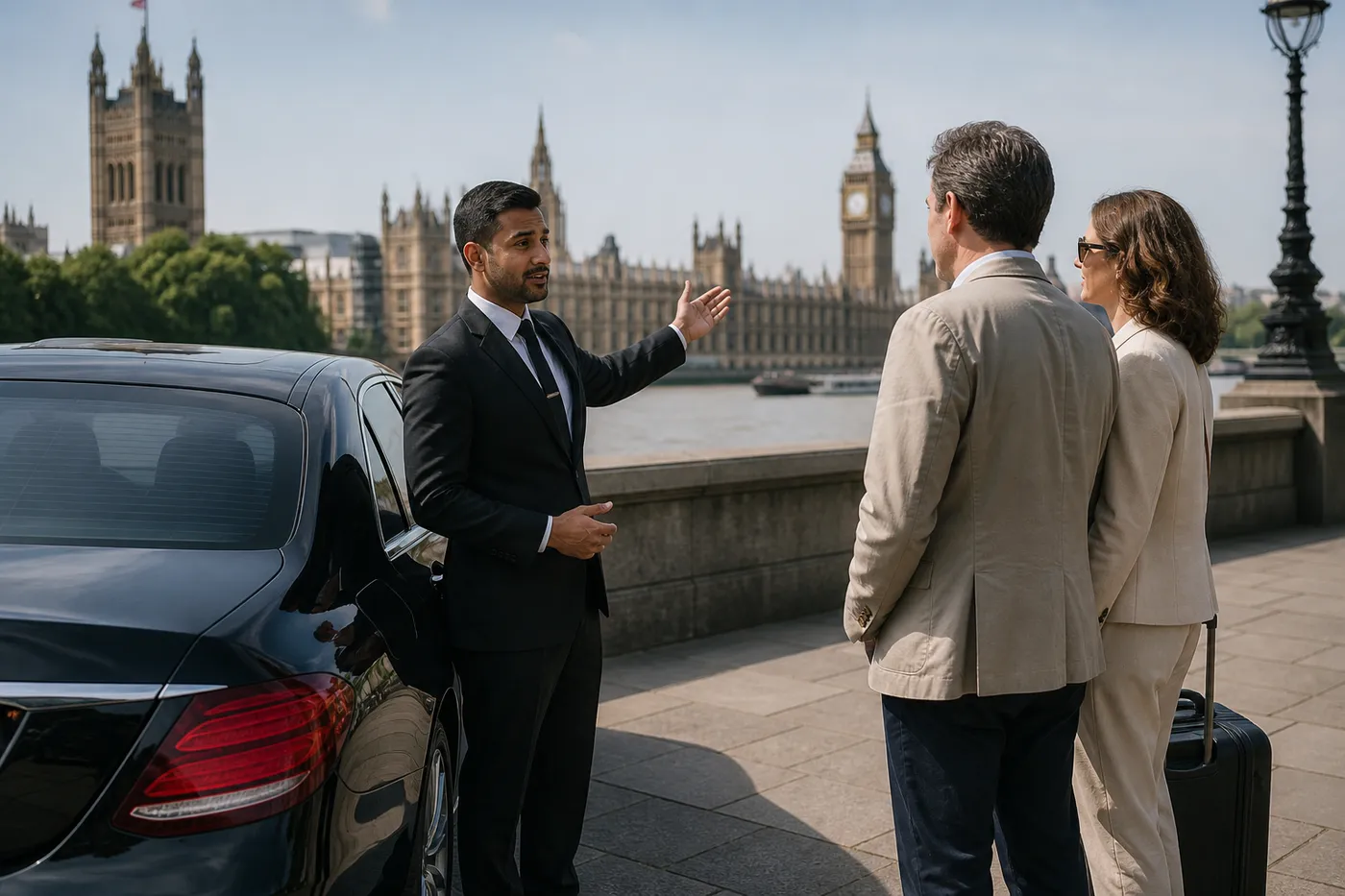
You deal with us rather than with individual chauffeurs. Changes go in once and reach every car, which prevents the classic failure where half a wedding party has been told a new time and the other half has not. On the day itself, most clients hand this over to somebody who is not the couple or the host, which is invariably the right decision.
Matching cars, and what it depends on
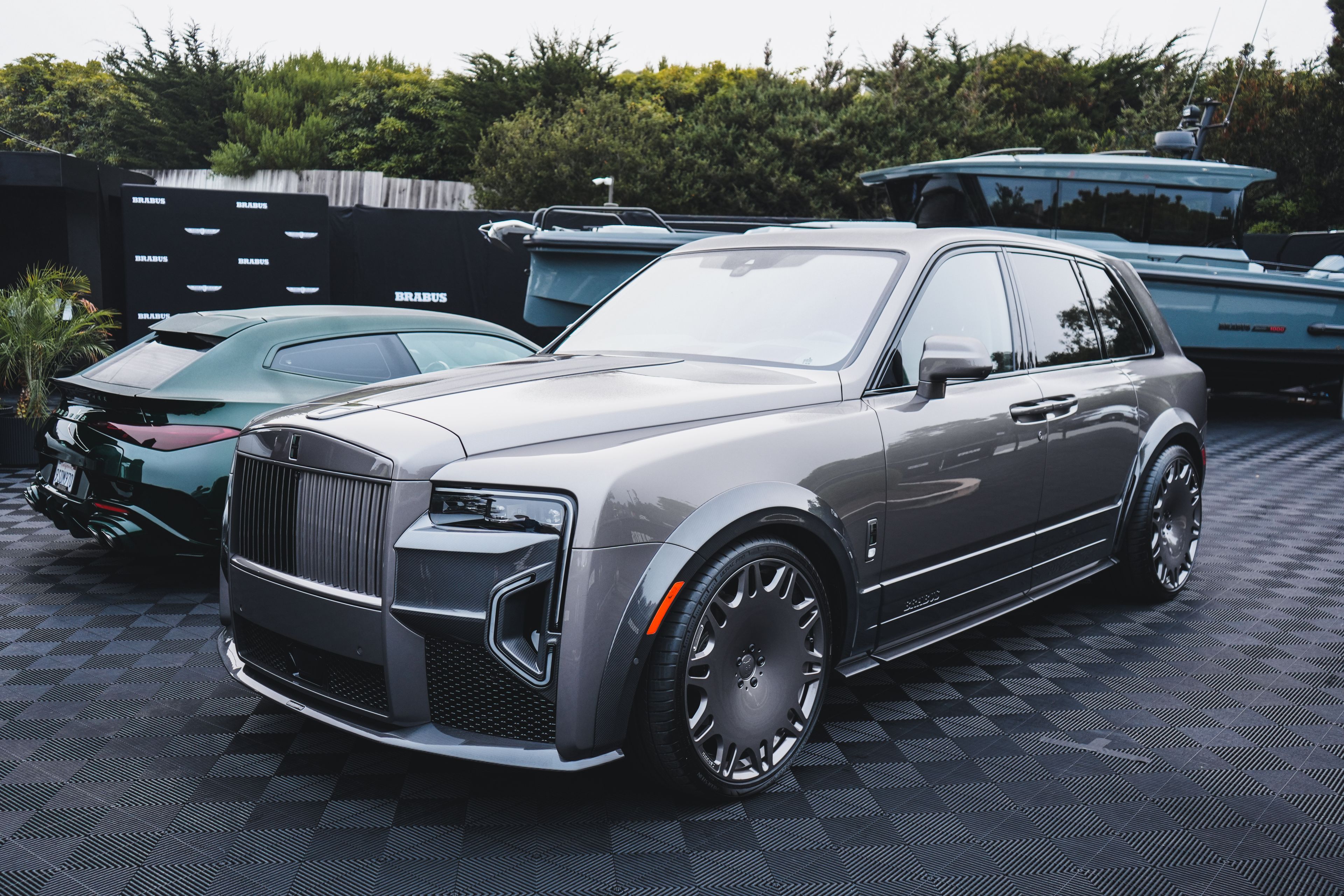
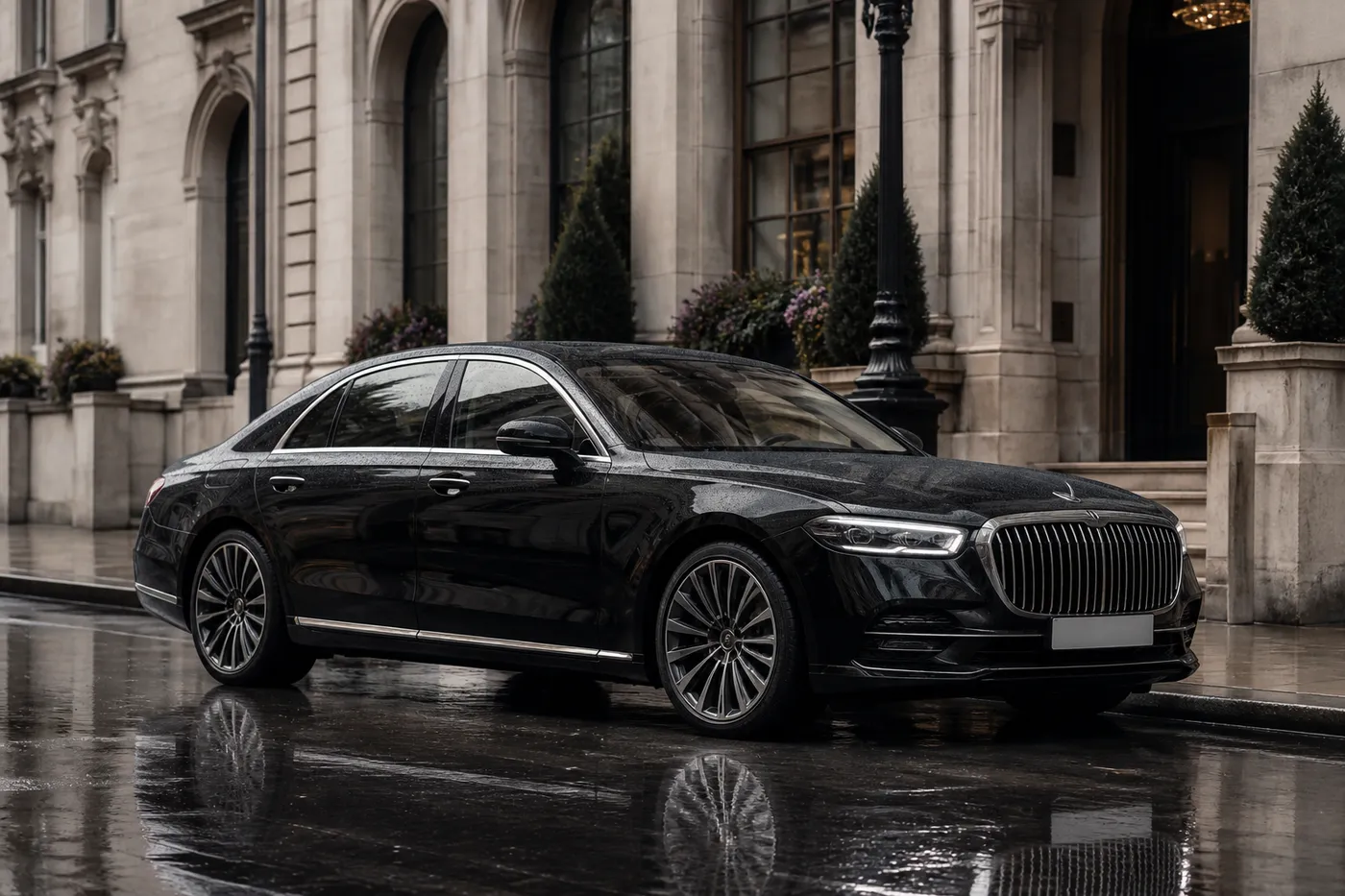
For a formal arrival, matched vehicles look considerably better than an assortment, and it is a request worth making at the earliest possible stage. Whether it is possible depends on the date, the region and the specific models involved. Prestige cars are individual examples rather than a fleet, so a matched pair of those is a genuine availability question rather than a preference.
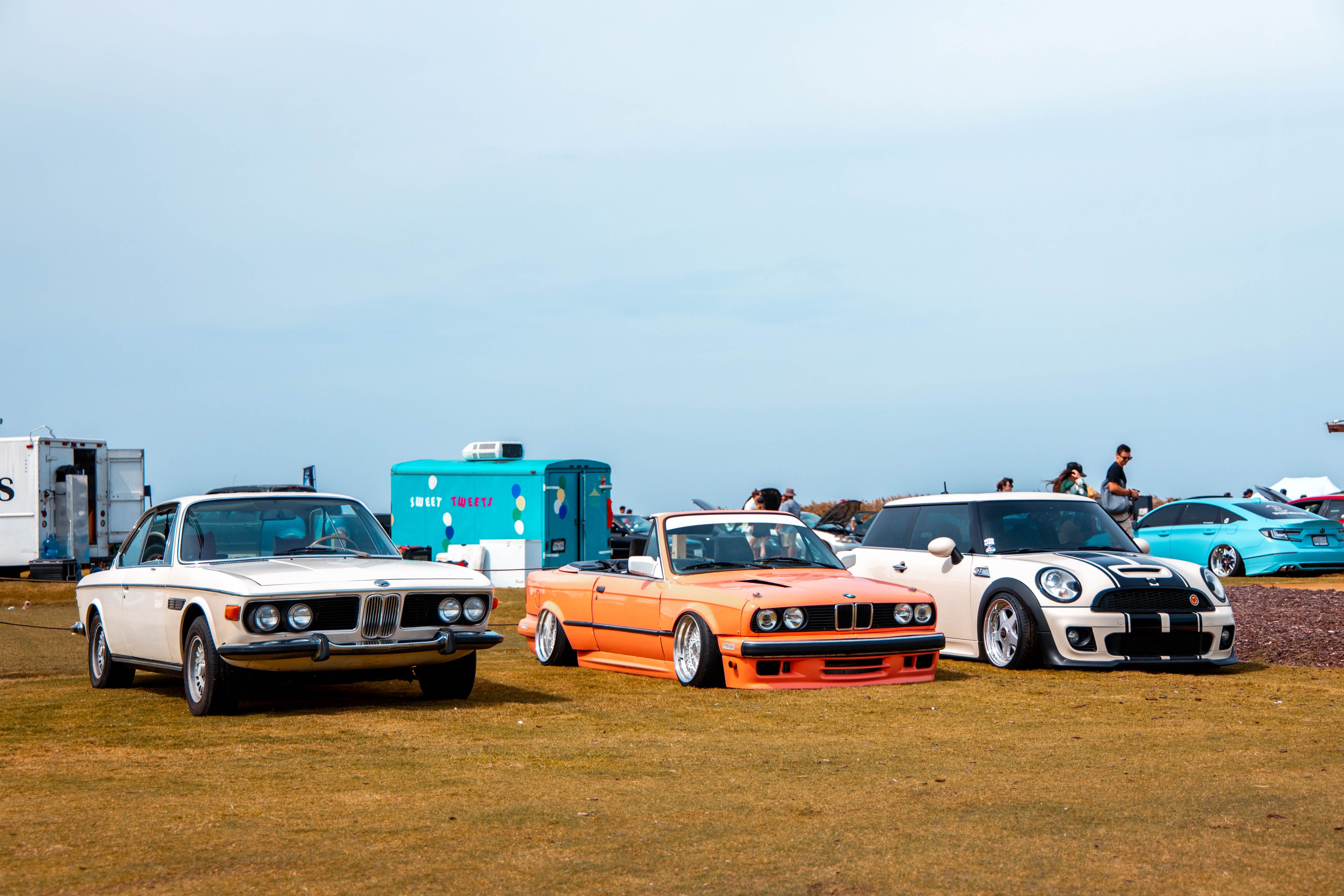
Where an exact match is not achievable, a matched class usually is: vehicles of similar size, colour and presentation that photograph well together even if the badges differ. We will tell you which of the two you are getting before anything is confirmed, because discovering it on a wedding morning is not a discovery anybody should have to make. Ask early and the answer has time to be useful.
- The number of passengers travelling in each vehicle
- Which collections must happen simultaneously and which may stagger
- The one arrival everything else is timed around
- Whether matched vehicles are essential or merely preferred
- How and when guests are getting home at the end of the evening
- A day-of contact who is not the host or the couple
Where the timings usually go wrong
Departures cause more trouble than arrivals, because arrivals are staggered by their nature and departures are not. Everybody wants to leave within the same twenty minutes, usually late, usually in the rain. Planning that hour properly, with cars positioned in advance and an agreed order, is worth more to the evening than any decision made about the vehicles themselves. It is the part most often left until last.
The other recurring problem is the venue. Narrow lanes, gravel drives, limited turning space and strict set-down arrangements all shape what can physically happen at the door. Give us the venue name early and we will look into the access rather than arriving to find that three cars cannot pass each other on the approach. Country houses in particular repay a little advance homework.