



Scotland is the itinerary most often ruined by ambition. The country looks compact on a map of Britain and is nothing of the sort once you are driving it: the roads wind, the lochs force long detours, and a great deal of the west is single track. A plan drawn with a ruler produces a week spent almost entirely in the car, which is a peculiar way to see one of Europe's great landscapes.
This page is about pacing rather than sights. How long the principal legs actually take, why daylight matters more here than anywhere else in Britain, what needs booking well ahead and what does not, and roughly how many days each of the common itineraries genuinely requires. All timings are indicative and should be treated generously rather than optimistically, and nothing here substitutes for checking the current position.
The distances people underestimate
Edinburgh to Inverness is around three and a half hours on the fastest route, and Inverness to Skye is another two and a half or so beyond that. The much-loved run north from Glasgow along the western shore of Loch Lomond is slow, winding and frequently held behind something large. None of these are difficult journeys; they are simply longer than the mileage implies.
The consequence is that the day trip many visitors ask about, Edinburgh to Loch Ness and back, is close to eight or nine hours of driving for perhaps an hour at the water. It can be done and we have done it, but nobody enjoys it much. Where the schedule allows only one day out of Edinburgh, the Trossachs, Stirling or the Fife coast give infinitely more for the time.
The much-publicised coastal route around the far north runs to something over five hundred miles of largely single-track road. It is a week, not a long weekend, and treating it otherwise is the surest way to see very little of it. Splitting it across two trips, or basing yourself in one part of the north for several nights, produces a far better experience than driving the full circuit against the clock.
Daylight decides the plan
In midwinter the north of Scotland offers only a handful of usable hours between sunrise and dusk, and the light goes early in the afternoon. Plan by daylight rather than by the clock: a route that works beautifully in June becomes a drive in the dark in December, and driving in the dark on an unlit single-track road with deer about is neither pleasant nor scenic.
Midsummer swings the other way entirely, with light lasting well into the evening in the far north. That is a gift for touring, since it allows late departures, long stops and photographs at hours that would be impossible further south. It also means restaurants and attractions close long before the light does, so the practical constraint moves from daylight to opening hours.
What must be booked ahead
Distillery tours run at set times in small groups and the better-known ones fill weeks ahead in season. Book directly and early. Having a chauffeur is precisely the point at a distillery, since it removes the awkward calculation about tasting, and it is one of the arrangements guests are most consistently glad of. Tell us which tours you hold and we will build the driving around them.
Island ferries are the other hard constraint. Skye is reached by bridge and needs nothing, but Mull, Islay, Arran and the rest depend on sailings that must be reserved well in advance for a vehicle and are subject to cancellation in bad weather. Build a contingency into any island plan. Edinburgh's principal attractions also operate timed entry and some close entirely when in official use, so check current arrangements before fixing the day.
How many days each route needs
The list below is our rough guide to what a comfortable trip looks like at each length. It assumes moving base occasionally rather than driving out and back from one hotel, which saves a great deal of pointless mileage. Add a day to any of these if the party includes somebody who dislikes long stretches in a car, or if you intend to walk anywhere beyond a viewpoint.
- Three days: Edinburgh, Stirling and the Trossachs, at an easy pace
- Four days: add St Andrews and the Fife coast, or Glasgow
- Five days: Glencoe, Fort William and two nights on Skye
- Six days: the same, plus Loch Ness and a night near Inverness
- Seven days: Speyside and its distilleries, or the eastern castles
- Ten days: a proper northern loop, with time to stop and look
- One flexible day held in reserve for weather, ferries or fatigue
Highland roads in practice
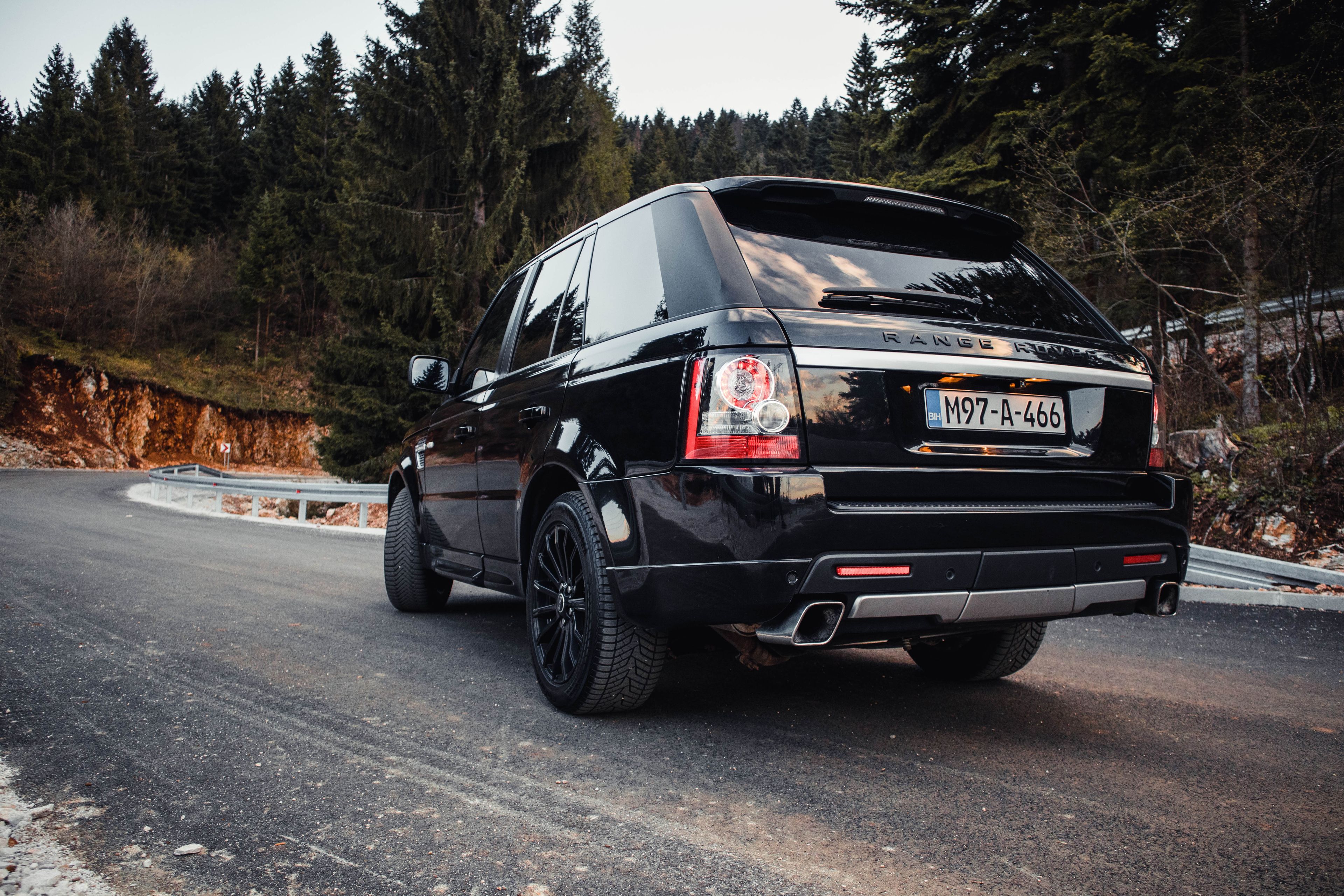
West of the main routes, much of the network is single track with passing places, and the etiquette matters: pulling in, letting locals through, not stopping in a passing place to take photographs. A professional chauffeur handles all of that without comment. Deer are a genuine hazard at dawn and dusk, fuel stations can be far apart, and mobile coverage disappears for long stretches, which is worth knowing before anyone plans to work from the back seat.
Weather changes quickly and closures do happen, particularly on the higher routes in winter. We plan Scottish itineraries with alternatives already in mind rather than a single line on a map. Where a road is shut or the cloud has swallowed the view you came for, the day is rearranged rather than abandoned, and having the car and driver with you is what makes that possible.
How we work on longer trips
For anything beyond a couple of days we would normally keep the same chauffeur with you throughout, which makes an enormous difference to how the trip feels by day four. Hotels, admissions, distillery tours and ferry reservations are booked by you; our advice concerns driving times and whether a given sequence of nights actually works, which is where most Scottish plans go wrong.
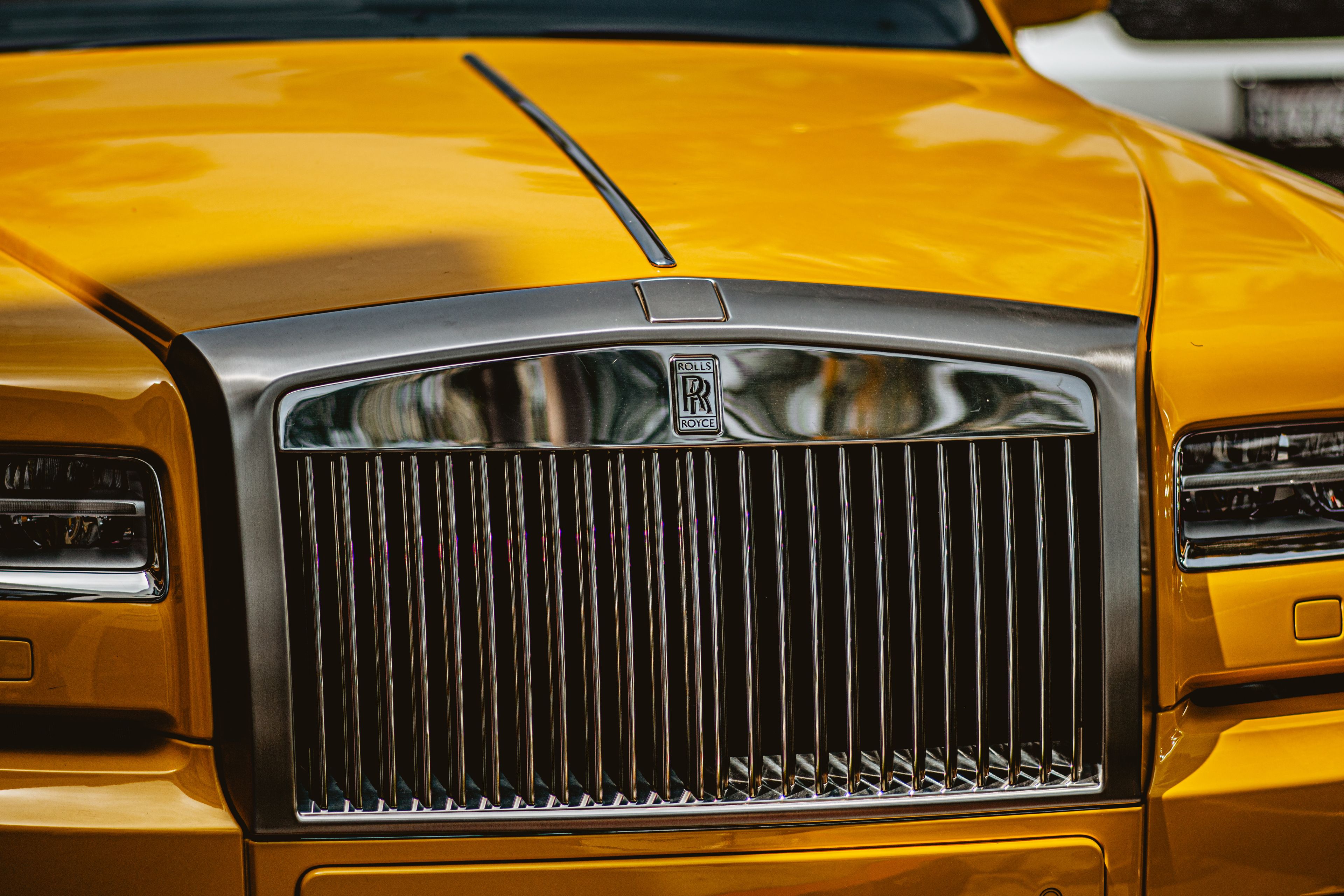
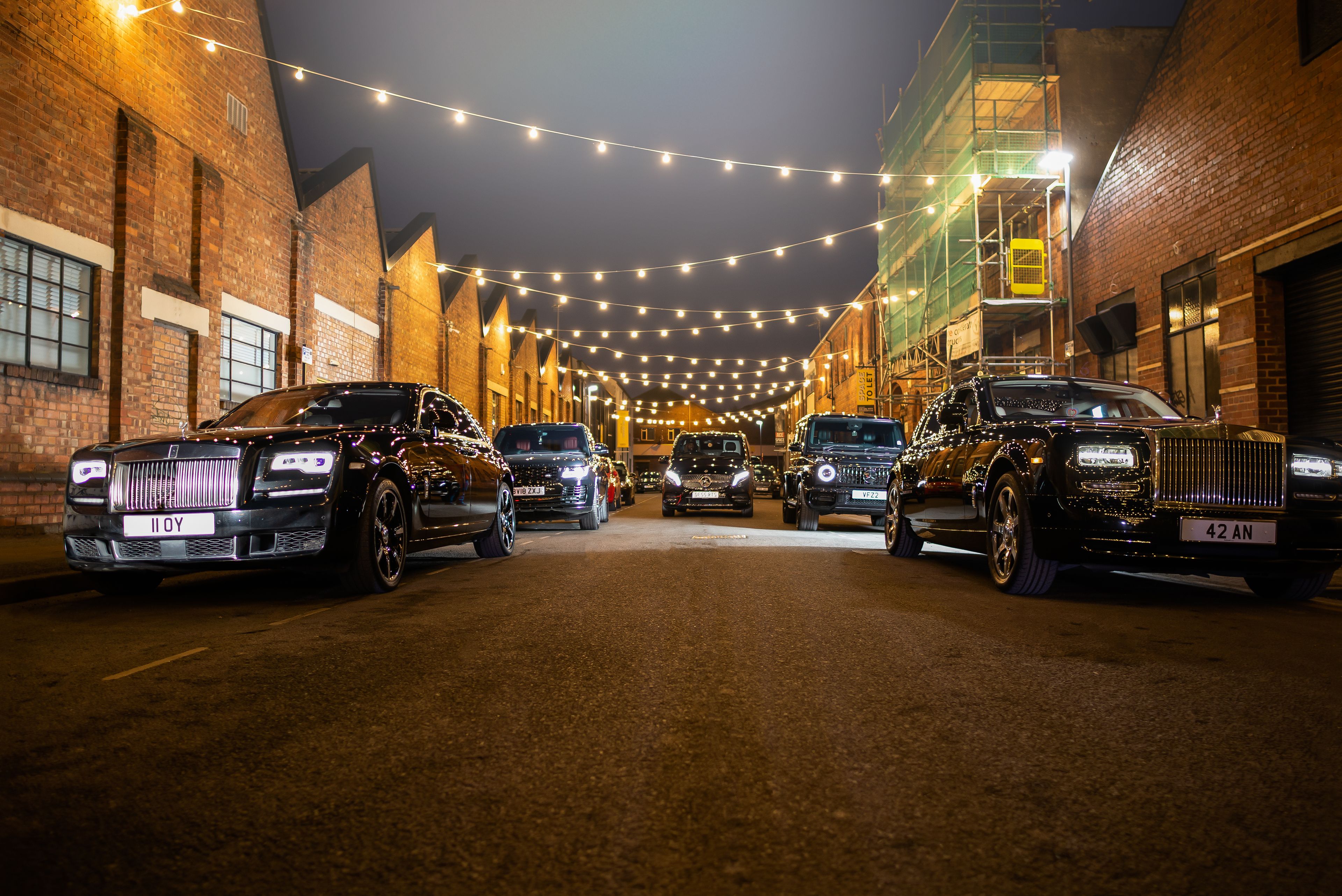
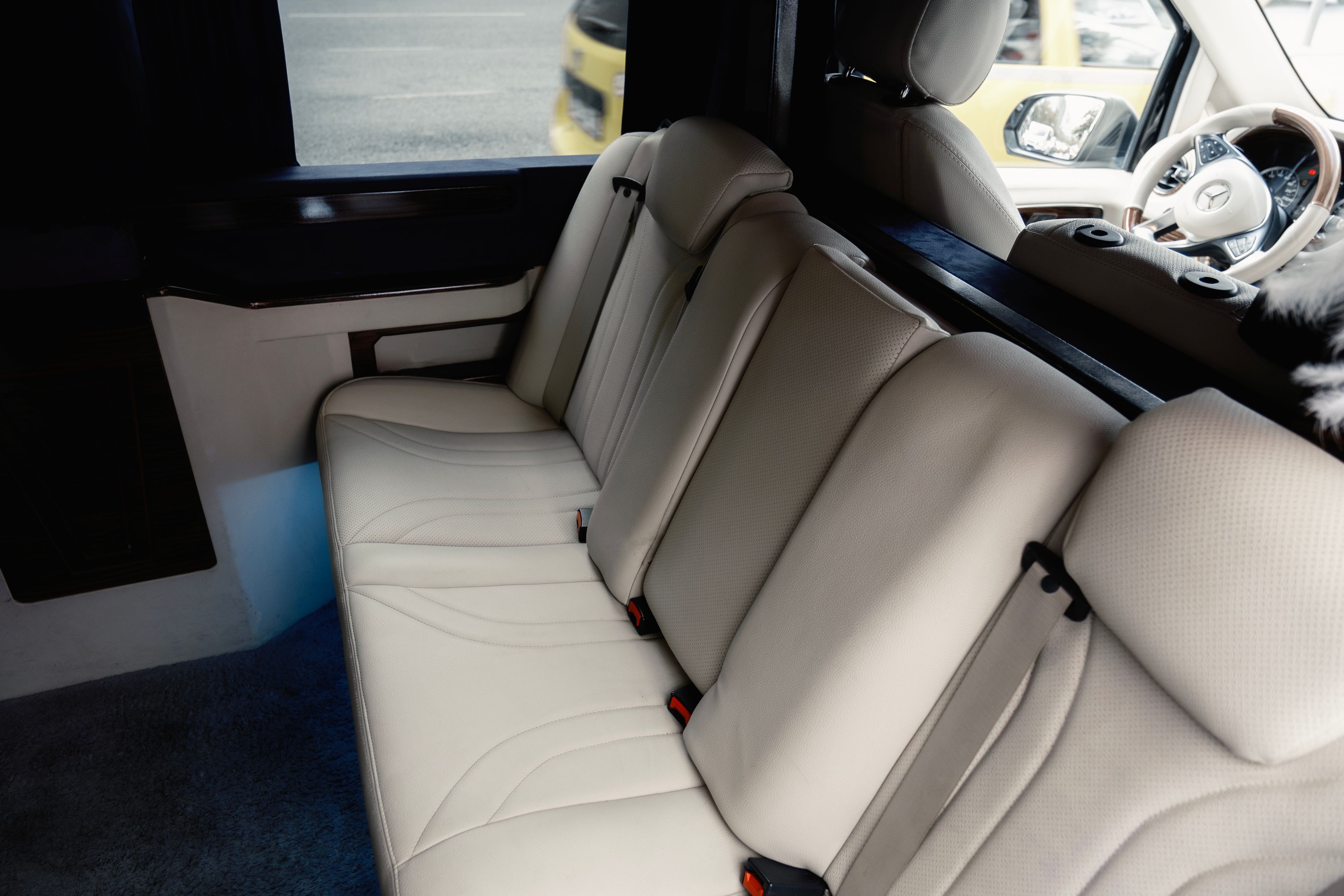
Your chauffeur is a professional driver, not a licensed guide, so the glens are not narrated as you travel through them. A qualified guide can be arranged to accompany the party if you would like the history and landscape properly explained, and on a long Highland itinerary many guests find that adds a great deal. Vehicles come from our own cars and a vetted network of professional chauffeur operators, subject to availability of model, colour and specification.