



A chauffeur quotation looks simple and is not. Two quotations for the same journey can differ substantially, and the difference is almost never about the driving. It is about what is included, what is assumed, what happens when the day does not go to plan, and how the awkward eventualities are treated. Those are the parts that decide whether the number holds.
Reading one properly takes a couple of minutes and saves the conversations nobody enjoys. This is a guide to what each element means, what to check before agreeing, and which questions are worth asking. It contains no figures of any kind, because every journey is quoted individually against its own route, timing and vehicle. What it contains instead is the structure behind that figure.
The parts of a quotation
A complete quotation identifies the journey precisely: date, collection time, collection address including the entrance, destination, any intermediate stops, passenger count and luggage. It states the vehicle class, or the specific vehicle where one has been requested. It sets out the duration or shape of the booking, whether that is a transfer, a half day or something longer. Everything in that list should match the day you are actually planning.
Alongside that sit the conditions: what waiting time is included, how additional time is treated, how third-party costs such as parking are handled, and the terms covering changes and cancellation. Those terms are confirmed to you in writing at the point of booking rather than described generally, and they are the part most worth reading properly. They are also the part almost nobody reads until something has already happened.
- The exact journey: date, times, addresses and entrances
- Passenger and luggage numbers the quotation is based on
- Vehicle class, or the specific vehicle if one was requested
- The shape of the booking: transfer, half day, full day, multi-day
- Waiting allowance and how time beyond it is treated
- How parking, tolls and charges are handled
- The written terms covering changes and cancellation
Assumptions are where quotations differ
Every quotation rests on assumptions, and the differences between competing ones usually live there rather than in the headline. One may assume a kerbside airport pickup where another assumes meeting you in arrivals. One may assume you return by a particular time; another may hold the car regardless. Neither is wrong, but they are not the same thing. Comparing them as though they were is how people end up disappointed.
The check is simple: read the assumptions and ask whether they match your actual day. If a quotation assumes two hours and your meeting could easily run to three, that gap is where the surprise will come from. It is far cheaper to resolve at the quotation stage than at four in the afternoon. One question at the outset removes an entire category of later awkwardness.

Vehicle class and what it actually promises
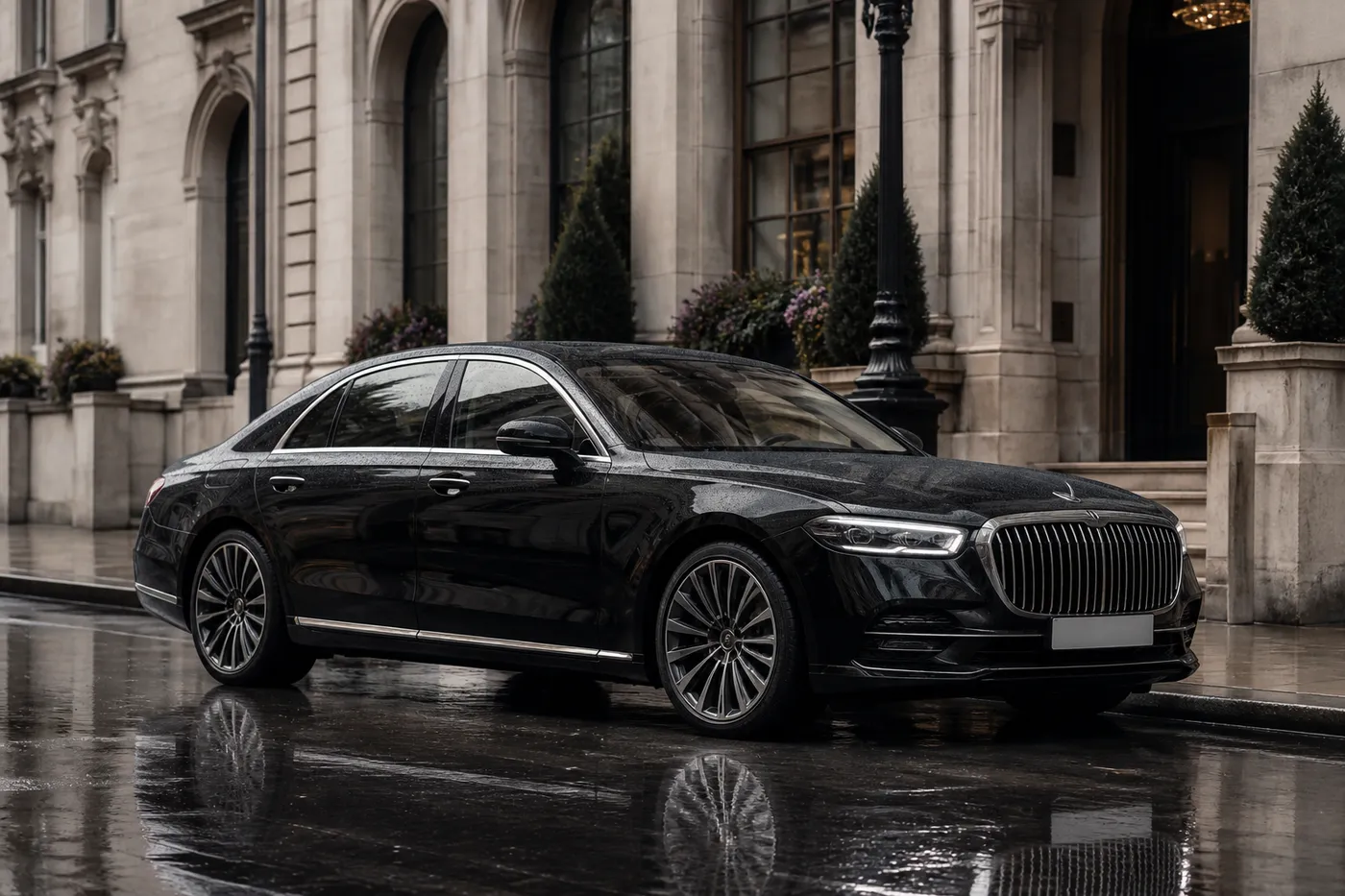
Most quotations name a class rather than a car, and it is worth understanding what that means. An executive saloon, a first-class saloon and a luxury MPV each describe a category with a range of models in it, and which specific car turns up may depend on the day. That is normal and it is how availability is managed sensibly.
Where a specific vehicle matters — for a wedding, a photograph, or a car that has to look a particular way — say so and have it stated explicitly in the quotation. A named vehicle is a different commitment from a class, and it needs to be written down as one rather than assumed from a conversation. Photographs last considerably longer than the memory of what was discussed.
Comparing two quotations fairly
The commonest mistake is comparing headline figures for quotations that describe different services. Before comparing anything, line up the assumptions: the same waiting allowance, the same treatment of extra time, the same handling of parking and charges, the same vehicle class, the same meeting arrangement at the airport. Until those match, you are comparing two different services that happen to share a route and a date.
Once those match, the comparison is meaningful. Frequently the cheaper quotation turns out to include less waiting, assume a kerbside meet, or exclude costs the other absorbs, and the difference narrows or reverses. It is not that anyone is being misleading; it is that the same journey can be arranged in genuinely different ways. The right question is which of those arrangements suits the day you are having.
Questions worth asking before you agree
A short list of questions clears up almost everything that goes wrong later. They are all reasonable, none of them is awkward, and any operator worth booking will answer them plainly and put the answers in writing. They take about a minute to ask and they cover the overwhelming majority of the situations that turn into complaints, which is a good return on a minute.
The most valuable one is the open question: what is not included here that might apply on the day? A good operator will tell you honestly, because they would far rather set the expectation now than explain it afterwards. It is also a fair test of who you are dealing with, because an operator who deflects that question at the quotation stage will not become more forthcoming later.
- How much waiting is included, and from when does it start?
- What happens if my meeting overruns by an hour?
- Is this a specific vehicle or a class, and can that be stated?
- Are parking and road charges included or added afterwards?
- Am I being met inside the terminal or at a kerbside pickup point?
- What is not included here that might apply on the day?
Why journeys are quoted individually
Chauffeur work does not price well from a table, because two journeys of identical distance can be entirely different jobs. One is a straight motorway run at midday; the other crosses London at five o'clock, involves a charging zone, requires a specific vehicle and needs the car to wait for three hours in a place with no parking. Same distance, entirely different day, entirely different job.
That is why quotations are prepared against the actual journey rather than looked up. It also means the more accurately you describe the day, the more reliable the quotation is. A quotation built on a vague description is a guess, and guesses are what turn into difficult conversations later. Five extra minutes describing the day at the outset is the cheapest insurance available in this trade.