




Nobody has ever been turned away from a chauffeur car for what they were wearing, and it is worth saying that at the top because the question is asked often enough to suggest real uncertainty. Passengers travel in dinner jackets and in tracksuits, in scrubs coming off a night shift and in wedding dresses, and the service is identical in each case.
So this is not a dress code. It is the accumulated practical knowledge of what actually works when you are going to spend an hour or five in a car and then walk into somewhere that matters. Most of it concerns creasing, temperature and the awkward geometry of getting into a low seat while carrying things, none of which is glamorous but all of which decides how you look when you arrive.
There is no dress code
The chauffeur dresses formally because that is the professional standard of the job. It carries no implication about the passenger. People come out of hospitals, off building sites, and off long-haul flights in whatever they slept in, and the door is opened exactly the same way. If you are travelling to relax, dress to relax. Nobody is assessing you and nobody would mention it if they were.
The only clothing question that ever has a practical answer is one of function rather than form. Will you be comfortable for the duration? Will you need to get out into weather? Is anything you are wearing going to be ruined by three hours of sitting? Those are worth two minutes of thought. Formality is not. Answer those three and the wardrobe question has been dealt with properly.
Long journeys and the creasing problem
Anything tailored will crease if you sit in it for four hours, and a suit that looked crisp in Mayfair will look slept-in by the time it reaches Edinburgh. The standard solution among people who do this often is to travel in something comfortable and change at the far end, or to hang the jacket rather than wearing it. Every executive saloon has coat hooks in the rear, and a chauffeur will hang a suit carrier properly if you hand it over.
Linen is the worst offender and jersey the most forgiving. Structured tailoring survives better than soft, and dark colours hide the evidence better than pale. If you are travelling to something where you need to look immaculate on arrival, plan to arrive early enough to change rather than relying on the clothes to survive the journey. Hotels will almost always press something at short notice if you ask on arrival.

Temperature in a moving car
Cars run colder than rooms, particularly on long motorway runs where the air conditioning is working steadily and the passenger is sitting still. People consistently underestimate this and end up quietly cold for an hour rather than asking for the temperature to be changed. Layers solve it, and so does simply saying something. A scarf takes no space and does more for a cold cabin than an extra jumper.
The reverse happens in summer, where a car standing in sun before your collection can be genuinely uncomfortable for the first ten minutes. If you know you feel the heat, mention it when booking and the car will be cooled before you get in rather than after. The same applies in January, when a car brought up to temperature before you open the door makes the first ten minutes considerably better.
- Bring a layer you can add or remove without ceremony
- Say your preferred temperature at the start rather than enduring it
- Ask for the car to be pre-cooled or pre-warmed if you feel extremes
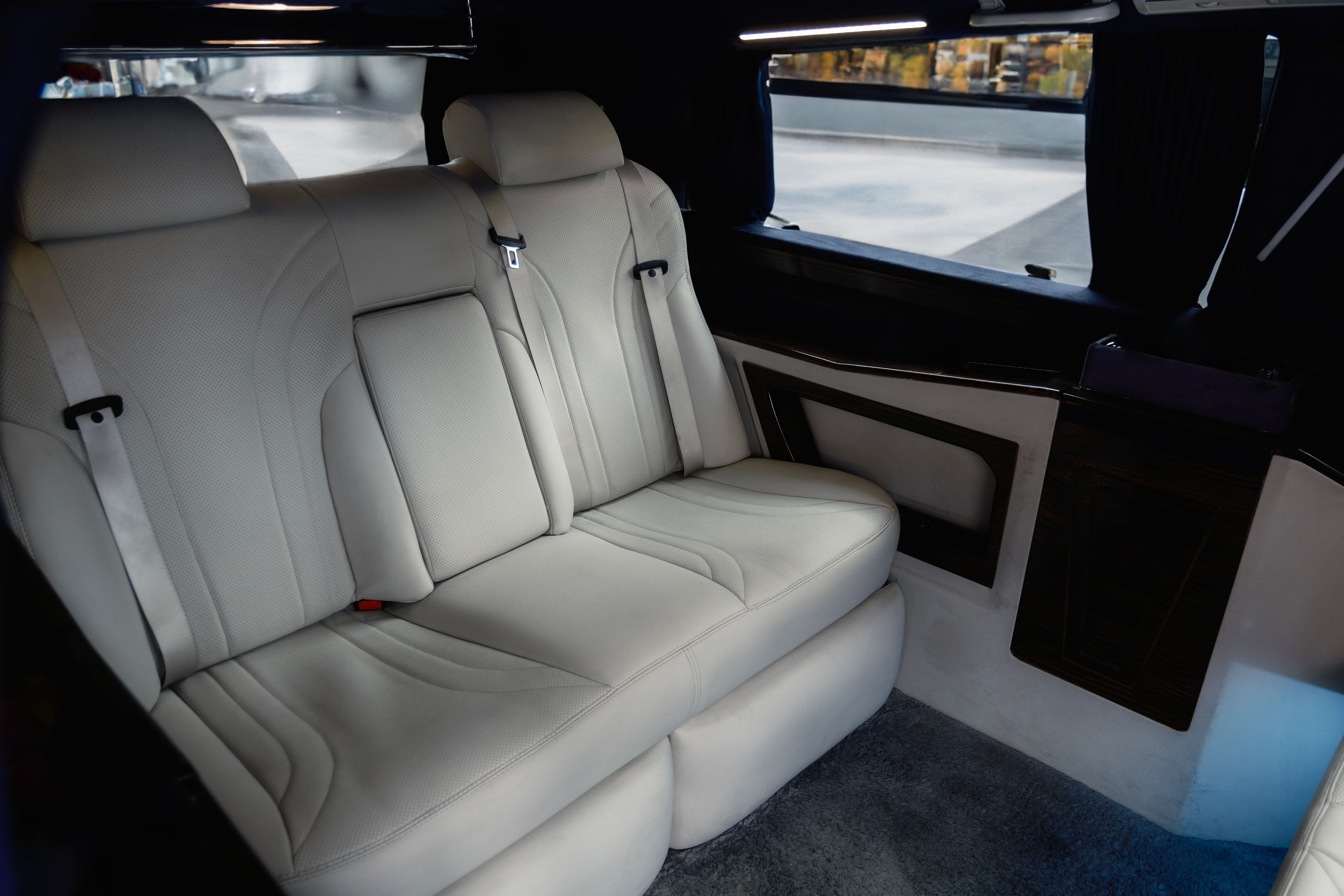
- Rear seats often have their own climate controls — ask how they work
- For long journeys, something you can loosen matters more than what it looks like
Weddings, black tie and long dresses
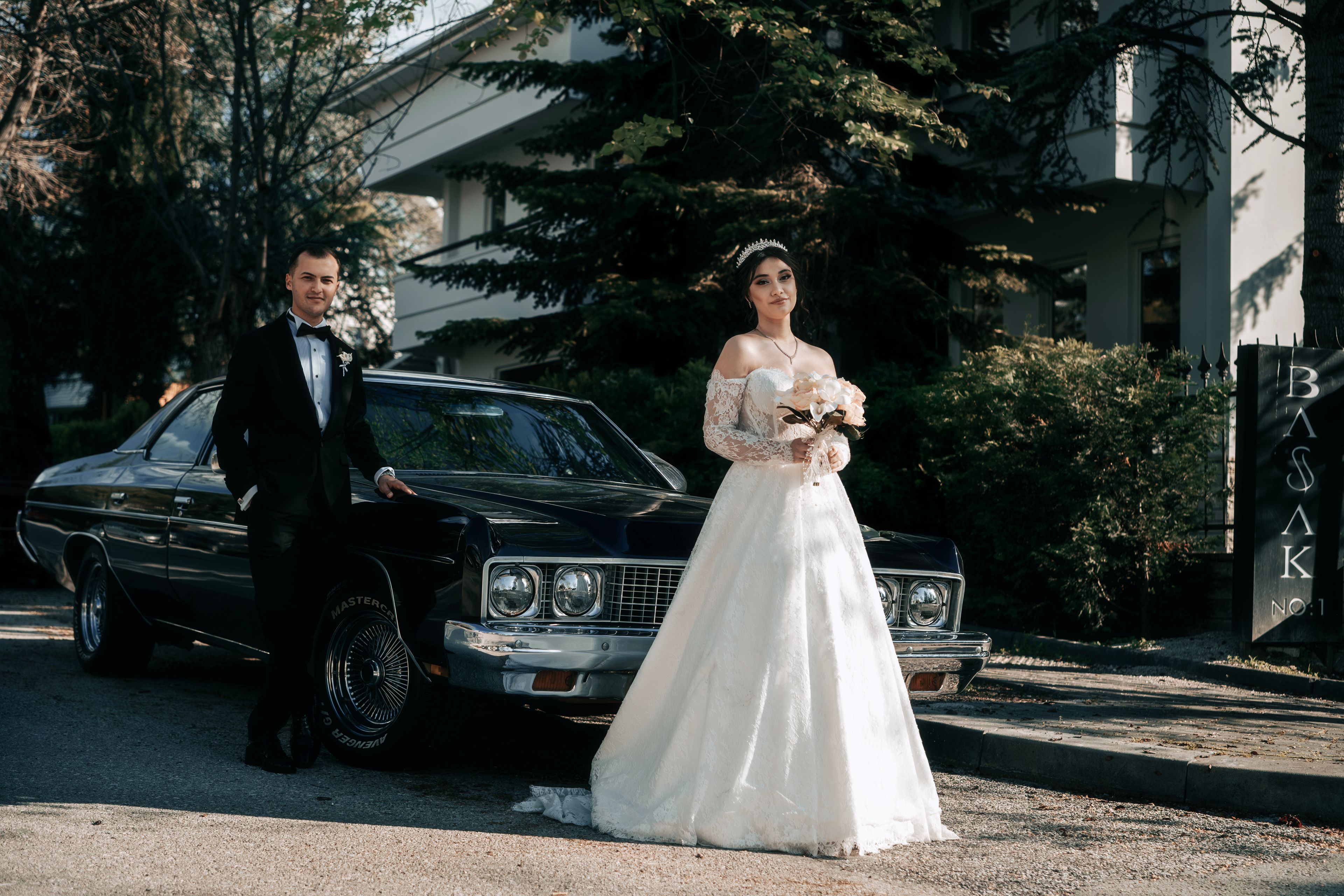
Formal wear brings its own logistics. Long dresses need room to gather when getting in, which is easier from a higher vehicle than a low sports saloon, and easier again if the car can be positioned to open onto a flat kerb rather than a camber. Say what you are wearing when you book and the vehicle recommendation will take account of it.
For weddings specifically, the sequence matters more than the outfit. Getting a dress into a car without creasing it is a two-person job and the chauffeur is one of those two people. Allow a couple of extra minutes at the collection, and consider travelling with the veil or headpiece separately rather than wearing it. Anyone who has watched a headpiece meet a door frame will understand why.
- Say what is being worn so the vehicle suits it
- Allow a few extra minutes at the collection point
- Ask for the car to stop on a level kerb
- Travel with a headpiece or veil rather than wearing it
- Hang jackets and stoles rather than sitting on them
- Let the chauffeur help gather a long skirt at the door
Airports and long-haul departures
For an early airport run, comfort wins outright. You will be in the car, then in a terminal, then in a seat for many hours, and nothing about the car journey requires a jacket. Slip-on shoes are the small detail that regular travellers swear by, since security is easier and the car is warm enough not to need them on.
On arrival journeys the calculation is different again. You have been in transit for a long time and the car is the first comfortable space of the day. Nobody minds what you are wearing, and if you want to sleep the whole way home, that is what the back of the car is for. A great many passengers arrive home having slept from the terminal to their own door.
Shoes, bags and getting in gracefully
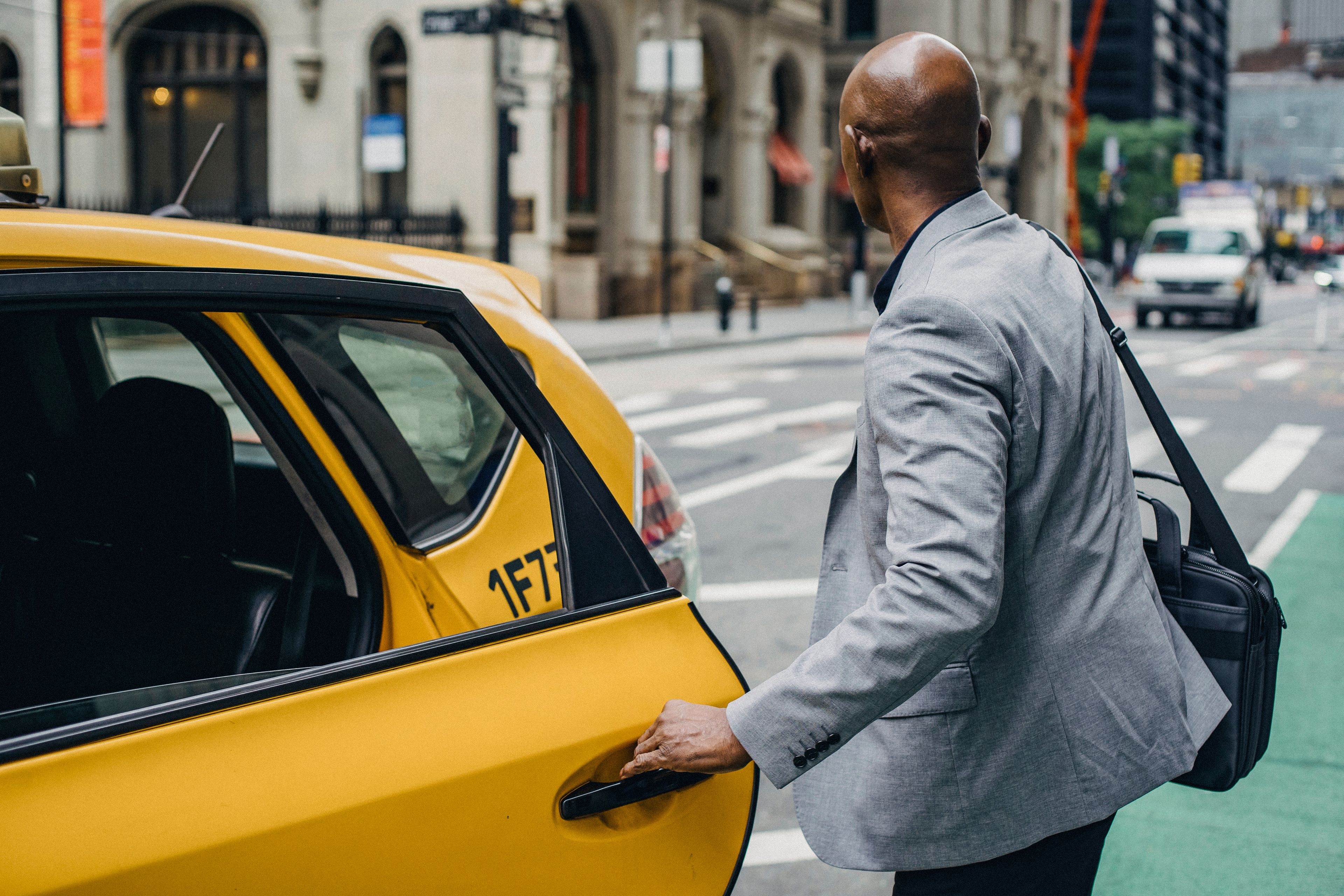
Most of the ungainly moments in a chauffeur car come from trying to hold a coffee, a phone and a bag while lowering yourself into a rear seat. The fix is to hand things over first. A chauffeur will take your bag, hold your cup, and pass everything back once you are settled, and offering to do so is part of the job rather than an imposition.
Very high heels and low seats are an awkward combination, particularly getting out. If that is your evening, ask the chauffeur to position the car for a straight step-out onto a level surface. They will know where on that street it works and where it does not. It is a small piece of positioning that takes seconds to arrange and saves an undignified exit onto a sloping pavement.