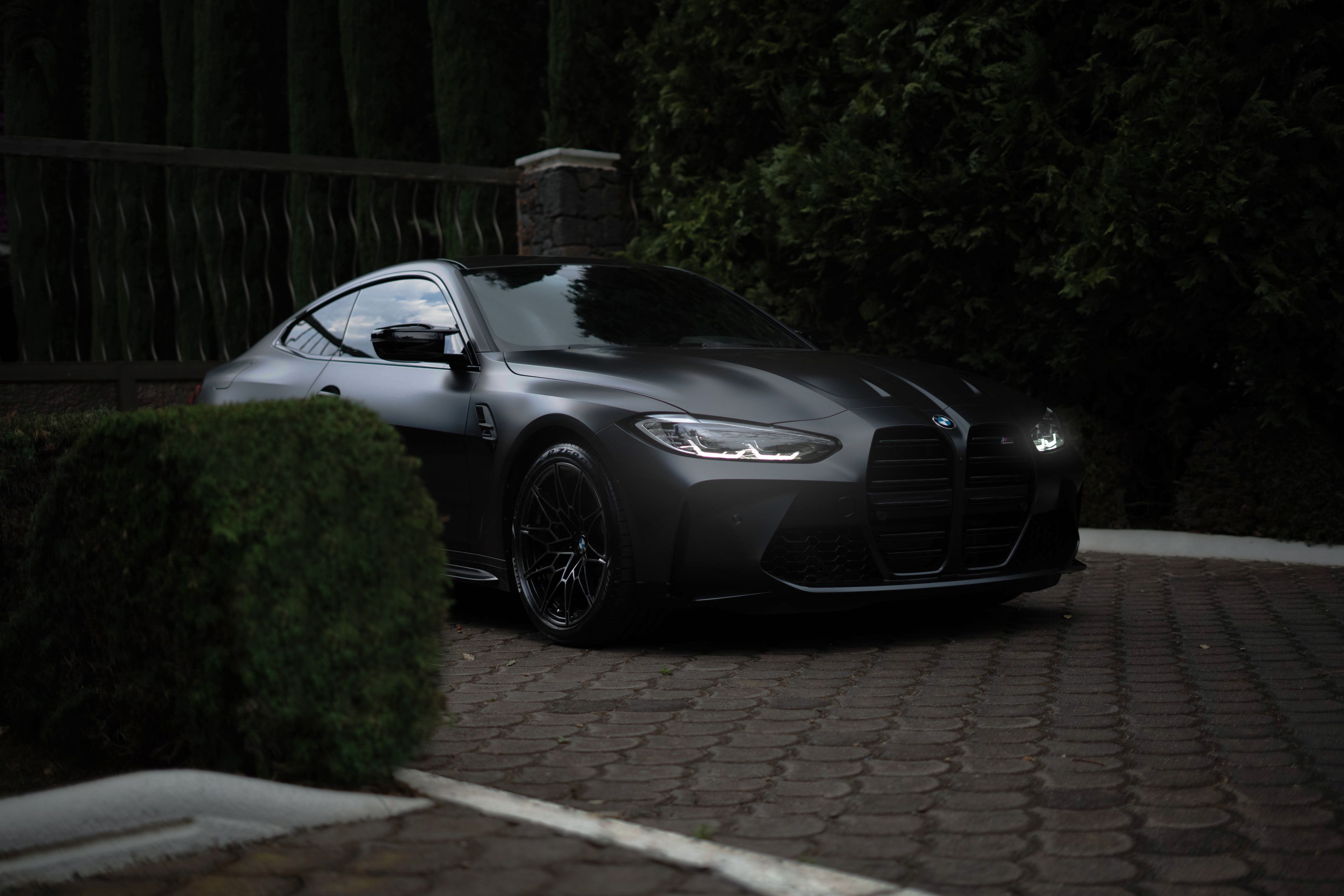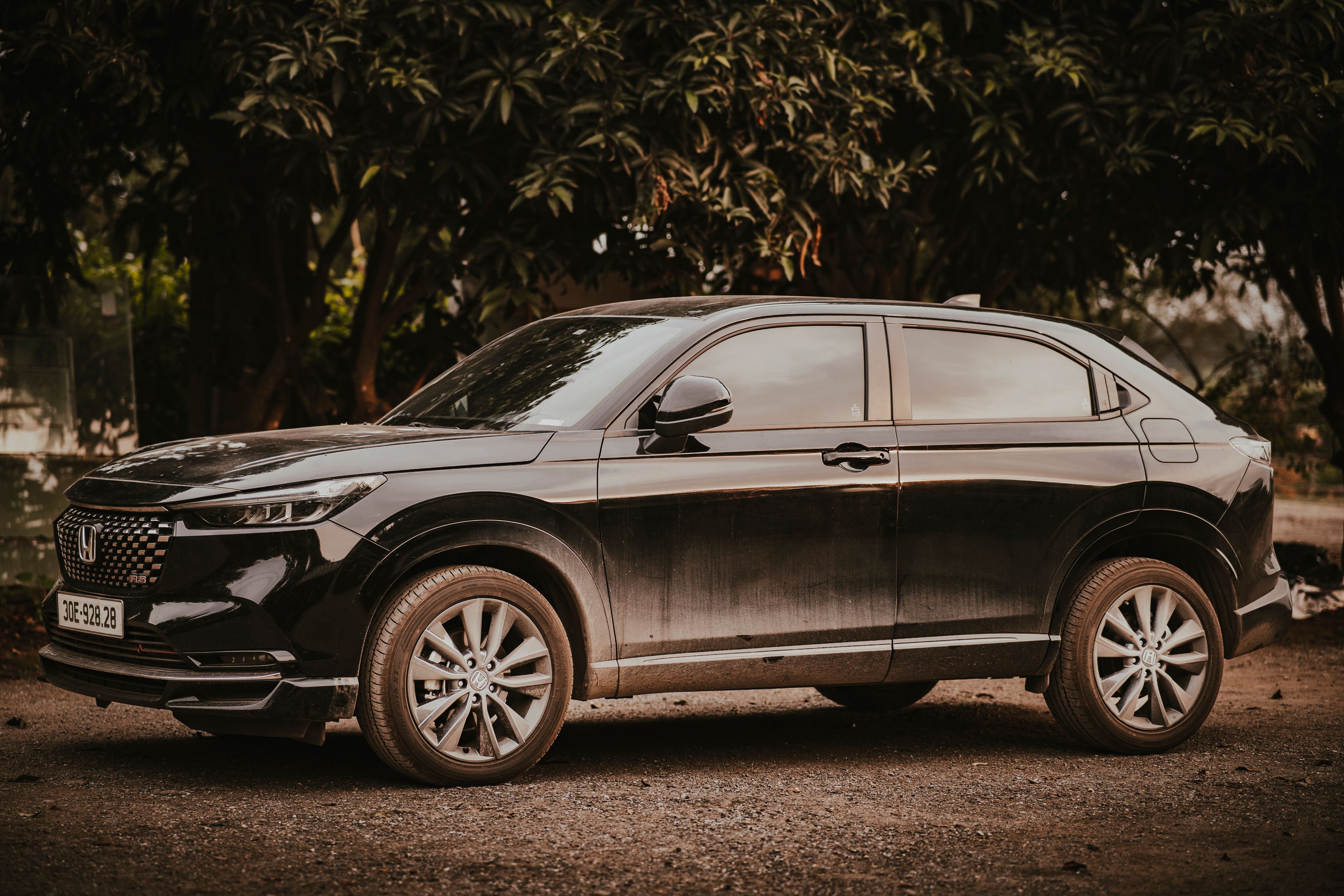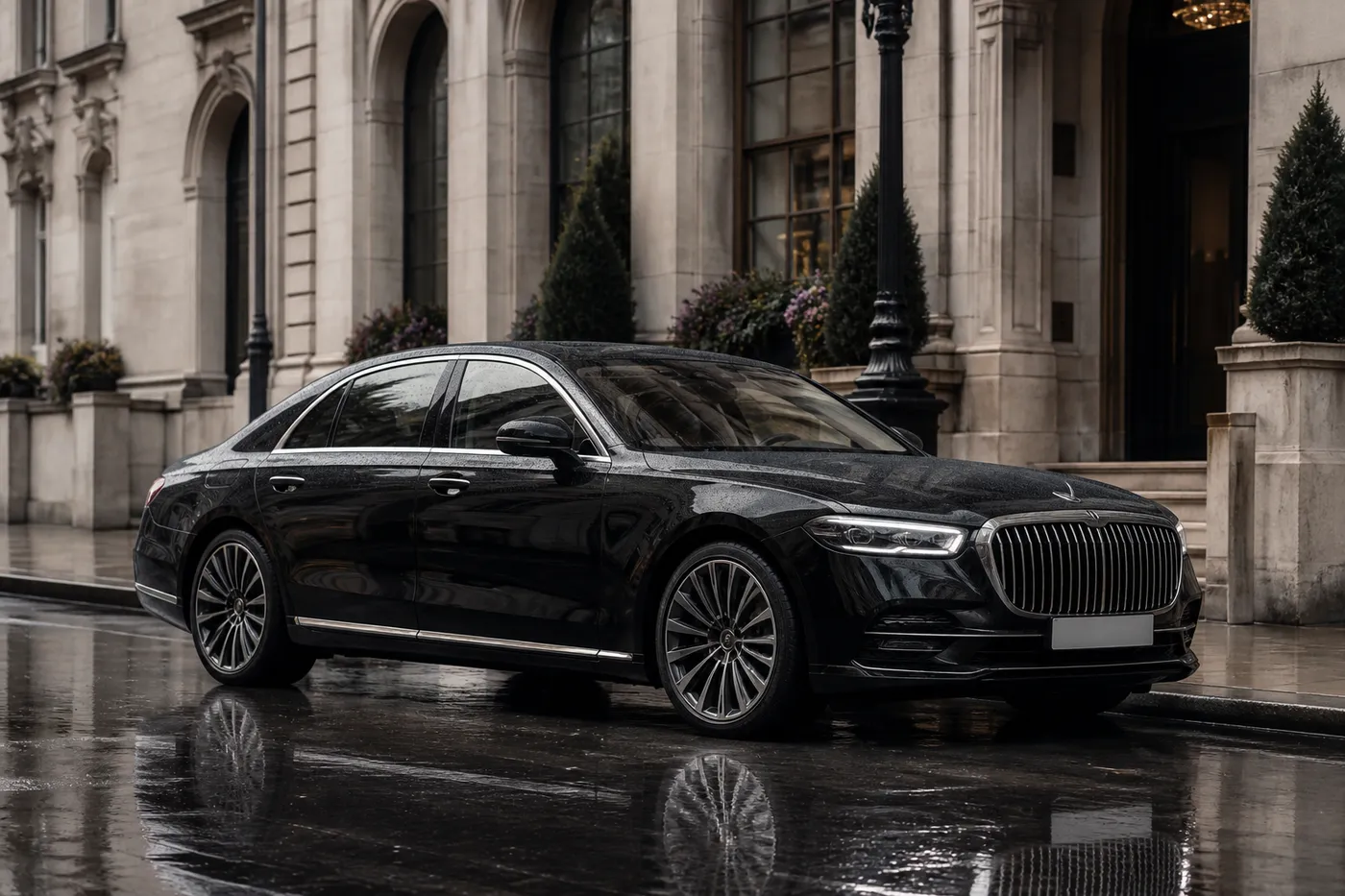





This request comes up more than people assume, and it comes from sensible places: a car you love and would rather use for your wedding, a vehicle at a second home that needs driving while you are there, a family car that must be moved while nobody in the household can drive. The instinct is reasonable. The paperwork is where it becomes complicated.
We would rather set out the position clearly than give an encouraging answer that collapses a week before you need it. What follows is the honest sequence: insurance first, practicalities second, and a frank note about the circumstances in which we would decline even where cover could technically be arranged.
The insurance question comes first
Everything else is academic until this is settled. Someone driving your car must be covered to do so, and the cover has to contemplate a professional driver being engaged for the purpose rather than a friend borrowing the keys. That is a question your insurer answers, not one we can answer on their behalf, and the answer differs enormously between policies and between vehicles.
Because of that, the first thing we will ask you to do is speak to your insurer and establish, in writing, what your policy permits. If cover can be arranged, we can then have a sensible conversation about whether the rest of the arrangement works. Without it there is nothing to discuss, however straightforward the driving itself might look.
Why people ask, and what usually happens
The most common reasons are sentimental or practical rather than commercial. A classic car in the family for a wedding day. A large estate car that carries the dogs and the luggage better than anything we would send. A vehicle that needs collecting from a service centre or moving between properties. Occasionally a visitor who has hired or shipped a car and wants somebody else to drive it.
In the majority of these cases the cleaner answer turns out to be a chauffeur-driven vehicle from us alongside your own car, or a specialist who handles exactly that kind of movement. We will say so when we think it, because sending you to the right solution is more useful than stretching to accommodate a request that never quite fits.
- The make, model, age and approximate value of the vehicle
- Whether it is an automatic or a manual, and anything unusual about it
- Where it is kept and where it needs to go
- What your insurer has confirmed in writing about additional drivers
- Whether passengers will travel in it, and how many
- Whether the car is needed for photographs as well as driving

The practicalities beyond cover
An unfamiliar car takes time to learn properly, and a professional will want that time rather than pulling straight out of your drive into traffic. Older vehicles, unusual gearboxes, cars with heavy steering or vague brakes and anything genuinely rare all demand a different kind of care. Where the car is precious, the pressure on the driver is real and it deserves acknowledging rather than brushing aside.
There is also the question of what happens either side of the driving. Your car is not our car: it cannot simply be left in an operator's yard overnight, and secure parking, fuel, cleaning and return arrangements all need agreeing in advance. None of it is insurmountable; all of it is why this takes a conversation rather than a booking form.
Why we may still say no
Even where insurance could be arranged, we will decline where we do not think the arrangement is in anybody's interest. A very high-value or irreplaceable vehicle, a car in questionable mechanical condition, a long motorway journey in something unsuited to it, or a plan where the responsibility sits awkwardly are all reasons to say that this is not for us.
That is not obstruction. It is the same judgement that has us tell people a Rolls-Royce is the wrong car for a Tuesday airport run. If we cannot do something properly, saying so early leaves you time to arrange it another way, which is worth considerably more than a yes that becomes a problem on the day.